Jebel Akhdar: Complete Guide to Oman's Green Mountain
What is Jebel Akhdar known for?
Jebel Akhdar (Green Mountain) is famous for its rose gardens, fruit orchards, and ancient terraced villages at 2,000 metres altitude. It is one of Oman's most visited highland destinations, especially during the April rose harvest season.
The Plateau That Defies Expectation
Oman is defined in most people’s minds by desert — by sand dunes, by camels, by shimmering heat haze. Jebel Akhdar tears that picture apart entirely. Rising to over 2,000 metres in the Al Hajar mountain range, this plateau is genuinely green. In spring, rose gardens bloom across terraced hillsides. Pomegranates, apricots, walnuts and grapes grow in orchards irrigated by ancient falaj channels. Stone villages cling to ridges with views that drop hundreds of metres to canyon floors below.
This is a destination that rewards slow exploration: mornings walking the ancient village paths, afternoons watching farmers tend their terraces, evenings with temperatures cool enough to need a sweater. It is also one of the few places in Oman where you can escape the heat of summer and breathe genuinely cool mountain air.
The Rose Season: April’s Greatest Spectacle
Jebel Akhdar is synonymous with Damask roses. The mountain’s villages — particularly Al Ayn, As Sah, and Ash Sharayjah — grow Rosa damascena on hillside terraces, and the harvest happens every April during a window of just 2-3 weeks. Families rise before dawn to pick the blooms before the heat opens the petals and reduces their oil yield.
The harvested roses are used to produce rose water, used throughout Oman and the wider Gulf region in cooking, perfumery, and religious ceremonies. During harvest season, the air on the mountain smells extraordinary — a sweet floral scent that seems unlikely at this altitude.
If you are visiting in April, the rose season transforms the mountain. Local women sell fresh petals, small bottles of rosewater, and rose jam at the roadside. The rose distilleries accept visitors. Tour operators run specific rose harvest experiences that include picking, distillery visits, and traditional Omani lunch. Prices for rose harvest tours from Muscat run from around 45 OMR per person.
Key Villages to Visit
Diana’s Point (Jabal al Akhdar Plateau)
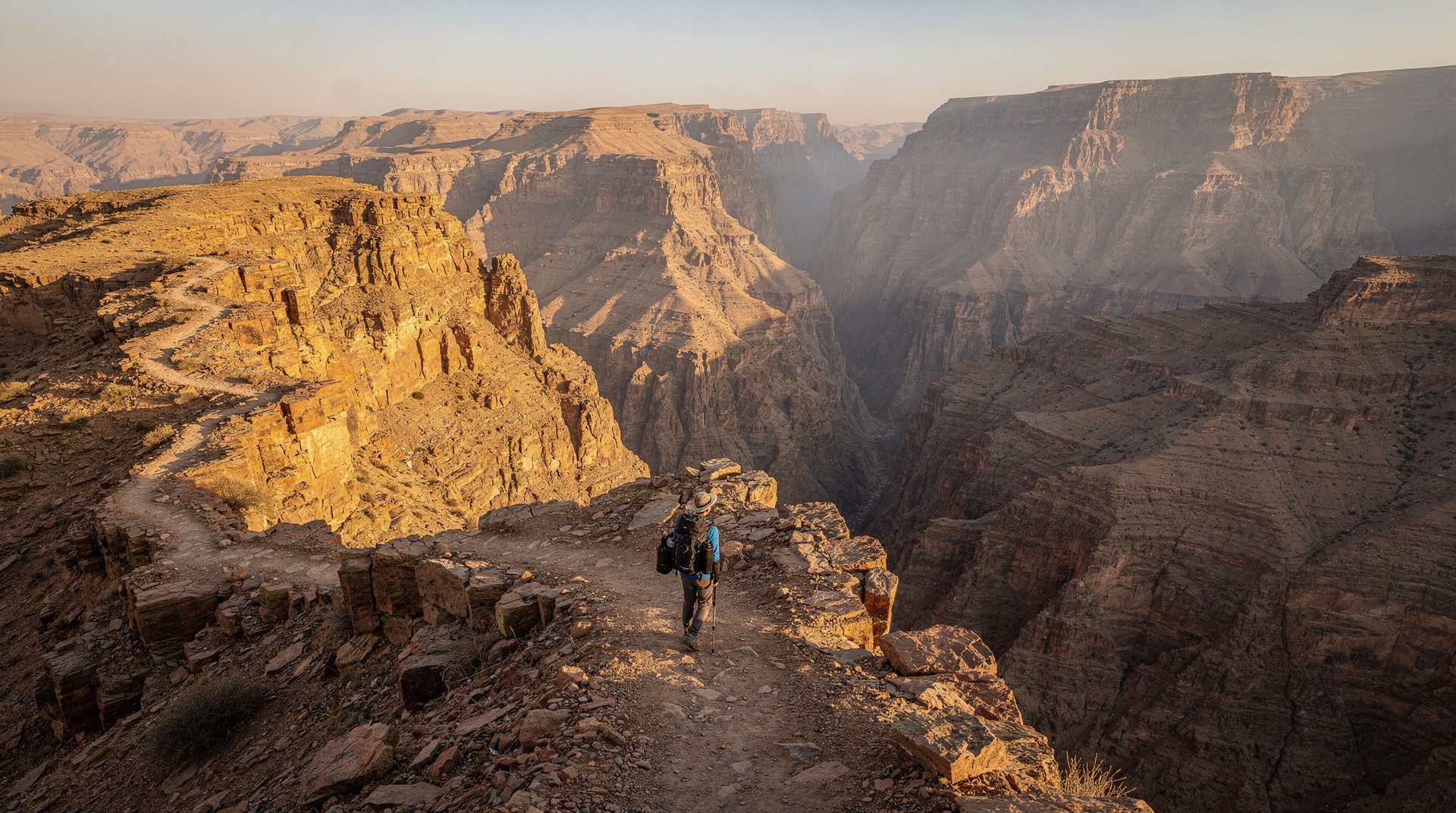
The most famous viewpoint on Jebel Akhdar is Diana’s Point, named after Princess Diana who visited in 1986. The lookout sits above a sheer cliff dropping into a wadi system far below. At sunrise and sunset the light on the canyon walls is extraordinary. A small cafe nearby serves karak tea and basic snacks.
Al Ayn
One of the most picturesque villages on the plateau, Al Ayn is built along a ridge with traditional stone houses and working rose terraces on the slopes below. The main path through the village takes about 30 minutes to walk end to end. Local residents are generally welcoming, though photography of people should always be done respectfully and with permission.
As Sah and Ash Sharayjah
These two villages sit slightly lower on the mountain and are surrounded by some of the most productive rose and pomegranate terraces. The ancient falaj irrigation channels between the villages are a UNESCO-recognised system that is still fully operational.
Birkat al Mauz
At the foot of the mountain, this ancient village has a remarkable ruined fort and some of the oldest falaj channels in Oman. It makes an excellent starting point or ending point for a visit to the mountain.
Hiking on Jebel Akhdar
Unlike Jebel Shams, Jebel Akhdar’s hiking trails wind through inhabited agricultural land rather than wild canyon terrain. The paths between villages follow ancient routes used by farmers for generations, passing through orchards, past falaj channels, and across terraced hillsides.
Village to Village Trail (W4)
The most popular hiking route on Jebel Akhdar connects several villages across a distance of approximately 8 km. The path passes through Al Ayn, As Sah, Ash Sharayjah and several smaller hamlets. The route is relatively flat by mountain standards — most of the elevation change comes in the final descent or ascent from the plateau rim. Expect 3-4 hours for the full route.
Rim Walk
A shorter option for those with limited time, the Rim Walk follows the plateau edge between two viewpoints above the main canyon. The views are among the best on the mountain and the path is well-maintained. Distance is around 3-4 km one way. This trail is accessible to almost all fitness levels and gives a clear sense of the mountain’s scale.
Wadi descent routes
More experienced hikers can arrange guided descents into the wadis below the plateau. These require ropes and proper mountain footwear and should not be attempted without a qualified guide. Ask at your accommodation for current conditions and guide recommendations.
Getting to Jebel Akhdar
The military checkpoint
This is the critical detail that catches many visitors by surprise: access to Jebel Akhdar above a certain altitude is restricted to 4WD vehicles. There is a military checkpoint on the ascent road, and guards will turn away standard 2WD cars regardless of what map applications tell you. This rule is strictly enforced.
If you are driving independently, you must rent a 4WD or SUV. The road itself is paved and not technically difficult once you have 4WD capability, but the gradient is steep and the weight and traction of a proper 4x4 are genuinely needed.
From Muscat: Take the Nizwa highway, then follow signs toward Al Hamra and Jebel Akhdar. The drive is approximately 2 hours 30 minutes to the plateau.
From Nizwa: The base of the Jebel Akhdar ascent is about 30 minutes from Nizwa Fort. Nizwa makes a practical base if you want to combine Jebel Akhdar with a visit to the old city souq.
Guided day trips
For visitors without a 4WD rental, guided day trips solve the transport problem entirely. The Jebel Akhdar Green Mountain Tour from Muscat includes 4WD transport, a guide, and a full day on the plateau visiting villages, viewpoints and rose distilleries. Cost: from around 45 OMR per person.
A longer option that combines Jebel Akhdar with Nizwa is the adventure day trip to Nizwa and Jebel Akhdar from Muscat, covering the famous Nizwa Fort and souq in the morning before heading into the mountains for the afternoon.
Best Time to Visit
March and April are the peak months, coinciding with the rose harvest and pleasantly mild temperatures. The plateau feels alive with activity and the agricultural terraces are at their most lush.
October to February is excellent for hiking. Temperatures range from 5°C to 18°C on the plateau, making long walks extremely comfortable. Views are clear and the light is sharp.
November brings pomegranate harvest season — another colourful and atmospheric time to visit.
July and August — even during the brutal Omani summer, Jebel Akhdar stays cooler than the lowlands. Daytime temperatures reach 25-28°C rather than 40°C+ on the coast. The mountain becomes a refuge for Omani families during school holidays, and accommodation fills up. Book well in advance.
Where to Stay
Alila Jabal Akhdar
This is one of the finest hotels in Oman. The resort sits on a cliff edge above the canyon with an infinity pool that appears to float over the abyss. Rooms and suites start around 150 OMR per night, rising sharply during peak season. Even if you are not staying here, the lobby bar is accessible for drinks and the view justifies the price of a coffee.
Sahab Hotel
A more affordable option on the plateau, Sahab offers clean and comfortable rooms from around 55 OMR. The restaurant serves reliable Omani food and the staff are helpful with trail information.
Camping
Free camping is permitted in designated areas. Several flat areas near the plateau rim offer sunrise views over the canyon. Temperatures drop significantly at night — below 10°C from November to February — so a proper sleeping bag is essential.
What to Buy in Jebel Akhdar
The mountain produces some of Oman’s most distinctive artisan products:
Rose water — sold in small bottles from 2-5 OMR. The best quality comes from family distilleries visited during the April harvest. Supermarket versions are significantly cheaper but lack the same concentration.
Rose jam — a distinctive pink jam made from Damask rose petals. Jars typically sell for 3-8 OMR depending on size.
Pomegranate molasses — a thick, dark syrup used in Omani cooking. Local production is limited and it sells out quickly during harvest season.
Dried fruits — apricots, figs and raisins from the mountain orchards are sold loose at village markets.
The Falaj Irrigation System: Engineering Ancient and Modern
The agricultural terraces of Jebel Akhdar depend entirely on the aflaj (singular: falaj) — gravity-fed water channels that carry spring water from the mountain to the terraced gardens below. These channels were hand-carved into rock or built from stone by communities that had no mechanical tools, no concrete, and no GPS. The result is an engineering system of extraordinary precision: channels that maintain a perfectly calibrated gradient across kilometres of uneven mountain terrain, delivering water to every terrace in a carefully managed rotation system.
The Jebel Akhdar falaj system was designated part of Oman’s UNESCO World Heritage aflaj in 2006, joining four other representative examples across the country. The system is not a museum exhibit — it is fully operational. Farmers still take water according to a time-sharing agreement that determines which plot receives irrigation and for how long. The allocation of water time (traditionally measured by shadow length or star position before the clock era) remains a community-managed process with designated officials responsible for maintaining the channels and resolving disputes.
Walking along the falaj channels between the villages of As Sah and Ash Sharayjah is one of the most quietly remarkable experiences on Jebel Akhdar. The sound of running water in the dry mountain landscape has a quality that goes beyond the merely pleasant — in a place that receives very little rainfall, the sound of a continuously flowing channel is genuinely affecting. Pomegranate trees overhang the channels. Small birds use them as drinking stations. The channels are so integrated into the landscape that it takes a moment to recognise you are looking at human construction rather than a natural stream.
Food and Local Products
The microclimate and altitude of Jebel Akhdar produce agricultural products with a distinctive character that cannot be replicated at lower elevations. The cooler temperatures, higher humidity (relatively speaking), and the ancient soil of the terraced plots create growing conditions entirely different from coastal Oman.
Damask Roses (Rosa damascena): The defining product of the mountain. The Jebel Akhdar rose harvest runs for 2-3 weeks in April. Families rise at 4am to pick blooms in the coolest part of the day — the petals must be harvested before the sun warms them and reduces their oil content. One kilogram of petals produces only a few millilitres of rose oil, explaining why genuine Omani rose oil commands extraordinary prices.
Rose water is the more accessible product. Sold in small glass bottles at roadside stalls during April, and year-round in the village cooperatives, it ranges in quality from tourist-grade diluted versions (2-3 OMR) to concentrated family-distillery product (8-15 OMR for 250ml) that perfumes food, hands, and rooms with astonishing intensity.
Pomegranates: The harvest in November produces fruit with a complexity of flavour quite different from imported supermarket pomegranates. Local varieties grown at altitude develop more tannin and acidity, making the juice tart and complex rather than purely sweet. Pomegranate molasses — a thick syrup reduced from fresh juice — is used in Omani mountain cooking and makes an exceptional edible souvenir.
Walnuts: Less famous than the roses but equally distinctive, Jebel Akhdar walnuts are harvested in October. The fresh kernels have a creaminess that the dried versions sold elsewhere cannot match. Local families crack and sell them at roadside stalls through October and into November.
Honey: Mountain honey from Jebel Akhdar bees, foraging on the diverse flora of the terraces and wild mountain plants, has a complex floral character. Local beekeepers sell honey in small jars at village stalls. Expect to pay 10-20 OMR for a quality jar — genuinely produced mountain honey is not cheap anywhere.
A Walk Through the Rose Distillation Process
During April’s harvest season, several family distilleries in the plateau villages welcome visitors to watch the rose water production process. The method is essentially unchanged from the technique used centuries ago, though some families have added small improvements in efficiency.
Fresh-picked petals are loaded into a copper still — a traditional alembic with a rounded base and a long curved neck leading to a condensing coil. Water is added and the still is heated over a wood or gas fire. Steam carries the volatile rose oil compounds up through the neck, through the coil where cooling water condenses the steam back into liquid, and into a collection vessel at the end.
The resulting liquid — rose water — is clear with a concentrated floral scent. A small amount of true rose oil (attar of roses) floats on the surface and can be separated for use in perfumery. The volume of oil produced is tiny — a fraction of a percentage of the total liquid. The rose water itself is the main product.
Watching this process in a simple village kitchen, with the surrounding terraces full of pink blooms being picked at dawn, connects directly to a tradition that has continued in these mountains for at least five centuries. It is one of those experiences where the specific knowledge of what you are observing transforms a pleasant visit into something genuinely memorable.
Combining Jebel Akhdar With Other Sites
Jebel Akhdar fits naturally into a wider Al Dakhiliyah region itinerary. From the plateau, you are well-positioned to visit:
- Jebel Shams and the Balcony Walk — about 90 minutes from the Jebel Akhdar plateau. The two mountains make a logical two-day mountain circuit.
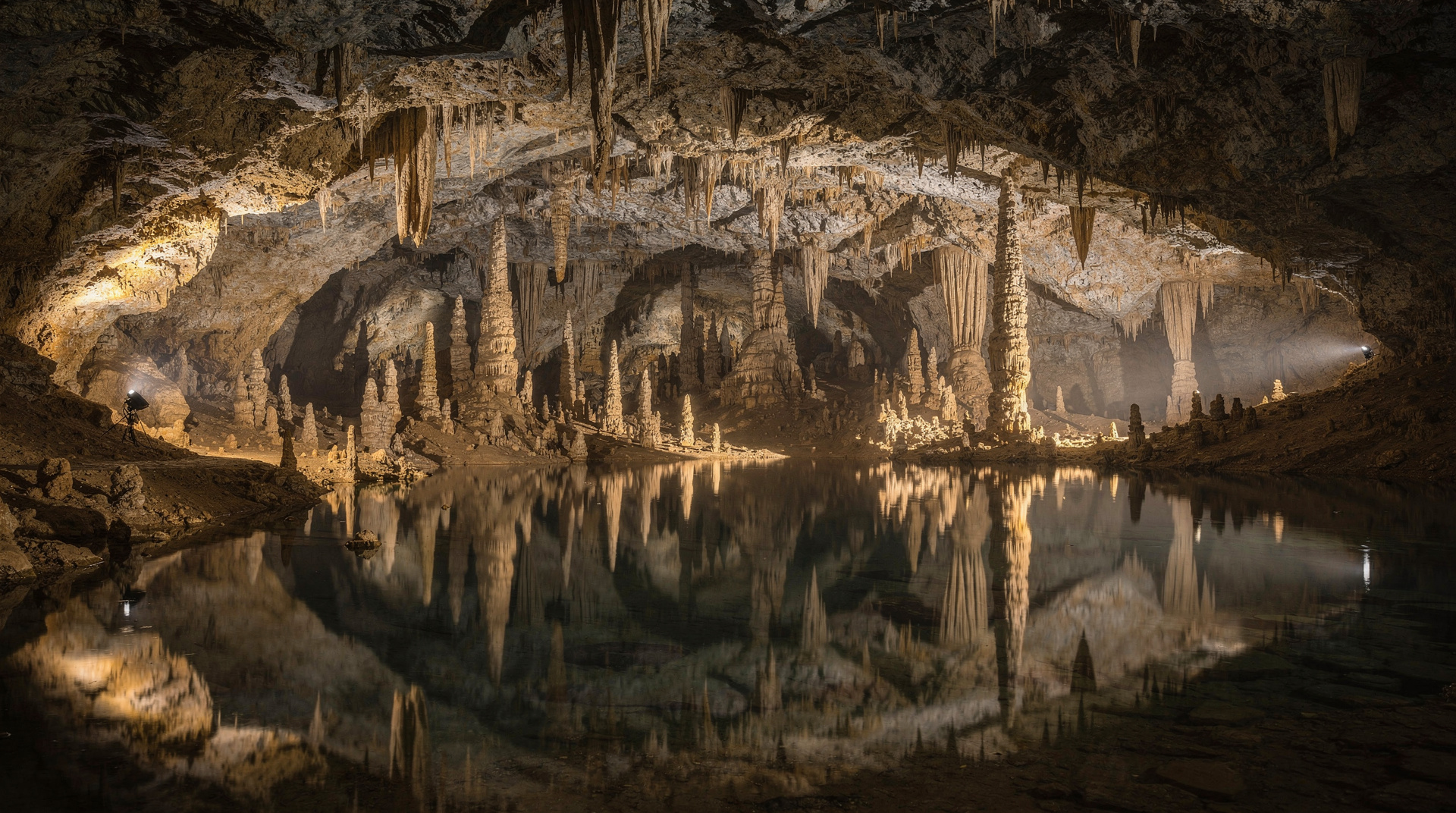
- Al Hoota Cave — located at the base of Jebel Shams, a dramatic limestone cave system with a lake containing blind fish.
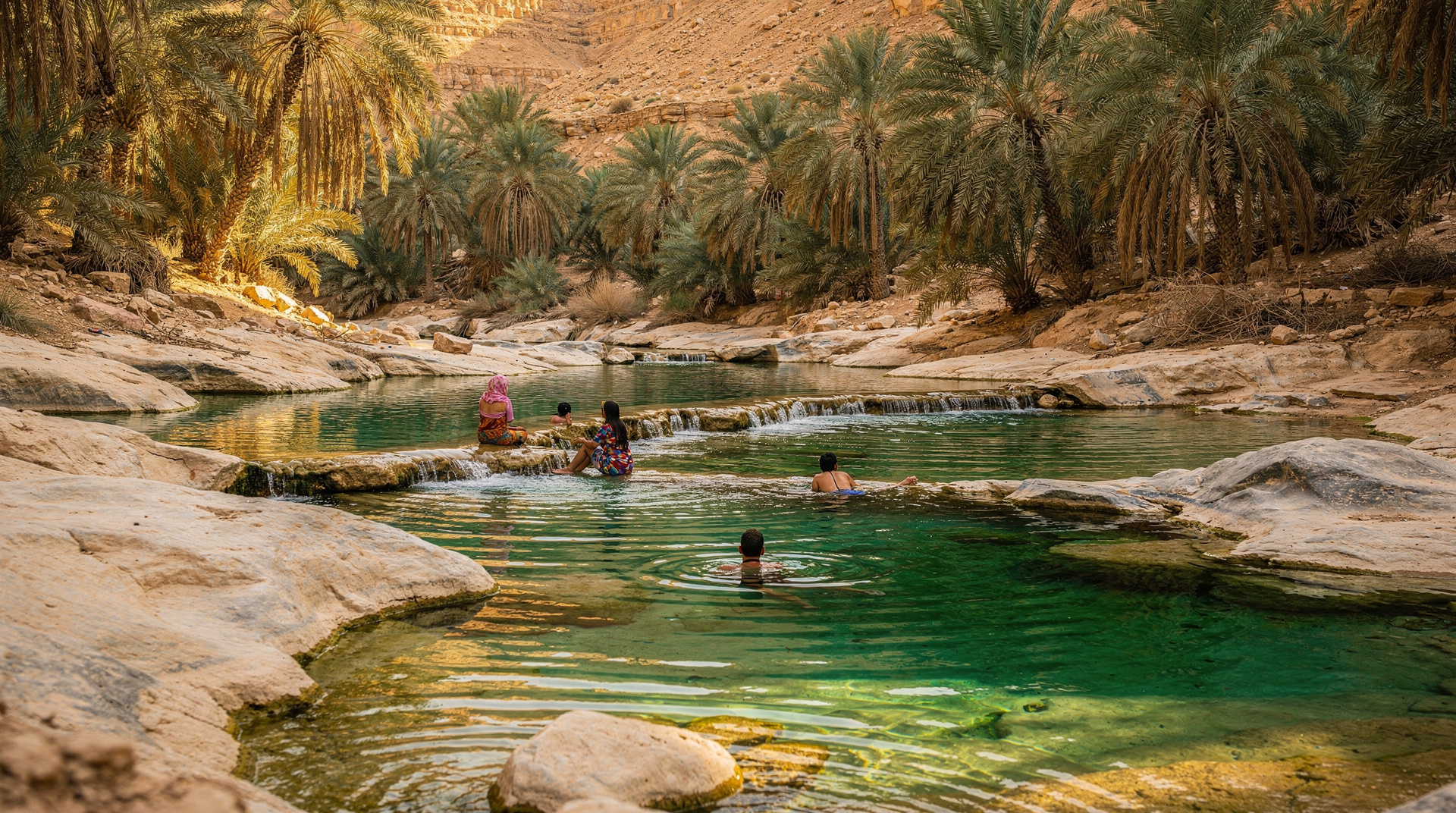
- Wadi Bani Khalid — the most reliably watered wadi in Oman, about 2 hours east.
For context on Oman’s broader landscapes beyond mountains, the Wadi Shab hiking guide and Wadi Tiwi offer excellent contrast with the coastal mountain wadis of the Eastern Hajar range.
If you are planning a wider inland circuit, combining Jebel Akhdar with Jebel Shams and then heading east to Wadi Bani Khalid covers the three most compelling inland destinations in a logical three-day loop. A night at the Bimmah Sinkhole area on the coast completes the journey back to Muscat. For a more active hiking addition, the Jebel Harim mountain safari in the north offers Oman’s most dramatic mountain-to-sea views.
Planning Your Al Dakhiliyah Mountain Circuit
Jebel Akhdar sits at the centre of a region rich enough to justify 3-4 days of exploration. The most logical circuit from Muscat:
Day 1: Drive to Nizwa (2 hours). Morning at Nizwa Fort and Souq. Afternoon drive to Jebel Akhdar plateau. Sunset walk along the village trail. Overnight on the mountain.
Day 2: Sunrise at Diana’s Point. Village trail walk through As Sah and Ash Sharayjah (morning). Afternoon drive to Al Hoota Cave at the base of Jebel Shams — visit the underground lake and blind fish. Overnight in Al Hamra or at the cave-side Sama resort.
Day 3: Early morning drive up to Jebel Shams for sunrise on the canyon rim. Complete the Balcony Walk hike (4 hours). Afternoon at Misfat al Abriyeen village. Return to Muscat by evening.
This three-day circuit covers the two great Omani mountains, the most spectacular cave system in the country, and several of the finest traditional villages — a comprehensive introduction to inland Oman’s extraordinary landscape and heritage.
Practical Tips
- Fuel up before ascending — there are no petrol stations on the plateau. The nearest are in Birkat al Mauz at the mountain’s base.
- The plateau has limited ATMs. Carry cash for any village purchases.
- Dress modestly in villages. Shoulders and knees should be covered out of respect for local customs.
- Wi-Fi at hotels is generally reliable. Mobile data on Omantel or Ooredoo networks works on most of the plateau but drops in some canyon areas.
- Photography of military installations is prohibited. The checkpoint area is off-limits to cameras.
- Most village paths are accessible without a guide. However, for canyon rim walks or wadi descents, hiring a local guide is strongly recommended.
Frequently asked questions about Jebel Akhdar: Complete Guide to Oman’s Green Mountain
Is Jebel Akhdar worth visiting outside rose season?
Absolutely. The terraced villages, canyon views, falaj irrigation channels, and mountain air are exceptional year-round. Rose season adds a spectacular and aromatic bonus, but the mountain is worth visiting in any month.
Do I need a 4WD to visit Jebel Akhdar?
Yes, without exception. The military checkpoint on the access road will turn away standard cars. If you are renting a vehicle in Muscat, ensure it is a proper 4WD or high-clearance SUV. Most car rental agencies in Oman clearly label which vehicles are 4WD-capable.
How long does a visit to Jebel Akhdar take?
A day trip from Muscat gives you 5-6 hours on the plateau — enough to visit Diana’s Point, walk the village path, and see a rose distillery in April. Staying one or two nights allows you to hike the longer village trails and experience the mountain at dawn and dusk, which are visually the best times.
What is the temperature like on Jebel Akhdar?
Expect temperatures roughly 10-15°C cooler than Muscat. In January, nights can drop to 4-6°C. In July, daytime temperatures reach 25-28°C — dramatically cooler than the 40°C+ of the lowlands. Always bring a layer regardless of the time of year.
Are there restaurants on the mountain?
Yes. The major hotels have restaurants open to non-guests. Several small local cafes in the villages serve karak tea, fresh bread, and simple Omani dishes. The Alila Jabal Akhdar restaurant has excellent food but at hotel prices (expect 12-20 OMR for a main course). Village cafes charge 2-4 OMR for a full meal.
Can I photograph in the villages?
You may photograph landscapes freely. When photographing local residents — particularly women — always ask permission first and respect a refusal. In practice, local men are generally open to being photographed; the cultural expectation around photographing women is more conservative. Children are usually photographed only with a parent’s consent.
How do falaj systems work?
Falaj (plural: aflaj) are ancient gravity-fed irrigation channels carved into rock or built from stone that carry water from mountain springs to agricultural terraces. Jebel Akhdar’s falaj system has been in continuous operation for over a thousand years and was designated a UNESCO World Heritage Site in 2006. The channels operate without any mechanical pumping — pure engineering using natural gravity and gradient.