Jebel Shams Balcony Walk: Oman's Grand Canyon Hike Guide
How hard is the Jebel Shams Balcony Walk?
The Balcony Walk (W6 trail) is a moderate 9 km round-trip hike with some exposed sections. It takes 3-4 hours and requires basic fitness. No technical climbing skills are needed, though sturdy shoes are essential.
Standing on the Edge of Arabia’s Deepest Canyon
Few landscapes in the Arabian Peninsula stop you in your tracks the way Jebel Shams does. Rising to 3,009 metres above sea level, it is the highest peak in Oman and home to Wadi Ghul — a gorge so vast and dramatic that travellers consistently call it the Grand Canyon of Arabia. The Balcony Walk trail, officially labelled W6, carves along the canyon rim and descends into a ruined village that time has largely forgotten, delivering views that no photograph can fully capture.
This guide covers everything you need to plan your hike: the full trail breakdown, how to get there independently, the best guided day trips from Muscat and Nizwa, what to pack, where to sleep nearby, and the honest truth about difficulty and conditions.
Why the Balcony Walk Earns Its Reputation
The trail begins at the tourist viewpoint at the top of Jebel Shams, roughly 2,800 metres above sea level. Right from the first steps you are walking along the rim of Wadi Ghul, and the drop is immediate and awe-inspiring. The canyon plunges around 1,000 metres below you, with sheer terracotta walls that glow amber and rust in the morning light.
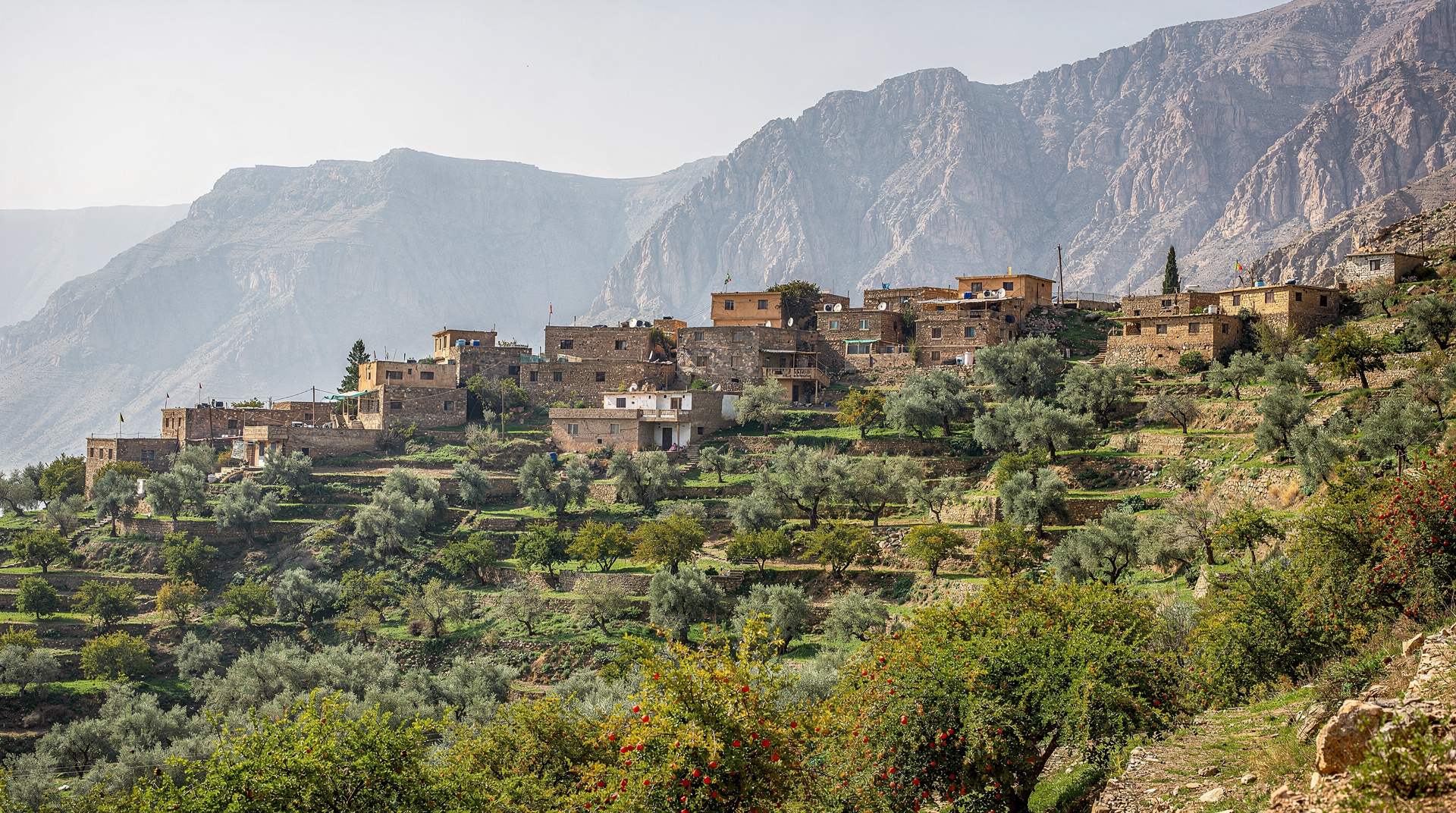
What makes this trail special beyond the views is the human history woven into the rock. About halfway along, the path drops down to the abandoned village of Sab Bani Khamis, a settlement of stone houses clinging to the canyon wall. The residents left in the 1980s when the government built roads and offered modern housing on the plateau. Walking through the ruins gives a powerful sense of how people survived in seemingly impossible mountain terrain for generations.
The route eventually loops back through a series of switchbacks and rocky descents, always with the canyon beside you. Erosion, ancient terracing, and the carved channels the former villagers used to direct rainwater are all visible if you look carefully.
Trail Details: W6 Balcony Walk
Distance: 9 km round-trip (some maps show 7-9 km depending on how far you descend into the village)
Elevation change: Around 400 metres of descent and re-ascent
Duration: 3 to 4 hours at a comfortable pace
Difficulty: Moderate — the path is mostly clear and well-worn but includes exposed ledges and rocky scrambles. Some sections have a drop of several hundred metres with no barrier. Children and those uncomfortable with heights should take care.
Trailhead: The W6 trailhead begins at the main viewpoint car park at the top of Jebel Shams. GPS coordinates: approximately 23.234°N, 57.159°E.
Trail markers: Orange and white paint markers on rocks guide the route. The first kilometre is obvious. After descending toward the village, follow markers carefully on the return as the terrain can be confusing.
Water: No water sources on the trail. Carry at least 2 litres per person, more in summer.
Mobile signal: Weak to non-existent along most of the route.
The Via Ferrata Option
For those wanting more challenge, Jebel Shams also offers a via ferrata route — a protected climbing path with iron rungs, cables, and ladders fixed into the rock face. This is run by Oman Tourism and costs around 25 OMR per person. You will need a harness and helmet, which are provided. The via ferrata descends deep into Wadi Ghul and involves several hundred metres of exposed vertical climbing. It is genuinely demanding and recommended only for people with a head for heights and reasonable physical fitness.
If you want to combine the Balcony Walk with the via ferrata, several guided tours from Nizwa offer exactly this package. The Nizwa to Jebel Shams Balcony Walk and Via Ferrata adventure is the most complete option, handling all equipment and permits so you can focus on the climbing itself.
For visitors travelling from the Al Hamra area, the Grand Canyon of Oman — Jebel Shams tour from Al Hamra provides a well-guided introduction to both the canyon viewpoints and the Balcony Walk, departing from the historical town at the base of the mountain.
Getting to Jebel Shams
By car from Muscat
The drive from Muscat to the Jebel Shams summit takes approximately 3 hours. Take the main highway toward Nizwa, then follow signs to Al Hamra and Misfat al Abriyeen. From Al Hamra, a mountain road winds up to the summit plateau. The upper section of this road requires a 4WD vehicle — the gradient and gravel surface are not suitable for standard cars. Budget cars and sedans regularly get stuck on the final ascent.
Parking at the top costs 2 OMR per vehicle. There are basic toilet facilities and a few small cafes selling tea and simple food near the viewpoint.
By organised day trip
Most visitors combine Jebel Shams with other Al Dakhiliyah region highlights such as Nizwa Fort, Misfat al Abriyeen village, or the Jebel Akhdar terraces. A full day trip from Muscat — including transport, a guide, and the Balcony Walk — typically costs between 35 and 65 OMR per person depending on group size and what is included.
The day trip from Muscat to Jebel Shams is one of the most popular guided excursions in Oman. It includes hotel pickup, a 4WD drive up the mountain, time on the Balcony Walk, and return to Muscat by evening — arriving around 10 hours after departure.
Best Time to Hike
October to April is the prime hiking season. Temperatures at altitude range from 5°C to 22°C, making walking extremely comfortable. January and February mornings can be cold enough to see frost on the rocks, so bring a warm layer even if it is warm in Muscat when you leave.
May to September brings fierce heat to the lower mountains, though the summit at 2,800+ metres stays cooler than the coast. Temperatures at the top peak around 28-32°C in July. The hike remains doable in summer if you start before 7am, but it is significantly less pleasant. Hydration becomes critical.
The golden hour for photography is the two hours after sunrise. The low-angle light turns the canyon walls deep amber, and the shadow play across the ridges is extraordinary. Arriving before 7am means you will likely have the trail to yourself before tour groups arrive around 9-10am.
Where to Stay Near Jebel Shams
Jebel Shams Resort — A cluster of stone cottages perched on the canyon rim, offering the most dramatic views in Oman. Rates start around 75 OMR per night for a double room. Booking well in advance is essential, especially for weekends and public holidays.
Sama Jebel Shams Ecolodge — Simple, comfortable accommodation about 2 km from the main viewpoint. Rates from 55 OMR. Basic restaurant on-site.
Camping — Free camping is permitted in designated areas near the summit. The nights are cold (below 10°C from November to February) but the stars above the canyon are genuinely exceptional. Bring a proper sleeping bag rated for near-freezing temperatures.
Nizwa — The nearest town with a full range of hotels, restaurants and services is about 90 minutes’ drive down the mountain. Staying in Nizwa and doing an early morning drive up is a practical and cheaper option.
What to Pack
The altitude and exposure on this trail demand more preparation than a typical coastal walk. Essential items include:
- Hiking shoes or trail runners with good grip (not sandals)
- At least 2 litres of water per person
- Sunscreen and a wide-brimmed hat
- Layers — a fleece or light jacket even in spring
- Snacks and lunch (no food sellers on the trail)
- Fully charged phone for navigation and emergency
- Small first aid kit
- Trekking poles if you have knee concerns
Combining With Other Destinations
Jebel Shams sits within easy reach of several other extraordinary sites. The medieval city of Nizwa with its famous fort and traditional souq is about 90 minutes away and worth a half-day exploration. The mountain village of Misfat al Abriyeen, famous for its date palm gardens and traditional falaj irrigation, is just 30 minutes from Al Hamra at the base of Jebel Shams.
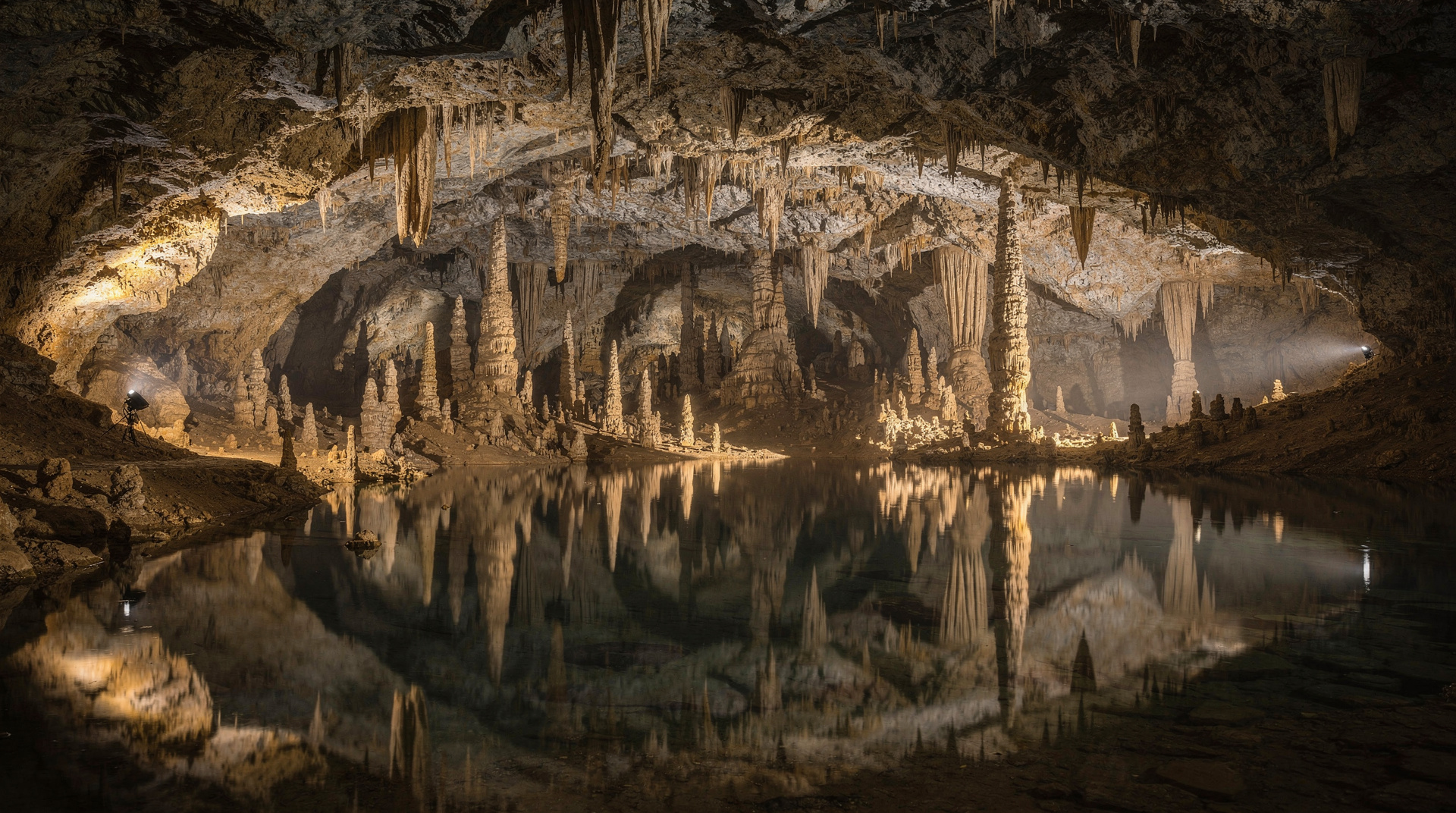
For those interested in caving, the Al Hoota Cave near Nizwa offers a remarkable underground world with blind fish and ancient stalactite formations. The Jebel Akhdar plateau, with its rose gardens and cooler microclimate, is another mountain destination that pairs beautifully with Jebel Shams.
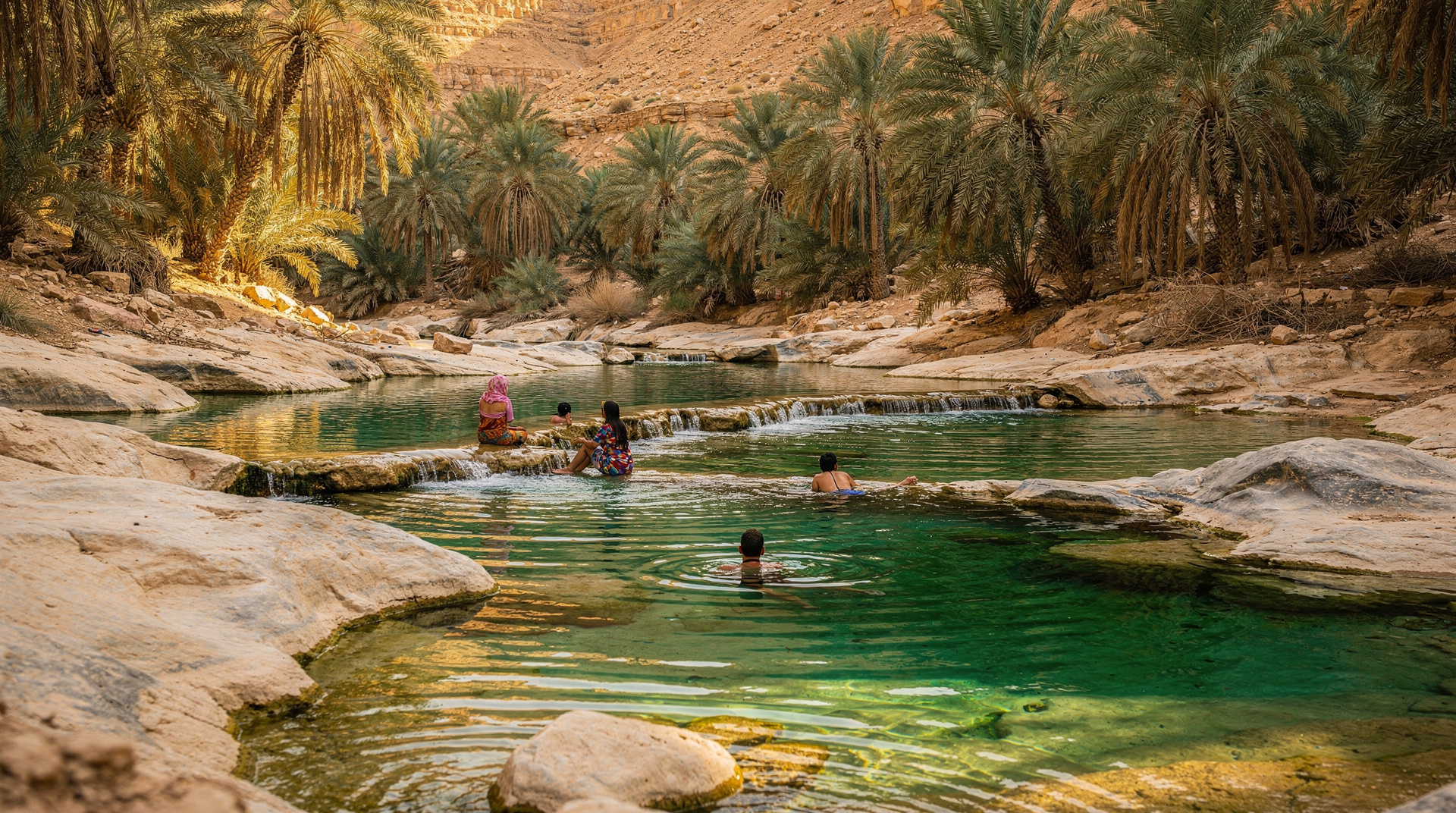
You can also pair your mountain adventures with desert and wadi exploration. The Wadi Bani Khalid natural pools are about 2.5 hours east of Jebel Shams, making for a diverse two-day circuit.
For coastal wadi adventures that contrast with the arid canyon scenery of Jebel Shams, the Wadi Shab hiking guide covers the most spectacular swim-through canyon in eastern Oman. The Wadi Tiwi guide covers the quieter canyon alternative nearby.
The Wadi Bani Khalid year-round oasis pairs naturally with a night in the Wahiba Sands desert for travellers building a broader inland circuit. If you are interested in another cave experience, the Bimmah Sinkhole is a quick and visually dramatic stop on the coastal road. The Jebel Harim mountain safari in Musandam offers a very different mountain experience — the extreme north of Oman where mountains meet the Strait of Hormuz.
Safety and Regulations
The Balcony Walk sits within the Jebel Shams protected area. There is no entry fee for the trail itself, but driving to the top requires a 4WD. Rangers are occasionally present at the viewpoint but the trail itself is unguarded.
Key safety points:
- Never attempt the trail in wet weather. Rain makes the limestone and clay paths dangerously slippery and the canyon edges become genuinely hazardous.
- Stay well back from cliff edges, especially at unmarked viewpoints away from the main trail.
- Tell someone your plans and estimated return time before setting off.
- The mobile network is unreliable — do not rely on Google Maps for navigation once on the trail. Download offline maps or carry a printed trail description.
- Rescue operations in this remote location are extremely slow and difficult. Self-sufficiency is essential.
Planning a Jebel Shams Overnight Trip
The quality of a Jebel Shams visit increases dramatically if you can stay at least one night on the mountain. The canyon at sunrise and sunset is a different experience from the same landscape at midday, and having an evening free to walk the rim without time pressure allows a much more contemplative encounter with the landscape.
A practical two-day structure from Muscat:
Day 1: Drive from Muscat. Stop at Al Hoota Cave near Al Hamra (2 hours including tour). Drive up to Jebel Shams summit. Afternoon walk along the canyon rim viewpoints. Sunset from the resort terrace. Overnight at Jebel Shams Resort or camp.
Day 2: Sunrise at the canyon. Complete the Balcony Walk (3-4 hours). Drive down and visit the village of Misfat al Abriyeen (1-2 hours). Continue to Jebel Akhdar for the afternoon if time allows. Return to Muscat via Nizwa.
Alternatively, those interested in a broader inland circuit can combine Jebel Shams with a night in Nizwa (for the Fort and Friday morning goat market), a visit to Al Hoota Cave, and then the Jebel Akhdar plateau as a three-day mountain experience without retracing any significant ground.
The Geology of Wadi Ghul
Understanding what you are looking at on the Balcony Walk enriches the experience considerably. The canyon you are walking above — Wadi Ghul — was carved over millions of years by periodic flash floods through the Al Hajar limestone. This limestone was originally deposited as marine sediment on the floor of the ancient Tethys Ocean, then uplifted by the collision of the Arabian and Eurasian tectonic plates to form the Al Hajar range.
The canyon walls display a spectacular cross-section of this geological history. Different layers represent different periods of ocean sediment deposition, each with its own colour and texture. The pale cream layers near the top of the canyon are younger Cretaceous limestone. The darker, more compressed layers near the base represent older, deeper-water sediments subjected to greater pressure over longer periods.
The rock surface itself, where the path runs close to the canyon wall, shows signs of the natural weathering process still underway. Limestone is slightly soluble in rainwater, and over millennia the surface has been carved and pitted into extraordinary sculptural forms. The handholds and footholds worn into the rock by generations of local farmers and herders are visible alongside purely natural weathering — the two forms of rock shaping running together seamlessly.
The Abandoned Village of Sab Bani Khamis
The halfway point of the Balcony Walk brings you down into the ruins of Sab Bani Khamis, one of the most evocative abandoned settlements in Oman. The village was inhabited until the early 1980s when the Omani government’s modernisation programme — one of Sultan Qaboos bin Said’s most transformative social initiatives — offered mountain communities access to roads, electricity, schools and healthcare if they relocated to the plateau above.
Most families accepted. The village was left intact but without inhabitants, its stone houses gradually reclaiming themselves into the canyon wall. Walking through the ruins today, you see the remarkably sophisticated construction of homes built to last in an environment of extreme temperature swings and occasional flash flooding. Door frames are carved stone. Storage chambers are built into the living rock. The falaj channel that once carried water to the village from a spring further up the canyon is still visible, though dry.
Perhaps most striking is the position of the village itself — built on a narrow ledge that juts from the canyon wall, accessible only by the path you have just walked. The inhabitants of this place lived their daily lives at an elevation that would challenge modern recreational hikers. Children grew up playing on paths where a misstep meant a fall of hundreds of metres. The psychological adaptation required simply to inhabit this environment is difficult to comprehend.
The village ruins are at their most atmospheric in the morning, when the canyon walls are in shadow and the only light reaches the settlement through a narrow gap in the rock overhead. Photography here rewards patience — wait for the shifting light to illuminate the ruins at different angles over twenty or thirty minutes.
Sunrise and Sunset on the Canyon
If your schedule allows any flexibility, experiencing the canyon at either dawn or dusk changes the encounter completely. The high walls of Wadi Ghul channel and concentrate the light at low sun angles in ways that simply do not occur at midday.
Sunrise: The canyon fills with light from the east approximately thirty minutes after the sun clears the horizon. The western wall catches the light first, turning from grey to pale gold to deep amber over about forty minutes. The eastern wall remains in blue shadow during this period. By 7:30am the full canyon is lit and the colour show is over. Get to the viewpoint by 6:00am at the latest.
Sunset: The sequence reverses — the eastern wall lights up first as the sun drops toward the west. The colours intensify through the afternoon until the moment the sun drops below the western rim, at which point the canyon floor falls into deep shadow while the upper walls remain brilliant orange for another fifteen minutes.
The Jebel Shams Resort offers canyon-view rooms that are specifically positioned to capture this light. Even if you are not staying there, the resort’s public terrace can be used by non-guests visiting the on-site cafe.
Guided Tours: Comparing Your Options
From Muscat (3-hour drive each way): The Jebel Shams Grand Canyon day trip from Muscat makes sense for travellers based in the capital who want a fully organised experience. Expect a 12-hour day. Price: from around 40 OMR per person.
From Nizwa (1.5-hour drive): Starting from Nizwa drastically reduces travel time and lets you spend more time on the mountain. The Nizwa to Jebel Shams with Balcony Walk and Via Ferrata tour is ideal for active travellers who want to do both the hiking trail and the via ferrata on the same day.
Self-drive: If you have a 4WD rental and confidence on mountain roads, driving independently gives you the most flexibility — arrive at sunrise, linger as long as you want, and explore the secondary viewpoints off the main trail.
Frequently asked questions about Jebel Shams Balcony Walk: Oman’s Grand Canyon Hike Guide
Do I need a guide for the Balcony Walk?
No. The W6 trail is clearly marked with orange and white paint markers and is well-established enough that independent hikers manage it without a guide regularly. However, a guide adds significant value for those unfamiliar with desert mountain navigation, and some guided tours include 4WD transport from the highway — essential if your rental is a standard saloon car.
Is the Balcony Walk suitable for children?
Older children (10 and above) who are comfortable hiking and have no fear of heights can manage the trail with careful adult supervision. The exposed edges along the canyon rim are unprotected, so young children should be kept close at all times. The trail is not appropriate for toddlers or prams.
Can I hike Jebel Shams in summer?
Technically yes. The summit elevation keeps temperatures 10-15 degrees cooler than Muscat in summer, so July temperatures at the trailhead are typically 28-32°C rather than 40°C at the coast. Start before 7am, carry abundant water, and be prepared to turn back if heat becomes overwhelming. The trail is significantly less crowded in summer.
How far is Jebel Shams from Muscat?
The drive is approximately 230 km and takes around 3 hours each way. Combined with 3-4 hours for the hike and breaks, a day trip is a long day. Staying overnight at one of the canyon-rim lodges is strongly recommended if your schedule allows.
What is the difference between W6 and other Jebel Shams trails?
Jebel Shams has several marked trails. W6 (the Balcony Walk) is the most famous and most accessible for general hikers. W4 and W5 are longer, more demanding routes that descend further into the canyon and are recommended only for experienced mountain hikers. Trail maps are available at the tourist viewpoint and from the resort.
Is there an entrance fee for Jebel Shams?
There is a 2 OMR parking fee at the summit viewpoint. The trails themselves have no additional entry charge. The via ferrata requires a separate booking and costs around 25 OMR including equipment rental.
What should I do if I get lost on the trail?
Stay calm and stop moving. The paint markers are visible if you look carefully on rocks and boulders. Backtrack to the last marker you saw and reassess. If genuinely lost, call 9999 (Oman emergency services). Battery life and signal are limited in the canyon, so conserve your phone from the moment you notice you are off-route.
Can I see the canyon from the road without hiking?
Yes. The main viewpoint at the top of Jebel Shams offers dramatic canyon views without any hiking required. The lookout area has benches, basic facilities and a clear view down into Wadi Ghul. Many visitors — especially those on organised day trips — spend 30-60 minutes at this viewpoint and opt not to hike the full Balcony Walk.