Complete Oman Packing Checklist: Season by Season
Pack Right for the Country You Are Actually Visiting
Packing for Oman is one of those tasks that benefits enormously from specific knowledge. Generic “Middle East” packing advice does not capture the reality: that Jebel Akhdar can drop to 4°C in January while Muscat hits 26°C the same day; that wadi hiking requires different gear to Wahiba Sands camping; that the Khareef monsoon in Salalah is fundamentally unlike any other weather in the country.
This checklist is organised by season and activity type, so you can build your packing list from the sections that match your actual itinerary rather than preparing for everything at once.
Universal Essentials: Every Visitor, Every Season
Before getting to the season-specific items, some things belong in every Oman suitcase regardless of when you travel or what you plan to do.
Documents and Administration
Passport valid for at least six months beyond your entry date. Oman visa — currently available as an e-visa for most nationalities through the Royal Oman Police portal. Printouts of accommodation confirmations, tour bookings, and car rental agreements. International driving permit if you plan to rent a vehicle. Travel insurance documentation with emergency contact numbers accessible offline.
Photograph your passport, visa, driving licence, and insurance documents. Store copies in cloud storage and email them to yourself for easy access if originals are lost.
Money
Omani Rial (OMR) in cash — not all merchants accept cards, particularly in rural areas and souqs. Card payments are widely accepted in Muscat and major towns. Notify your bank before travelling to prevent card blocks. ATMs are available in all major cities and most large towns but become scarce in remote mountain and desert areas.
Technology
Universal travel adaptor (Oman uses UK-style three-pin plugs). Portable power bank — essential for full-day excursions. Offline maps downloaded before departure (Maps.me and Google Maps both offer offline Oman maps). Local SIM card — Ooredoo and Omantel both offer affordable tourist SIM cards with data at Muscat airport.
Health and Pharmacy
Prescription medications in original packaging with documentation. Sunscreen SPF 50+ — higher protection than you think you need, applied more frequently. Rehydration salts — salt and electrolyte loss in desert heat is rapid. Basic first aid kit including blister plasters (particularly if wadi hiking or desert trekking is planned). Antihistamines — dust and pollen can affect visitors unexpectedly. Any personal prescription items including contact lens supplies.
Winter Season: October to March
This is the main tourist season, when Oman is at its most comfortable and most activities are possible. The packing challenge in winter is managing the temperature range: warm at sea level, cold in the mountains, and variable in between.
Clothing for Winter Visits
Daytime layers for city and coastal areas: Lightweight cotton or linen trousers (not shorts — Omani cultural norms favour covered legs, particularly outside of beach and resort settings). Short-sleeve shirts are fine for daytime, but have a long-sleeve layer for mosques and conservative areas. Comfortable walking shoes or trainers.
Mountain layers (essential if visiting Jebel Akhdar or Jebel Shams): A proper fleece or down jacket. January nights at altitude can reach 4°C. Many visitors are caught completely underprepared because they have packed only for Muscat’s mild 20°C winter. A beanie hat and gloves for overnight mountain stays in December and January are not excessive.
Modesty essentials for religious sites: Both men and women should carry a light shawl or scarf for mosque visits. Women require an abaya or similar full-length cover for entry to the Sultan Qaboos Grand Mosque — these are provided at the entrance, but bringing your own avoids waiting.
Footwear: Comfortable walking shoes for city exploration. If wadi hiking is planned, sturdy closed-toe shoes with ankle support — sandals are inadequate for rocky wadi terrain. Water shoes or old trainers for wadi swimming sections. The approach to many wadis involves walking through shallow water.
Gear for Winter Activities
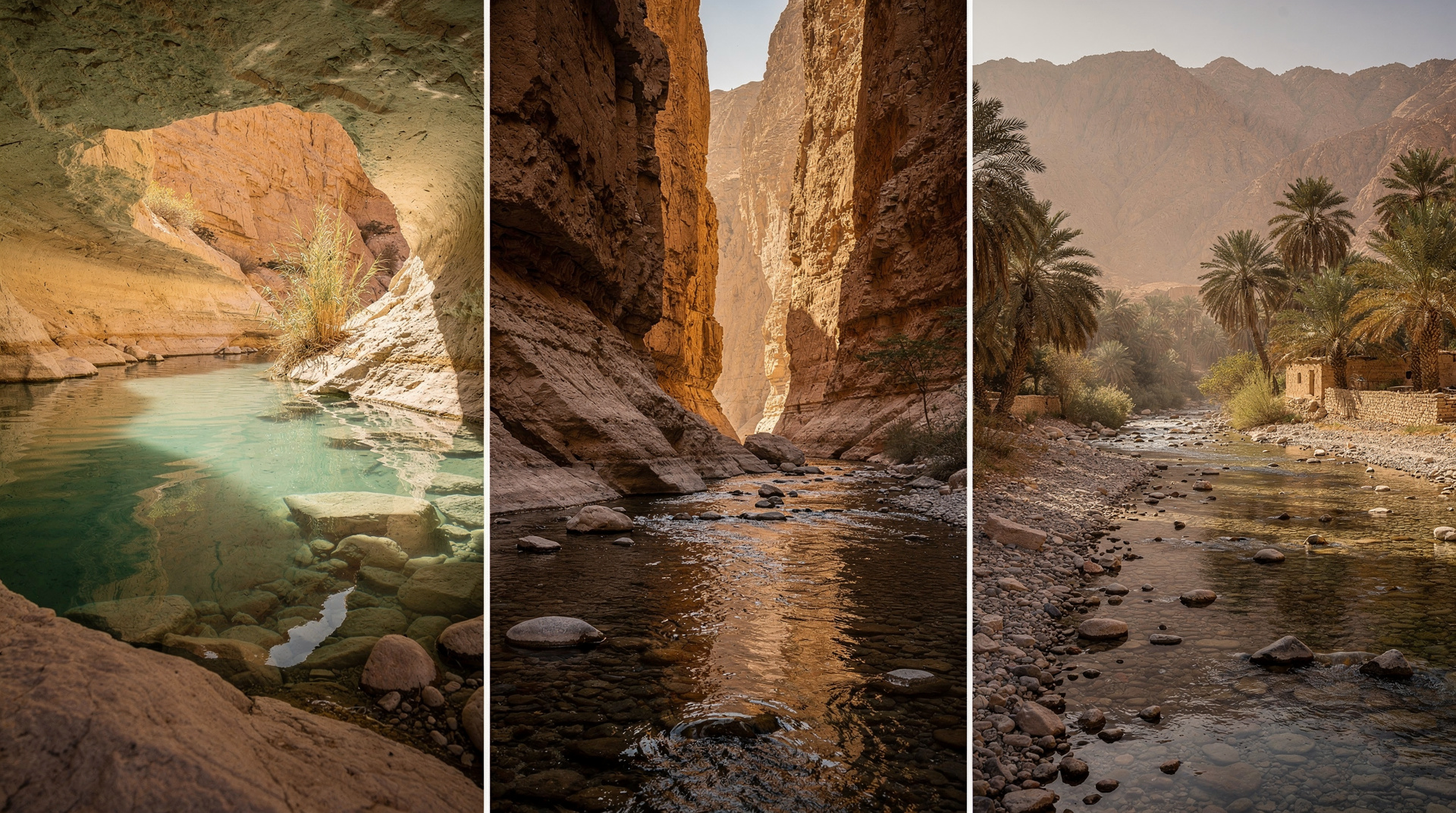
Wadi hiking and swimming: Waterproof dry bag for electronics and documents during water crossings. Quick-dry shorts or lightweight trousers. Water shoes as noted above. Trekking poles are useful on slippery wadi rocks but not essential.
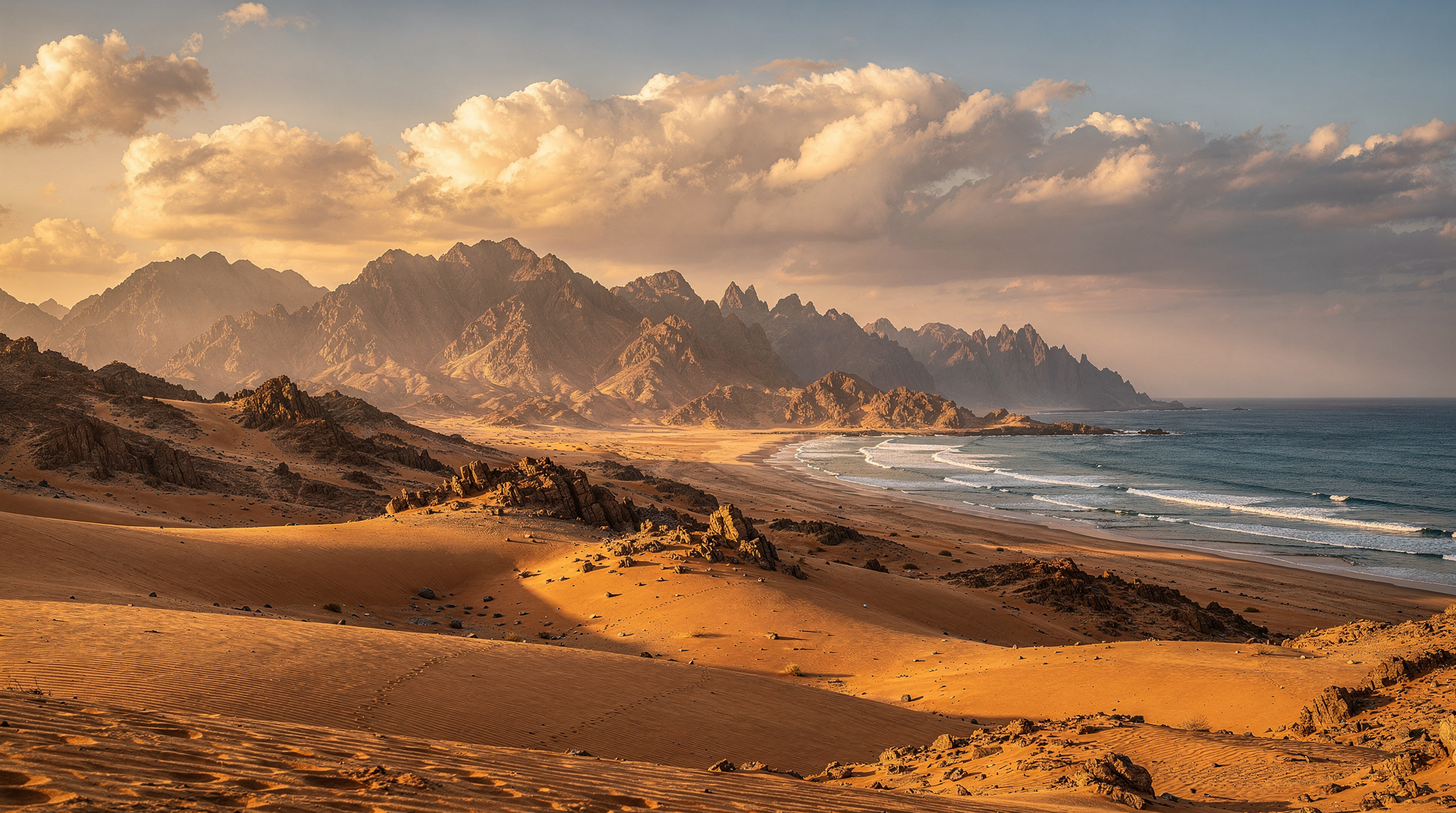
Desert camping in the Wahiba Sands: Warm sleeping layer — desert nights in January drop to 10–12°C. Most desert camps provide bedding, but a lightweight sleeping bag liner adds comfort and peace of mind. Head torch for navigating between tent and communal areas at night. Dust-proof case or bag for camera equipment.
Marine activities (snorkelling, diving, dhow cruises): Swimwear (wear under clothing when heading to the beach — changing facilities are not universal). Rash guard for snorkelling — the sun on the water is intensely reflective even in winter. Seasickness medication if you are prone, particularly for rougher winter seas.
Summer Season (Northern Oman): April to September
Northern Oman in summer is a different environment to winter. Temperatures in Muscat regularly exceed 40°C. Humidity on the coast makes outdoor activity feel punishing. Packing for this period is about heat management, not layering.
Clothing for Summer in Northern Oman
Lightweight, breathable fabrics only: Natural fibres — cotton, linen — are vastly preferable to synthetics in extreme heat. Loose-fit shirts and trousers in pale colours. Avoid dark colours that absorb heat.
Head and face protection: A wide-brim hat is non-negotiable for any outdoor activity. A light cotton buff or scarf for neck and face protection during midday sun exposure. UV-protective sunglasses with side coverage.
Cooling accessories: A small spray bottle filled with water provides immediate relief from extreme heat. Personal cooling towel. Electrolyte sachets or sports drink tablets — maintaining electrolyte balance in summer heat requires more than just drinking water.
What to Leave Behind in Summer
Jeans and heavy trousers serve no purpose in northern Oman summer and take up space. Formal shoes are unnecessary — breathable sandals or lightweight trainers cover every occasion you are likely to encounter. A heavy camera kit is a burden; smartphone photography is adequate for the indoor cultural sites that dominate a summer Muscat itinerary.
Khareef Season in Salalah: June to September
The Dhofar monsoon creates a third distinct packing scenario. Salalah during the Khareef is misty, cool, occasionally wet, and entirely unlike either northern Oman’s summer or winter. It is the Arabian Peninsula’s most unusual seasonal weather phenomenon, and packing for it surprises visitors expecting a dry Gulf climate.
Clothing for the Khareef
A light waterproof jacket: It may not pour, but the persistent coastal mist and occasional light rain make a packable waterproof genuinely useful. Nothing heavy — a thin wind- and waterproof shell suffices.
Warmer layers than you expect: Khareef temperatures in Salalah average 22–25°C, which sounds warm until you are on a misty hilltop in damp conditions. A long-sleeve shirt and a light fleece make a significant difference to comfort.
Waterproof footwear or sandals: The Dhofar mountains get genuinely wet during the Khareef. Muddy tracks and wet grass make waterproof trail shoes far more practical than trainers or dress shoes.
Khareef Extras
Mosquito repellent — the monsoon creates standing water that breeds insects. A stronger formulation than you would typically use in winter Oman. Waterproof bags for your camera and phone — mist is as damaging as rain to electronics when exposure is prolonged.
Ramadan Considerations
If your visit coincides with Ramadan — which falls in February-March during 2026 — a few additional packing points apply.
Carry a reusable water bottle with a discrete cover or insulated sleeve. Drinking water in public during daylight hours should be done discreetly in a cultural context of respect; a covered bottle is considerate. Snacks for long excursions should be packaged discretely and consumed away from public areas. See our full Ramadan visitor guide for detailed practical advice.
Activity-Specific Packing
For Diving and Snorkelling
Mask and snorkel (rental equipment at dive sites varies in quality and hygiene). Personal reef-safe sunscreen — conventional sunscreens containing oxybenzone are harmful to coral and are now banned at many Oman nature reserves. Prescription mask if you wear corrective lenses. Dive certification card if certified.
For Desert Driving and Off-Road Exploration
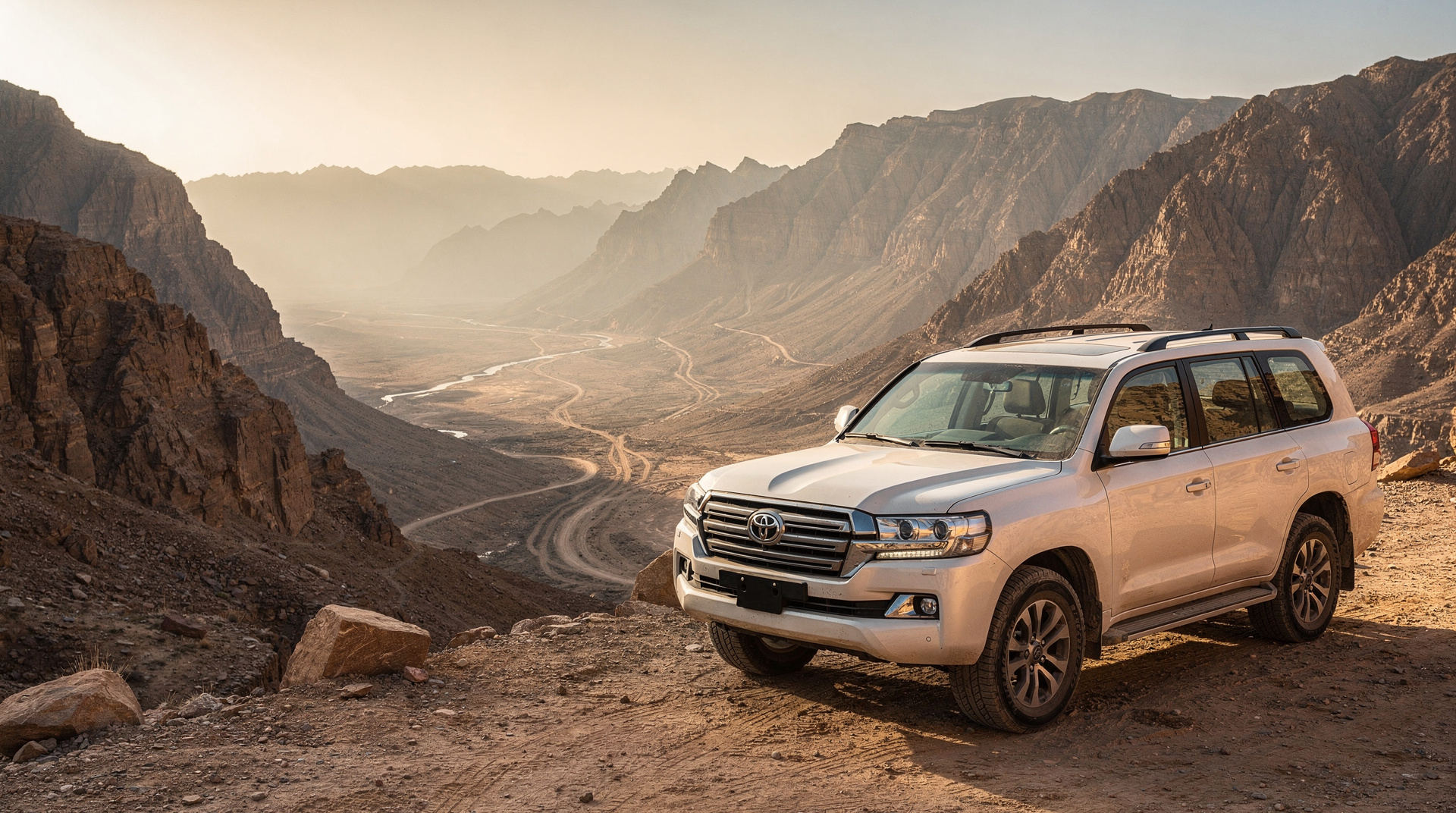
Tyre pressure gauge and portable compressor (essential if driving into the Wahiba Sands — you must deflate tyres for sand driving). Vehicle recovery strap. Navigation app with offline maps loaded. Emergency water reserve — minimum 10 litres per vehicle for any remote desert excursion. For 4x4 requirements and what routes need which vehicle, see our guide to renting in Oman.
For Mountain Hiking
Trekking poles (optional but useful on steep and loose surfaces). Gaiters for dusty mountain trails. Emergency whistle. Written note of your planned route left with your accommodation. See our Jebel Shams Balcony Walk guide for specific gear advice for that trail.
For Cultural Site Visits
A compact shoulder bag that can be searched at fort and mosque entrances (large backpacks are often required to be left at entry points). Small bills in Omani Rial for donation boxes and entry fees at minor heritage sites. A quiet voice and patience for queue-based entry at popular sites during peak season.
Packing Light: What to Leave Behind
Oman’s cities have good pharmacies, supermarkets, and shopping malls. Muscat City Centre and Mall of Muscat stock most international brands. Items you can buy locally without difficulty include: sunscreen (though specific high-SPF formulations may need to be sourced from pharmacies rather than supermarkets), standard medications, toiletries, chargers and adaptors, lightweight clothing, and basic outdoor gear.
Do not over-pack camera equipment. The light in Oman is generally excellent, and a smartphone camera produces good results for most travel photography. Only bring specialist camera gear if you have a specific photography purpose that justifies the weight.
Leave heavy books and laptops at home unless your trip specifically requires them. The Omani landscape and culture are engaging enough that most visitors have little time or inclination to sit with a laptop.
Quick Reference Packing List by Season
Winter (Oct–Mar): Light clothes for cities, warm layers for mountains, wadi shoes, swimwear, modest cover for religious sites, sun protection.
Summer in Northern Oman (Apr–Sep): Maximum lightweight breathable clothing, intense sun protection, head covering, electrolytes, indoor-activity focus.
Khareef Salalah (Jun–Sep): Light waterproof jacket, warmer layers than expected, waterproof footwear, mosquito repellent.
Desert camping additions: Warm sleeping layer, head torch, dust-proof electronics protection, tyre equipment if self-driving.
Mountain hiking additions: Trekking poles, extra warm layer, emergency supplies, offline navigation.
For the full picture on what Oman’s seasons mean for your visit, the month-by-month seasonal guide covers climate, crowds, and activity windows in detail.