Visiting Oman During Ramadan: Pros, Cons, and Essential Tips
Ramadan in 2026: The Context
In 2026, Ramadan falls approximately from late March to late April, shifting earlier each year as the Islamic lunar calendar progresses. For visitors considering an Oman trip during this period, the question of whether to travel during Ramadan is one that deserves honest engagement rather than dismissal or alarmism.
The honest answer is nuanced: visiting Oman during Ramadan is a genuinely different experience from visiting at other times of year — not worse in all respects, in some ways richer and more culturally revealing, but requiring practical adjustments and a level of cultural awareness that standard visits do not demand. This guide covers what you will actually encounter, what works well, what is challenging, and how to approach the month respectfully and enjoyably.
What Ramadan Actually Changes in Oman
Daylight Hours
The core practice of Ramadan is fasting: from the pre-dawn meal (suhoor) until sunset (Iftar), observant Muslims abstain from food, drink — including water — smoking, and other specified activities. The fast is broken each evening at Iftar, the sunset meal, which is the most significant social and culinary moment of the Ramadan day.
For visitors, the practical implications cascade from this central practice:
Restaurants: The majority of local Omani restaurants and small cafes close during daylight hours. Tourist hotels maintain their dining operations throughout Ramadan, and hotel restaurants serve food normally throughout the day. Eating at your hotel is the most straightforward way to have daytime meals. Some international fast-food chains and a limited number of restaurants in tourist areas may remain open during the day, typically with curtained windows and discreet service.
Eating and drinking in public: Oman law prohibits eating, drinking, and smoking in public spaces during daylight hours during Ramadan. This applies to non-Muslims as well as Muslims. Violations can result in a fine. In practice, enforcement is contextual — a tourist quietly eating a snack in a car or a hotel lobby is very different to conspicuously eating in a market or on a public street. The principle to follow is discretion and respect, not anxiety.
Working hours: Government offices, many businesses, and some attractions reduce their opening hours during Ramadan, typically operating from around 9:00 to 14:00 or 15:00. Forts, museums, and heritage sites may also operate reduced hours. Check opening times before planning visits.
Traffic and street activity: Daily patterns shift significantly. Roads are quiet during the day as people conserve energy. The hour before Iftar is marked by traffic as everyone returns home to break the fast. After Iftar, particularly in the late evening, Muscat comes alive in a way that feels entirely different to non-Ramadan nights: families are out, cafes are full, street food stalls appear, and the social atmosphere has a celebratory warmth.
The Atmosphere Shift
This is where Ramadan in Oman becomes genuinely interesting for culturally motivated visitors. The daylight hours have a quality of contemplative slowness that is unlike any other time of year. Streets are quieter, interactions more measured, and the pace of life observably different. Then, as Iftar approaches and the Maghrib call to prayer sounds, the transformation is immediate and remarkable. Restaurants fill within minutes, streets that were empty become busy, and the atmosphere shifts from restrained to joyful.
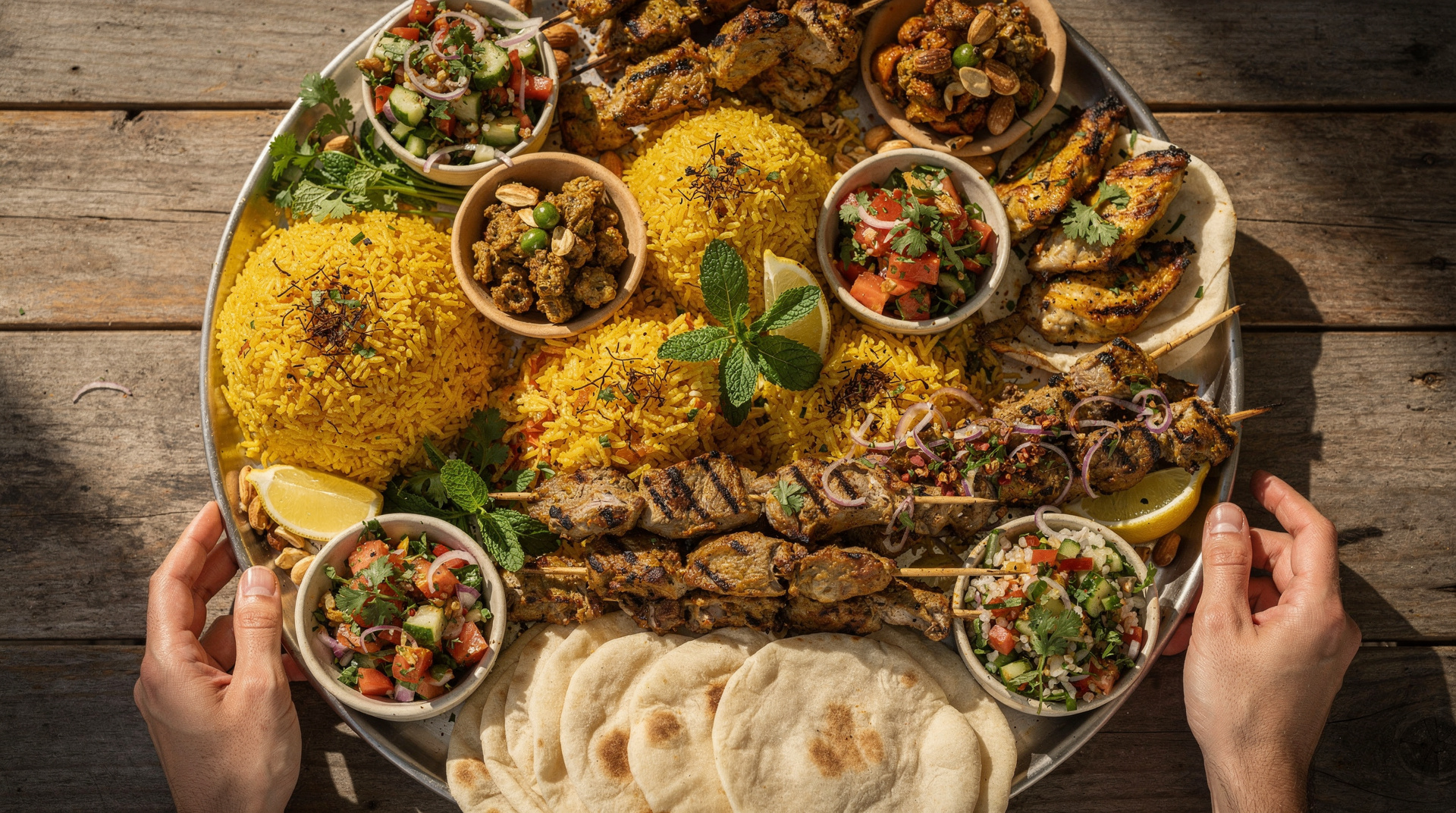
The Ramadan Iftar meal itself — typically a spread of dates, juices, soups, and then the main meal — is one of the most communal and generous dining traditions in Islamic culture. Hotel restaurants set special Iftar menus, and many cultural centres and mosques organise open Iftar meals to which non-Muslim visitors are sometimes welcomed as guests. Being present for Iftar, even in a hotel setting, provides a cultural experience that no amount of visiting during normal months can replicate.
The Pros of Visiting During Ramadan
Authentic Cultural Access
Ramadan strips away some of the performative aspects of tourism and reveals the country at its most genuine. The hospitality culture — already exceptional in Oman — becomes more pronounced during Ramadan. Omani Muslims who are fasting will still go out of their way to ensure visitors are comfortable, and the grace with which the fast is observed provides an insight into Omani character that ordinary tourism does not deliver.
Attending Iftar at a traditional Omani restaurant, even as a paying guest on a set menu, provides exposure to Omani family culture and food tradition — the dates and qahwa, the laban (yoghurt drink), the soups, the slow parade of dishes — in a context that feels celebratory rather than touristy.
Reduced Crowds at Major Sites
Most international visitors avoid Ramadan, which means that the country’s most popular sites are operating at a fraction of peak capacity. The Sultan Qaboos Grand Mosque, Muttrah Souq, Nizwa Fort, and Wadi Shab will all be noticeably less crowded. For those who want the experience without the Instagram crowd, this is genuinely valuable.
The reduction in tourist groups is particularly noticeable at heritage sites and cultural attractions. The Grand Mosque at opening time on a January weekend can feel crowded; during Ramadan weekdays, the same space can feel genuinely contemplative.
Lower Prices
Hotels reduce rates during Ramadan, and the reduction can be significant — 20 to 40 percent below peak-season pricing at the same properties. For visitors who can adapt to the Ramadan rhythm, the value for money improves considerably.
Flight prices to Muscat from European and Asian origins also tend to be lower during Ramadan, as leisure travel demand decreases. The combination of hotel and flight savings makes Ramadan one of the most cost-effective periods to visit Oman.
Ramadan Nights Come Alive
The evenings of Ramadan in Muscat have a quality that no other period provides. After Iftar, Omanis go out — to the souq, to restaurants, to the Corniche, to family gatherings — and the city has an energy that is simultaneously relaxed and celebratory. Street food stalls appear that are not present during normal months. Special Ramadan markets open in some areas. The sense of community and shared purpose is palpable and moving even for visitors who are not participating in the fast.
The Muttrah Corniche in the evening during Ramadan, with families promenading, children running between parked cars, the smell of qahwa and food drifting from the cafes, and the sound of the Quran playing from loudspeakers — this is Oman at its most authentically itself, and it is a privilege to witness.
The Cons of Visiting During Ramadan
Daytime Eating and Drinking
This is the most practically significant challenge. If you are accustomed to stopping for coffee at 10:00, having lunch at your leisure, or buying water at a corner shop at noon, Ramadan requires adjusting these habits. Stock your hotel room with snacks and water. Eat a solid hotel breakfast before heading out. Carry a water bottle discreetly. Know where your nearest hotel or tourist-facing restaurant is. These are manageable adaptations, but they require thought.
Reduced Hours at Attractions
The shortened operating hours at government-run sites can compress your daily itinerary in ways that require planning. A site that normally opens at 8:00 and closes at 18:00 may open at 9:00 and close at 14:00 during Ramadan. Attempting to see multiple sites in one day requires more careful scheduling.
Quieter Daytime Energy
For visitors who energise from vibrant daytime street life, the quieter daytime atmosphere of Ramadan Oman may feel flat. The souqs, markets, and street food culture that make Muttrah such a compelling daytime destination are reduced in scope. The payoff comes in the evening, but if evenings are when you are tired and ready for rest, the exchange may not work for you.
Restaurant Limitations
Beyond the hotel, finding food during the day requires more research than at other times of year. Some popular restaurants, particularly casual local places that non-Muslim visitors tend to seek out, will be closed from before dawn until after sunset. Dinner options after Iftar are excellent — restaurants fill quickly but the quality and atmosphere is at its peak — but planning around dinner-only dining requires adjustment.
Heat (in 2026 Timing)
In 2026, Ramadan falls in late March to late April. This timing means daytime temperatures in Muscat will be running at 32–38°C — warm but not at summer extremes. The combination of rising heat and the reduced energy of midday Ramadan streets makes the early morning the most productive window for outdoor activities. This is actually a good practice regardless of Ramadan, but the timing requires more discipline.
Practical Tips for Ramadan Visitors
Eat a substantial hotel breakfast. Most hotels maintain full breakfast service throughout Ramadan. Use it. A proper breakfast at 7:30 provides the fuel for a productive morning before retreating to air-conditioned spaces at midday.
Book hotel restaurants for Iftar. Many hotels prepare a special Iftar spread — a long table of traditional dishes, dates, juices, and sweets — served at sunset. This is both a meal and a cultural experience. Book in advance as these fill quickly.
Carry a discrete water bottle. Staying hydrated is important, particularly in rising April temperatures. A covered insulated bottle that does not draw attention allows you to drink while moving between air-conditioned spaces without conspicuously flouting public norms.
Dress more conservatively than usual. During Ramadan, modest dress is particularly appreciated. Long sleeves, covered shoulders, and ankle-length trousers or skirts show respect for the month and will be noticed positively by Omani hosts.
Learn a few Ramadan greetings. Saying “Ramadan Kareem” (Ramadan is generous) to Omani people you encounter is a simple gesture that is warmly received. Responding to “Ramadan Kareem” with “Allahu Akram” (God is most generous) demonstrates cultural engagement that Omanis appreciate from visitors.
Plan evenings rather than full days. Structure your Ramadan itinerary around morning activities (7:00–12:00), an afternoon rest or hotel pool period, and evening exploration after Iftar (19:30 onwards). This pattern aligns with local rhythms and makes the most of Muscat’s extraordinary Ramadan evenings.
Know what remains open. International hotels, tourist-facing restaurants with Ramadan operating licences, hotel spas, and most natural sites remain accessible throughout Ramadan. Heritage sites with shortened hours are signposted. The mosque experience is enriched during Ramadan — the call to prayer has additional layers of solemnity and beauty throughout the month.
Do not photograph Iftar or prayer without permission. Ramadan practices are private and sacred. Photographing people praying, families at Iftar, or the Maghrib call to prayer should only be done with explicit permission. Simply asking — “May I take a photograph?” — is almost always met with generosity, but the asking matters.
Who Should Visit During Ramadan
Ramadan Oman suits visitors who are: culturally curious and flexible, willing to adjust their daily rhythm, interested in authentic cultural immersion rather than conventional tourism convenience, and able to manage reduced daytime dining access without significant distress.
It is less suited to: visitors travelling with young children who need regular daytime meals and snacks without logistical effort, those whose holiday contentment depends heavily on vibrant daytime restaurant culture, and those visiting primarily for outdoor activities that peak in cooler months (the Wahiba Sands and mountain hiking are better in October–March regardless of Ramadan).
For planning the rest of your Oman visit around Ramadan timing and understanding what the country offers across different seasons, the complete seasonal guide covers conditions by month. For the food dimension of Oman cultural travel, our Omani food guide gives context for the dishes and traditions you will encounter at Iftar and at Ramadan markets.
A Final Thought
Ramadan is the month that perhaps most clearly reveals who Omanis are. The discipline of the fast, the generosity of Iftar, the community of evening prayer, the quality of attention that comes from a month of deliberate practice — these are not performances for tourists. They are a people at their most sincerely themselves.
Visiting during this month is a privilege. Treat it as such, approach it with curiosity rather than complaint, and Ramadan in Oman will offer something that a beach holiday in peak season cannot: the sense of having understood, a little, the life behind the landscape.