Best Time to Visit Oman: Month-by-Month Guide
When is the best time to visit Oman?
October to March is ideal — temperatures are mild (18–30°C), skies are clear and all attractions are accessible. Peak season is December to February.
When to Go: Understanding Oman’s Climate
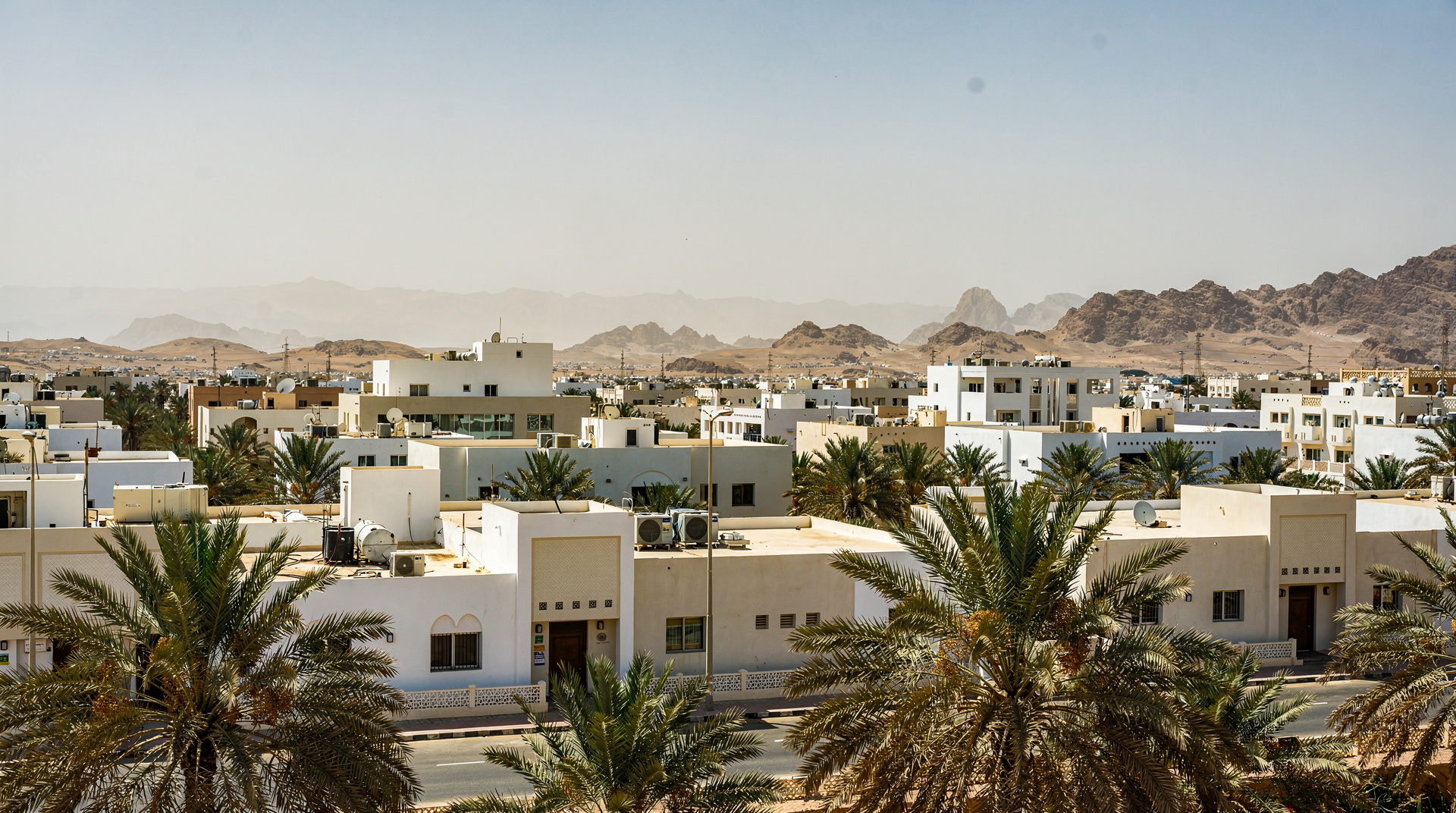
Oman is one of the Arabian Peninsula’s most geographically diverse countries, stretching from dramatic fjords in the Musandam peninsula to the rolling dunes of the Rub’ al Khali. That diversity means the “best” time to visit depends heavily on where you plan to go and what you want to do.
The country has three distinct climate zones. The northern coast and capital Muscat experience a classic Gulf climate — scorching summers and warm, pleasant winters. The southern region of Dhofar operates almost in reverse, cooled by the Indian Ocean monsoon each summer. And the mountain interior — Jebel Akhdar, Jebel Shams — stays noticeably cooler year-round, occasionally dipping below freezing in January.
This guide breaks down every month so you can match your trip to the conditions that suit you best.
October to March: The Main Tourist Season
This six-month window is when most international visitors choose to travel, and for good reason. Temperatures across northern Oman drop to genuinely comfortable levels, and outdoor activities that would be dangerous in summer become not just possible but deeply enjoyable.
October and November
October marks the transition from brutal summer heat to something far more welcoming. Muscat temperatures fall from the mid-30s to around 28–32°C by month’s end. Humidity drops noticeably. By November, evenings in the capital feel almost cool, and wadi hikes and desert camping become genuinely pleasurable rather than survival exercises.
Crowds are thin in October and early November — this is shoulder season at its finest. Hotels offer competitive rates, tour operators have space, and popular spots like Wadi Shab, Bimmah Sinkhole, and the Wahiba Sands feel uncrowded. If you value elbow room and lower prices without sacrificing weather, October–November is arguably the best month combination of the year.
November also brings the Muscat Festival’s lead-up events and various cultural happenings. It is an excellent month to combine a Muscat city experience with a road trip down the Sharqiyah Sands region.
December and January: Peak Season
December through January is peak tourist season in Oman. Schools across Europe are on holiday, and Muscat becomes noticeably busier. Temperatures in the capital hover between 18°C at night and 26°C during the day — genuinely lovely conditions for exploring souqs, forts, and coastal paths.
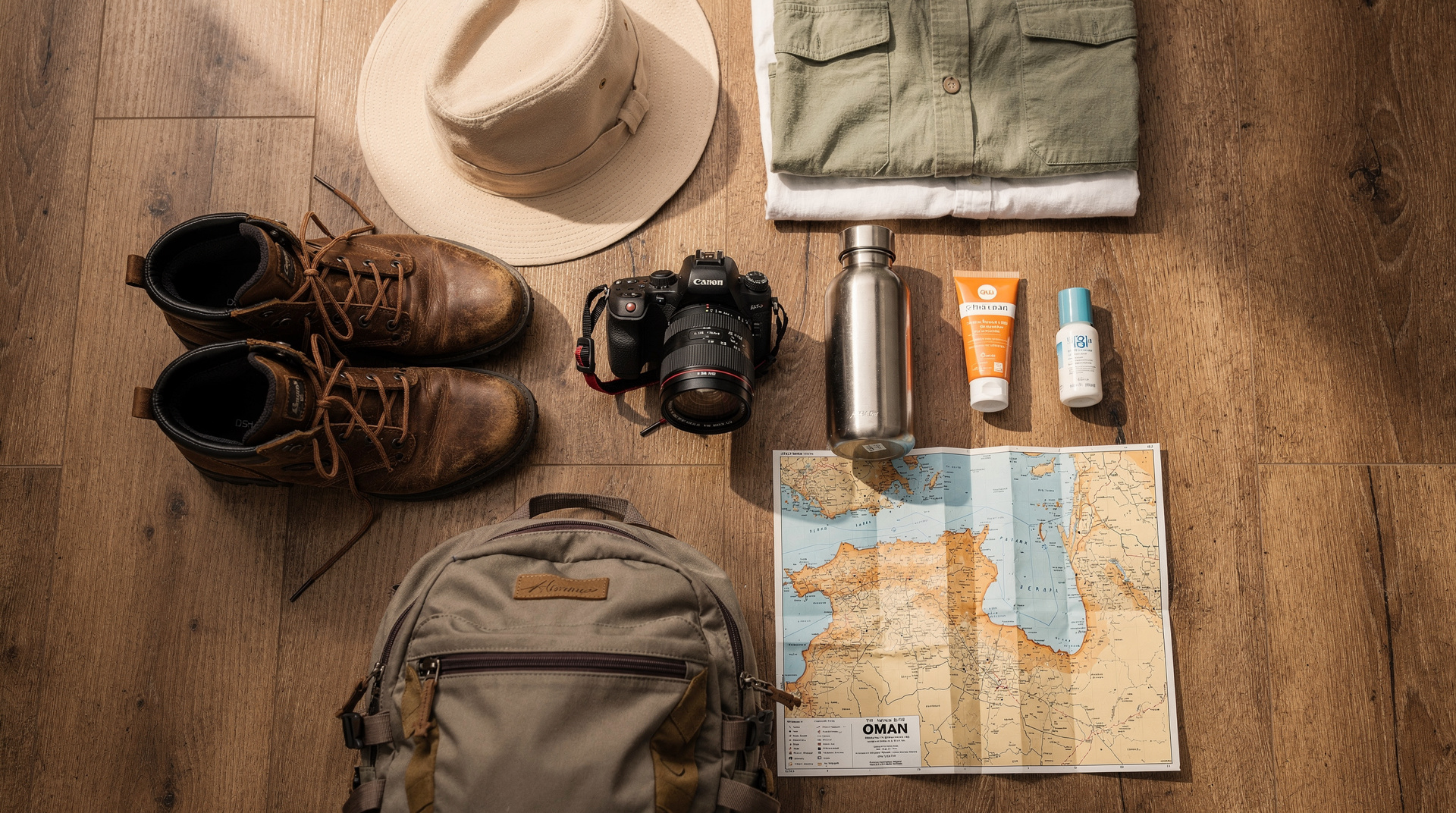
The mountains are at their most dramatic. Jebel Akhdar, perched above 2,000 metres, can drop to 5°C at night in January, and there are occasional frost events. The terraced rose gardens lie dormant in December but the mountain landscapes are stark and stunning. Jebel Shams, Oman’s Grand Canyon, is spectacular in winter light.
The Wahiba Sands are at their most inviting. Nights under the stars in a desert camp, wrapped in a blanket, watching the Milky Way arc overhead — this is the quintessential Oman experience, and it is only truly comfortable in winter. Booking a Wahiba Sands desert day trip from Muscat in December or January means perfect overnight conditions.
The downside of peak season is price and availability. Popular desert camps, cliff-edge lodges on Jebel Akhdar, and boutique Muscat hotels book out weeks or months in advance. Plan and book early.
February and March
February continues peak-season conditions with slightly longer days and the first hints of warming. Wadi Dolphin watching season is reliable, wildflowers appear in the mountains, and the country’s famous rose season begins on Jebel Akhdar in late February or early March, depending on rainfall.
March is the month of roses. The Damask rose harvest on Jebel Akhdar is one of Oman’s most photographed spectacles — terraced gardens bloom pink and white, and rose water distilleries operate at full capacity. See our dedicated rose season guide for Jebel Akhdar for full details on timing and logistics.
Turtle nesting season at Ras al Jinz begins ramping up in late February. By March, green turtles are reliably coming ashore most nights, and the Ras al Jinz Turtle Reserve offers guided night-time visits.
Weather in March is transitional — warm but not yet oppressive in the lowlands, and the mountain interior is still pleasantly cool. March is often cited by long-term expats as their favourite month in the country.
April: The Shoulder Month
April sits in an interesting transitional zone. The first half can still be very pleasant — warm in Muscat (30–35°C), hot in the interior. By late April, daytime heat becomes challenging for extended outdoor activity, and most visitors begin heading indoors or to higher elevations during midday.
Crowds thin dramatically in April, and hotel prices fall. If you can handle heat and stick to mornings and evenings for outdoor activities, April offers exceptional value. The Muscat souqs, indoor cultural sites, and the spectacular coastline are all still fully accessible.
May to September: Summer Heat and the Khareef Exception
Summer in northern Oman is not for the faint-hearted. Muscat temperatures climb to 40°C and beyond, with humidity making coastal areas feel punishing. Inland desert regions like the Wahiba Sands can exceed 50°C. Wadi hikes and prolonged outdoor activity during summer are genuinely dangerous without serious preparation.
That said, summer is not entirely without merit — and in southern Oman, it is actually the best time to visit.
The Khareef Season in Dhofar (June to September)
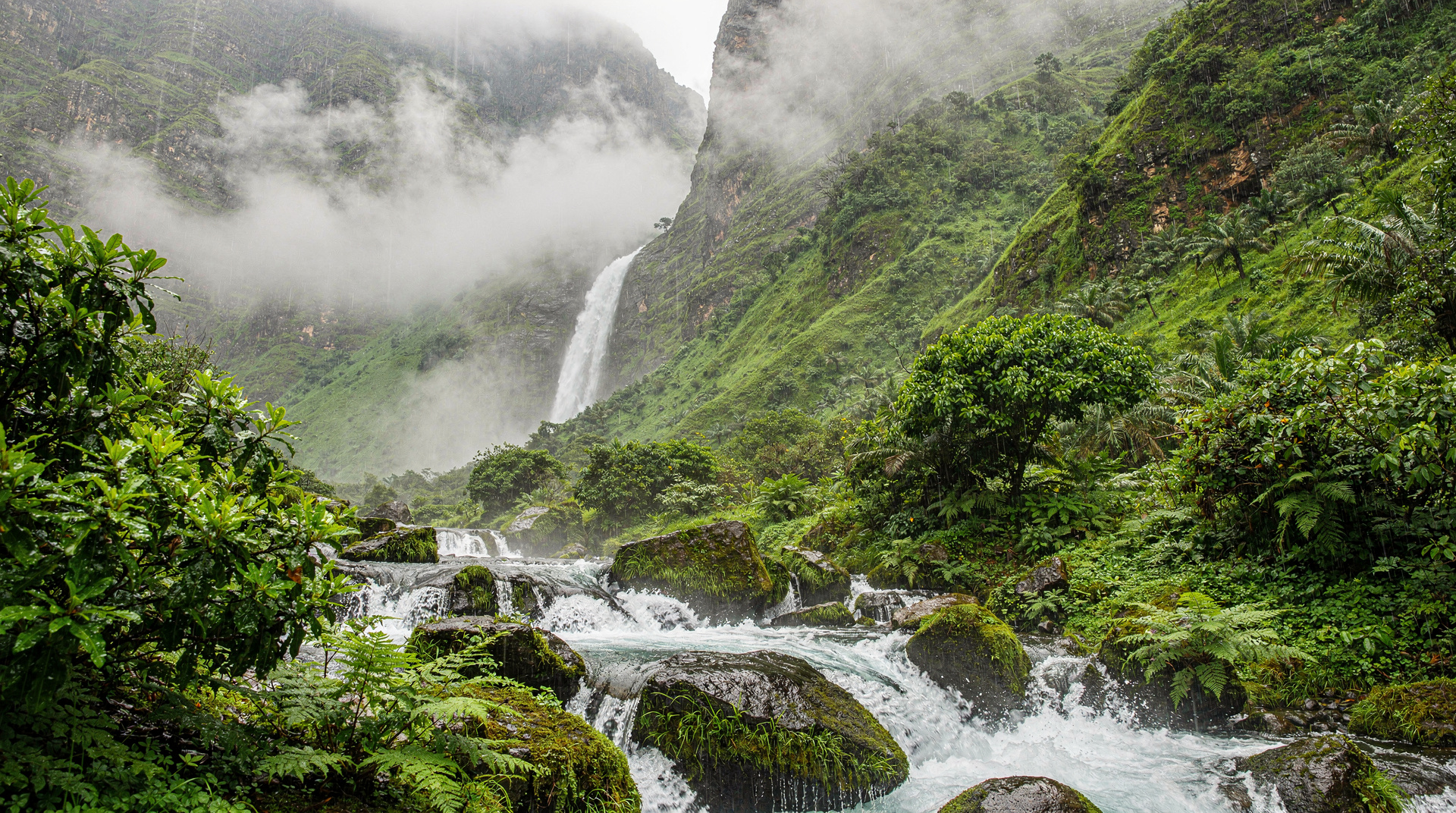
The Khareef — the Arabic word for autumn, applied to the Indian Ocean monsoon that strikes Dhofar — transforms Salalah and the surrounding mountains between June and September. While the rest of Oman bakes, Dhofar turns lush green, waterfall-fed canyons fill with mist, and temperatures stay in the low 20s.
This is one of the most unusual seasonal phenomena in the Arabian Peninsula: a sub-tropical monsoon landscape just three hours’ flight from Dubai. The Dhofar mountains fill with fog, frankincense trees drip with moisture, and camels graze on emerald hillsides that will be bone-dry by October.
August is the peak of the Khareef, and the Salalah Tourism Festival draws large crowds — mainly Gulf tourists escaping summer heat elsewhere. Accommodation books out, prices spike, and coastal roads can get crowded. June and early September offer the same lush landscapes with fewer visitors.
If you are planning to visit Salalah during the Khareef, our dedicated Khareef season guide covers everything — including the best waterfalls, frankincense routes, and where to stay.
For those visiting northern Oman in summer, Muscat remains operational. The Grand Mosque, national museum, shopping malls, and indoor attractions are all accessible. Some visitors intentionally choose July or August for dramatically reduced hotel rates and near-empty heritage sites — if you can handle moving quickly between air-conditioned spaces, it is viable.
Ramadan: A Special Consideration
Ramadan follows the Islamic lunar calendar, shifting approximately 10 days earlier each year. In 2026, Ramadan falls in late February to late March.
Visiting during Ramadan is a fascinating experience — the country feels different, slower, more contemplative during the day. After Iftar (the sunset breaking of the fast), the city comes alive with family gatherings, food stalls, and celebrations that last late into the night.
However, some practical adjustments apply. Most restaurants are closed during daylight hours, though tourist hotels maintain their dining services. Eating, drinking, and smoking in public during the day is prohibited by law. See our full Ramadan travel guide for everything you need to know about visiting respectfully.
Month-by-Month Temperature Summary
Northern Oman (Muscat) average daytime highs:
- January: 26°C
- February: 27°C
- March: 31°C
- April: 36°C
- May: 40°C
- June: 42°C
- July: 40°C
- August: 38°C
- September: 38°C
- October: 35°C
- November: 31°C
- December: 27°C
Jebel Akhdar (2,000m elevation) temperatures run approximately 8–10°C cooler than Muscat across all months.
What to Do in Each Season
Best Activities by Season
Winter (Oct–Mar): Wadi hikes, desert camping, snorkelling, whale watching, turtle watching at Ras al Jinz, Jebel Akhdar rose season, mountain driving, multi-day road trips.
Summer (Apr–Sep) in Northern Oman: Indoor cultural sites, souq shopping, cooking classes, Muscat city tours, spa days.
Summer (Jun–Sep) in Dhofar: Khareef waterfalls, frankincense souqs, Wadi Darbat, Ayn Athum spring, Jebel Samhan wildlife reserve.
Planning Your Trip Around Major Events
National Day (November 18): Fireworks, military parades, and celebratory atmosphere throughout the country. A wonderful time to be in Muscat.
Muscat Festival (January–February): Cultural performances, heritage displays, international food stalls, and entertainment events held across the capital. The 4-day Oman highlights tour from Muscat pairs well with festival time.
Salalah Tourism Festival (July–August): Khareef season’s signature event, with cultural performances, camel racing, and heritage markets.
Rose Harvest Festival on Jebel Akhdar (March–April): Distillery visits, rose water production, and terraced garden blooms.
Which Region Should You Visit — and When
Muscat and the northern coast: October to March without question.
Wahiba Sands and interior desert: November to February — avoid entirely May to September.
Musandam peninsula: October to April — the fjord diving and dhow cruises are best when waters are calm and temperatures are manageable.
Jebel Akhdar and Jebel Shams: Year-round possible, but November to March for the best combination of cool temperatures and visibility. Pack warm layers for January nights.
Wadi Shab and eastern coast: October to April — wadi flash floods are a risk in winter after heavy rainfall.
Salalah and Dhofar: Two prime windows — June to September for the Khareef, or October to February for dry-season beach and heritage exploration.
Booking a Guided Experience
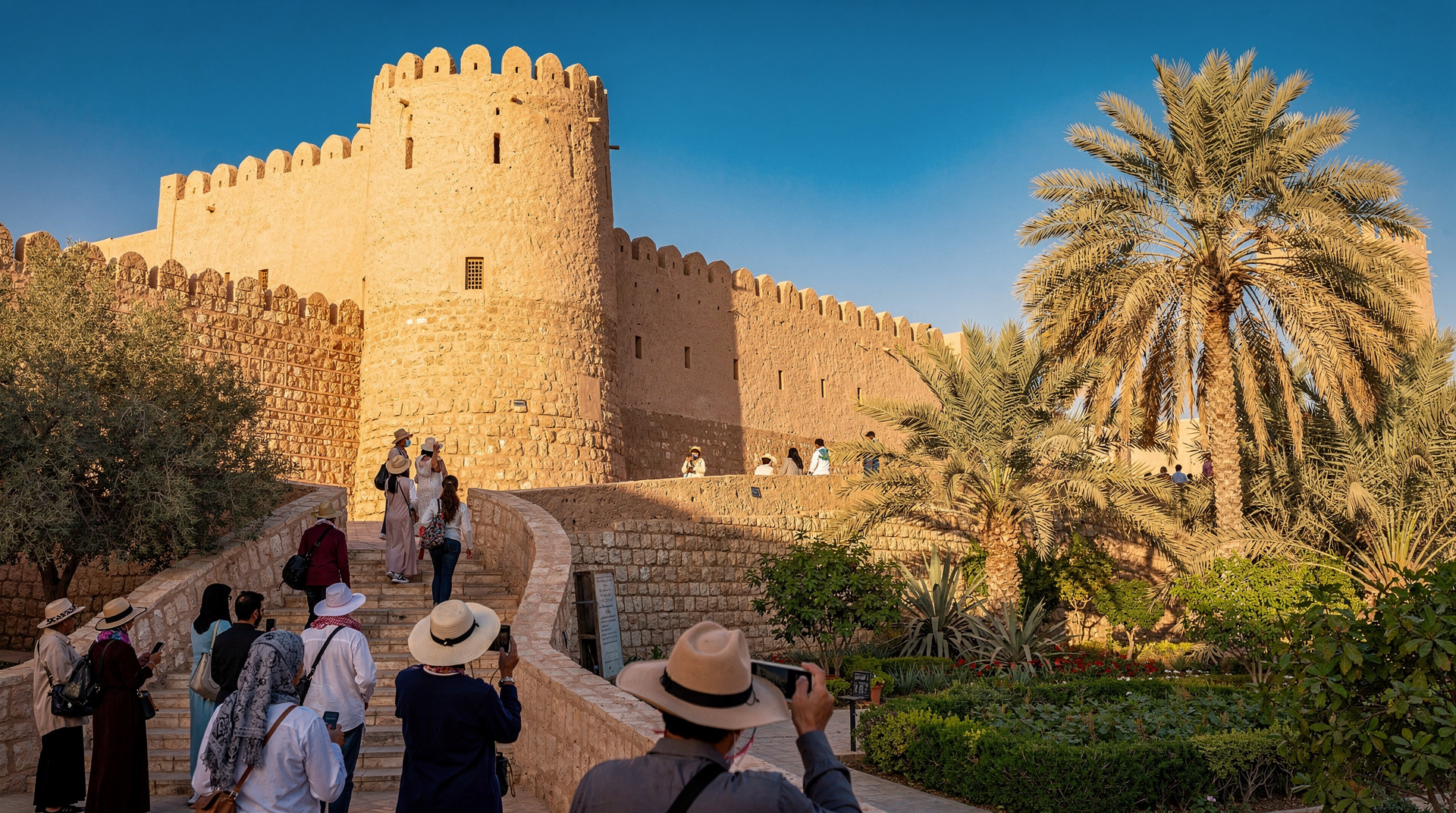
For first-time visitors, joining a structured city tour or day trip is an excellent way to orient yourself before striking out independently. A half-day Muscat city tour covers the Sultan Qaboos Grand Mosque, the old town of Muttrah, and the royal palaces — the three sites that define Muscat. Running these in the cooler morning hours of a winter day is the optimal experience.
Practical Tips for Timing Your Visit
Book accommodation at least 2–3 months ahead for December and January, especially for Jebel Akhdar lodges and popular desert camps. Shoulder season (October–November and March–April) allows more spontaneous planning.
Domestic flights from Muscat to Salalah operate year-round and are an efficient way to combine northern and southern Oman in a single trip. Return fares start from around 30 USD.
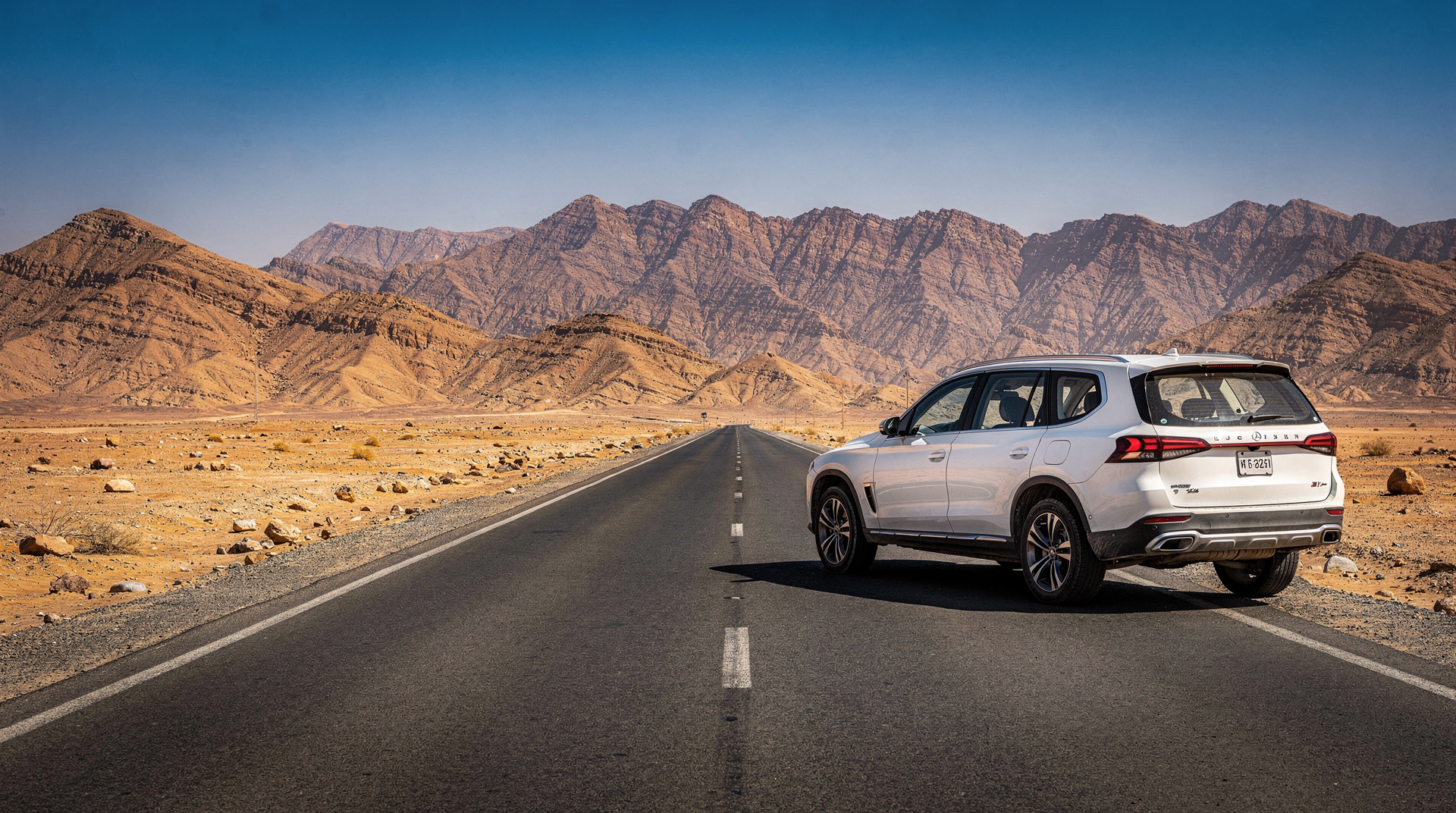
Road trips require a 4WD vehicle for many of the best off-road routes. See our complete Oman car rental guide for advice on choosing and booking the right vehicle.
Budget travellers will find the widest price variance in shoulder seasons — see our Oman budget guide for day-by-day cost breakdowns by season.
Frequently asked questions about Best Time to Visit Oman: Month-by-Month Guide
Is Oman too hot to visit in November?
No. November is actually one of the best months to visit. Temperatures in Muscat average around 31°C by day and drop to 22°C at night — warm but very manageable. Northern and mountain regions are particularly pleasant. Crowds are lower than December-January peak, and prices reflect that.
Can I visit Oman in August?
Yes, but with caveats. Northern Oman is genuinely very hot in August (38–42°C), and prolonged outdoor activity is not recommended. However, Salalah in August is at peak Khareef season — lush, green, misty, and around 22°C. Many Gulf tourists make Salalah their summer escape for exactly this reason.
What is the cheapest time to visit Oman?
May, June, July, and August are the cheapest months in northern Oman due to extreme heat reducing demand. Prices for flights and hotels can fall by 40–60% compared to peak season. If you can cope with the heat and stick to indoor activities or early morning excursions, significant savings are possible.
Does Oman get cold in winter?
The coastal lowlands (Muscat, Nizwa, Sohar) remain warm — typically 18–26°C in January. However, the mountains are a different story. Jebel Akhdar and Jebel Shams can drop to 5°C at night in January, with occasional frost. Pack a proper fleece or jacket if you plan to sleep at altitude.
Is it safe to visit Oman during Ramadan?
Yes, completely safe and often a culturally rewarding experience. Adjustments are needed — no eating or drinking in public during daylight hours, and some restaurants close during the day. Tourist hotels maintain dining services throughout. The atmosphere after Iftar is vibrant and welcoming.
How many days do I need in Oman?
A minimum of seven days allows you to cover Muscat, Jebel Akhdar, Nizwa, and the Wahiba Sands — the classic northern circuit. Ten to fourteen days lets you add the eastern coast, Musandam, or a flight down to Salalah. See our getting around Oman guide for itinerary planning advice.
When is turtle-watching season at Ras al Jinz?
Green turtles nest year-round at Ras al Jinz, but the main season runs from May to October. However, the most comfortable visiting conditions are October through March, when daytime temperatures are manageable. Book your guided night-time turtle-watching session through the reserve in advance.
What are the best months for diving in Oman?
October to May offers the best diving conditions — visibility is high, water temperatures are warm but not punishing, and sea conditions are calmer. The Musandam fjords and the Daymaniyat Islands are both excellent diving destinations best accessed in winter.