Visiting Oman During Ramadan: What to Know
Can tourists visit Oman during Ramadan?
Yes. Oman is open to tourists during Ramadan. Tourist hotels serve food and drink normally. No eating or drinking in public during daylight hours — this applies to everyone, including tourists.
Travelling During Ramadan: An Honest Overview
Ramadan, the holy month of fasting in Islam, is one of the most significant periods in the Muslim calendar. In Oman — a predominantly Muslim country with deep religious roots — Ramadan changes the rhythm of daily life in meaningful ways. For visitors, this creates both challenges and unique opportunities.
The challenges are real: restaurants close during the day, business hours shorten, some tourist services operate with reduced capacity, and public behaviour rules are stricter. But the opportunities are equally real: a chance to witness one of the world’s great religious observances from the inside, to experience Iftar with Omani families, to explore popular sites with dramatically smaller crowds, and to feel the quiet contemplation of a country observing something genuinely important.
This guide gives you an honest picture of what Ramadan travel in Oman looks like, how to navigate it well, what stays open, where to find food, and how to engage with the cultural experience respectfully.
When Is Ramadan?
Ramadan follows the Islamic lunar calendar, moving approximately 10–11 days earlier each year in the Gregorian calendar.
Ramadan 2026 dates: Approximately February 17 to March 18, 2026. The exact start depends on the moon sighting and is announced officially each year — usually 1–2 days before the month begins.
Ramadan 2027: Approximately February 6 to March 7.
Ramadan 2028: Approximately January 26 to February 24.
Note that Ramadan in 2026 falls during what is otherwise peak tourist season in Oman — a relevant planning consideration. If you are visiting Oman in February or March 2026, Ramadan is not an optional add-on to your planning: it will define the atmosphere and logistics of your trip.
The Legal and Social Rules During Ramadan
These rules apply to everyone in Oman during Ramadan — Muslim and non-Muslim alike, tourist or resident.
You may not, in public:
- Eat or drink anything (including water) during daylight hours
- Smoke in public
- Play loud music
- Dance or engage in behaviour deemed publicly inappropriate
- Be drunk or visibly intoxicated at any time
You may:
- Eat and drink normally in your hotel room, hotel restaurants, and licensed venues
- Drink water inside your car (it is private space)
- Continue all normal tourist activities
- Carry food and water in your bag for later consumption in private
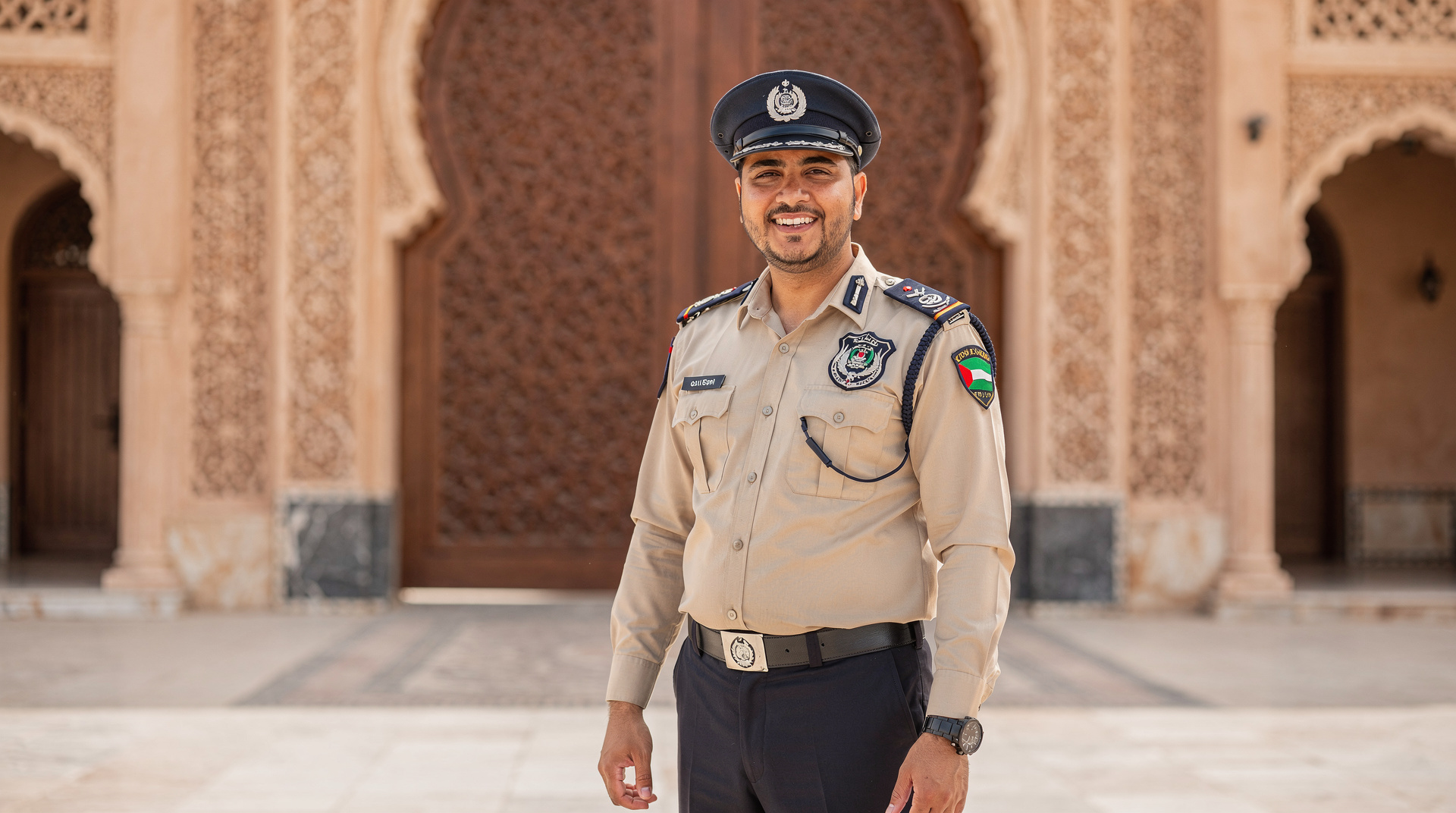
Violating the public fasting rules is a criminal offence in Oman and can result in fines or, in serious cases, arrest. This is not a grey area — compliance is required, and the police enforce it. However, enforcement is generally measured and aimed at obvious violations. Quietly drinking from a water bottle inside your car does not attract attention. Sitting on a park bench eating a sandwich does.
What Stays Open During Ramadan?
Tourist hotels: Fully operational. Hotel restaurants serve breakfast, lunch, and dinner for guests — often behind screened or curtained areas during daylight hours to maintain discretion, but always available. Room service runs normally. Coffee shops and hotel lobbies continue to function normally for guests.
Tourist attractions: All major forts, museums, and natural sites remain open. The Sultan Qaboos Grand Mosque is open to non-Muslim visitors on its usual schedule (mornings, not Fridays). The National Museum of Oman, Bait Al Zubair, and all major heritage sites continue operating — sometimes with slightly reduced hours in the afternoon. For a full overview of Muscat’s attractions, see our Muscat city guide.
Shopping malls: Open but with shortened daytime hours (often opening later at 10am–11am). Many malls come spectacularly alive in the evenings after Iftar — families, food stalls, and a festive atmosphere.
Petrol stations: Open normally and are an excellent place to discreetly buy water and snacks to consume in your car.
Hospitals and pharmacies: Open normally. Pharmacies remain important throughout Ramadan.
Supermarkets (Lulu, Carrefour, Al Meera): Open with some daytime hour adjustments, but generally accessible. You can buy food and eat it in your car or hotel room.
What closes or reduces hours: Most standalone restaurants and cafes are closed during the day. Some may operate with a curtain or partition serving discretely, but this varies. Many government offices open later and close earlier. Some attractions have reduced afternoon hours. The afternoon period (2pm–4pm) is the quietest time in the country — do not expect full service.
Iftar: The Sunset Meal in Depth
Iftar is the breaking of the fast at sunset — the most important daily moment of Ramadan. It is preceded by a cannon shot fired at sunset and the Maghrib call to prayer echoing across the city. In that moment, the country simultaneously exhales.
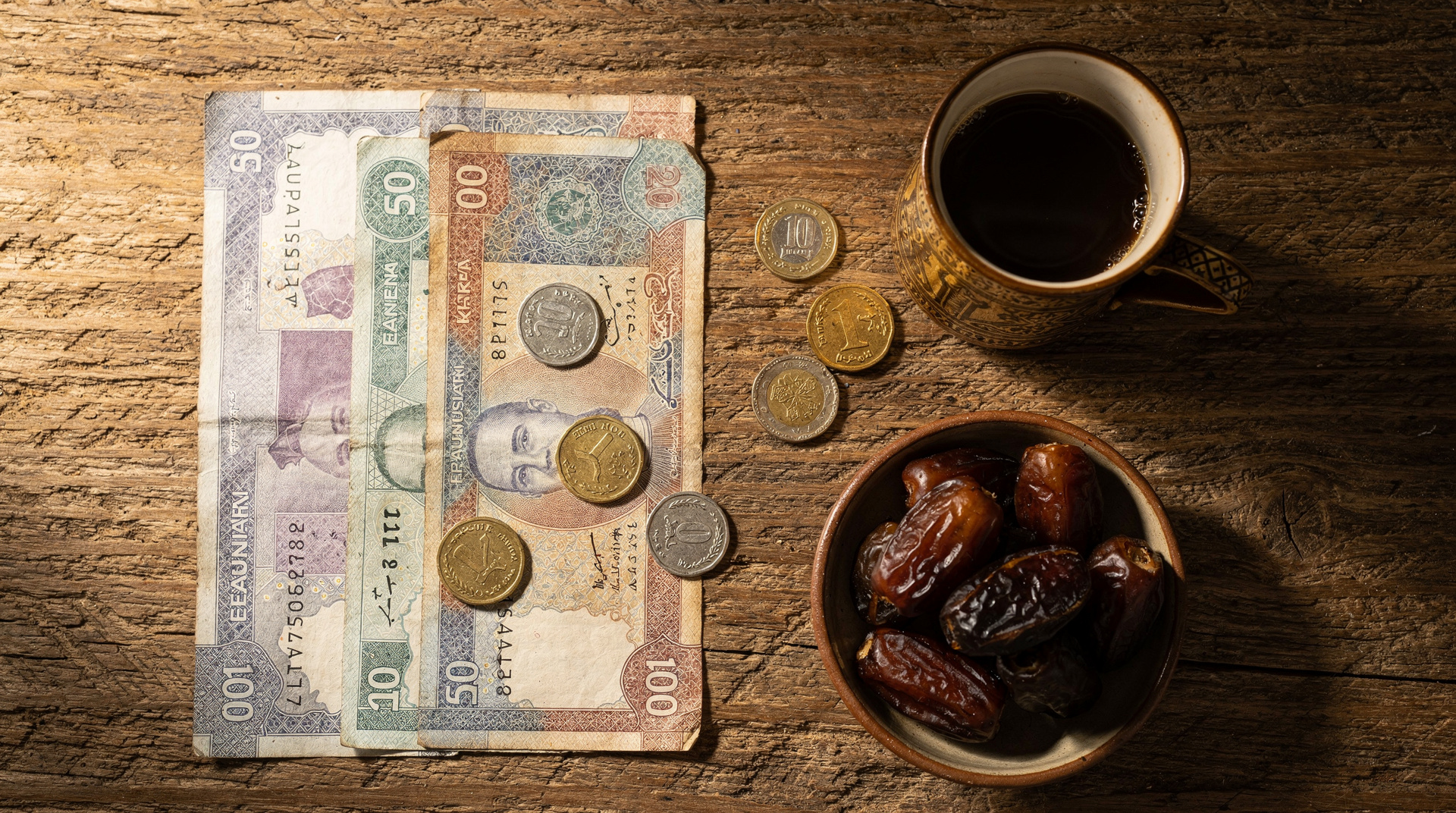
For visitors, Iftar is one of the most compelling experiences Ramadan offers. Hotels run dedicated Iftar buffets — often elaborate, festive, and excellent value. Typical pricing in Muscat:
Hotel Iftar buffets (per person):
- Budget hotel or smaller property: 8–10 OMR per person
- Mid-range hotel: 10–15 OMR per person
- Five-star property (Shangri-La, Al Bustan Palace): 18–25 OMR per person
These buffets typically include an extraordinary spread of Omani dishes, mezze, grilled meats, fresh breads, sweets, dates, Arabic coffee, and fresh juices. Dates and Laban (salted yoghurt drink) are served first, following the tradition of breaking fast with three dates as the Prophet Mohammed instructed.
Many Omani families extend spontaneous invitations to Iftar — if you receive one, accept. Sharing Iftar with an Omani family is a privilege and an extraordinary cultural experience. Bring a small gift (a box of quality dates, pastries, or fresh fruit) if you have any notice in advance. The hospitality will be warm and the food exceptional.
After Iftar, the city transforms. Restaurants fill, families gather in parks and promenades, street food vendors appear, children stay up late, and the atmosphere is warm, celebratory, and social. Some of the best street food experiences in Oman happen during Ramadan evenings — look for haleem (slow-cooked meat stew), luqaimat (sweet dumplings drizzled with date syrup), and fresh sharbat (sweet drinks).
Specific Restaurant Recommendations During Ramadan
During Ramadan, the restaurant landscape shifts but does not disappear. Here is what to expect in Muscat:
After Iftar dining:
- Bait Al Luban (Old Muscat): Opens after Iftar, traditional Omani cuisine on a rooftop terrace overlooking the Corniche. Exceptional atmosphere during Ramadan evenings. Reservations strongly advised.
- Kargeen Caffe (Al Khuwair): Open post-Iftar, a favourite among Omanis for shisha and traditional snacks in an outdoor garden setting. The atmosphere during Ramadan evenings is wonderful.
- Al Angham (Royal Opera House complex): Premium Omani fine dining. Opens after Iftar during Ramadan. The definitive Omani cuisine experience in the capital.
- The Grand Hyatt Muscat Iftar tent: Seasonal Ramadan tent set up in the hotel grounds — a popular institution with Muscat’s expat and Omani community alike.
Hotel restaurants for daytime dining: Hotel restaurants remain available throughout the day. Most screen the dining area from public view with curtains or dividers. These are discreet but fully functional. The Al Bustan Palace, Shangri-La, and Grand Hyatt all maintain daytime dining service for guests.
A half-day Muscat city tour during Ramadan is an excellent way to see the key sites in the morning (when attractions are open and the temperature is comfortable) while a local guide provides context on the cultural significance of what you are experiencing.
Suhoor: The Pre-Dawn Meal
Suhoor is the meal eaten before dawn prayer — the last meal before the fast resumes. Hotel restaurants serve Suhoor in the early morning hours (typically 2–4am). For light sleepers or night owls, joining Suhoor at a hotel restaurant during Ramadan is a genuinely interesting experience — the meal is quieter, more intimate, and often features simple, sustaining Omani dishes.
Some traditional Omani sweets are particularly associated with Suhoor: halwa (a dense, sweet confection made from ghee, saffron, and rosewater), bread with honey, and thick Arabic coffee.
How Daily Rhythms Change
During Ramadan, the country operates on a different schedule that visitors need to understand to avoid frustration:
- Morning (6am–noon): Quieter than usual. The atmosphere is contemplative. Best time for fort visits and heritage sites — fewer people, cooler temperatures, and a reflective atmosphere.
- Midday (noon–3pm): Very quiet. Heat plus fasting makes this the most subdued period of the day. Most businesses are at minimum capacity. Hotels function normally but the city quietens.
- Late afternoon (3pm–sunset): Anticipation builds as Iftar approaches. Traffic in cities — particularly Muscat — becomes significant in the hour before sunset as everyone rushes home or to restaurants for Iftar.
- Iftar to midnight: The most active period. Restaurants full, malls open late, families in public parks and promenades, street food vendors, special shopping offers.
- After midnight: Cafes and some businesses stay open until Suhoor time. The social life of Ramadan continues well past midnight.
For visitors, the practical implication is to plan outdoor heritage visits in the morning, carry water in your bag but drink in your car or hotel, and plan all restaurant dinners for after Iftar.
Activities That Work Well During Ramadan
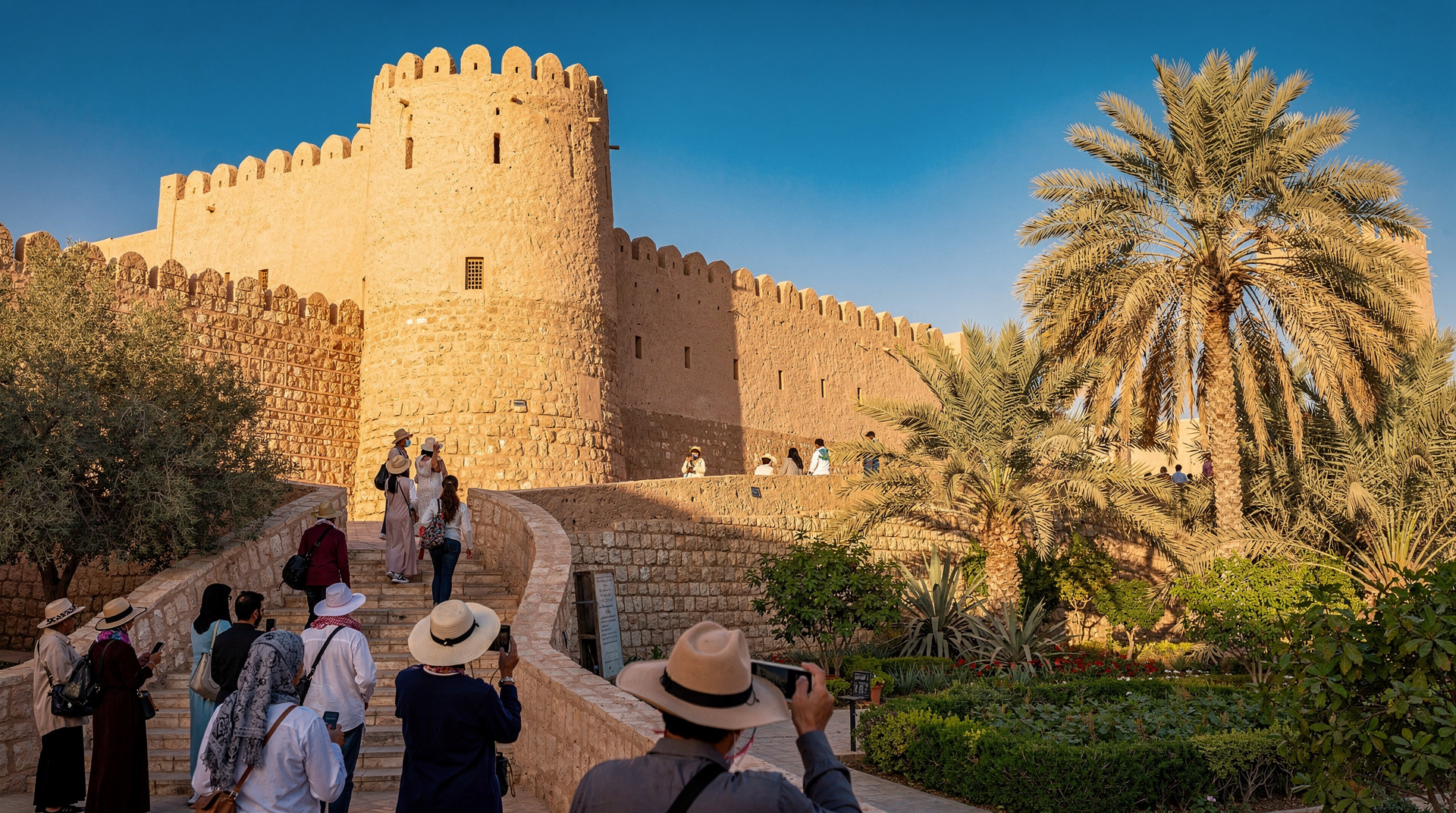
Fort visits (morning): Almost exclusively outdoor and walking — no eating required at the site. Forts like Nizwa, Jabrin, and Bahla are best visited in the morning. The quieter atmosphere during Ramadan actually enhances the heritage experience. For logistics on reaching these forts, see our getting around Oman guide.
Wadi hikes (morning): Manageable in the morning. Carry water in your bag and drink it in the car before setting out, or on the trail where others cannot easily see. Return before midday for longer hikes.
Museum visits: Excellent Ramadan activity. Indoor, cool, educational, and often less crowded than peak season. The National Museum of Oman is particularly rewarding.
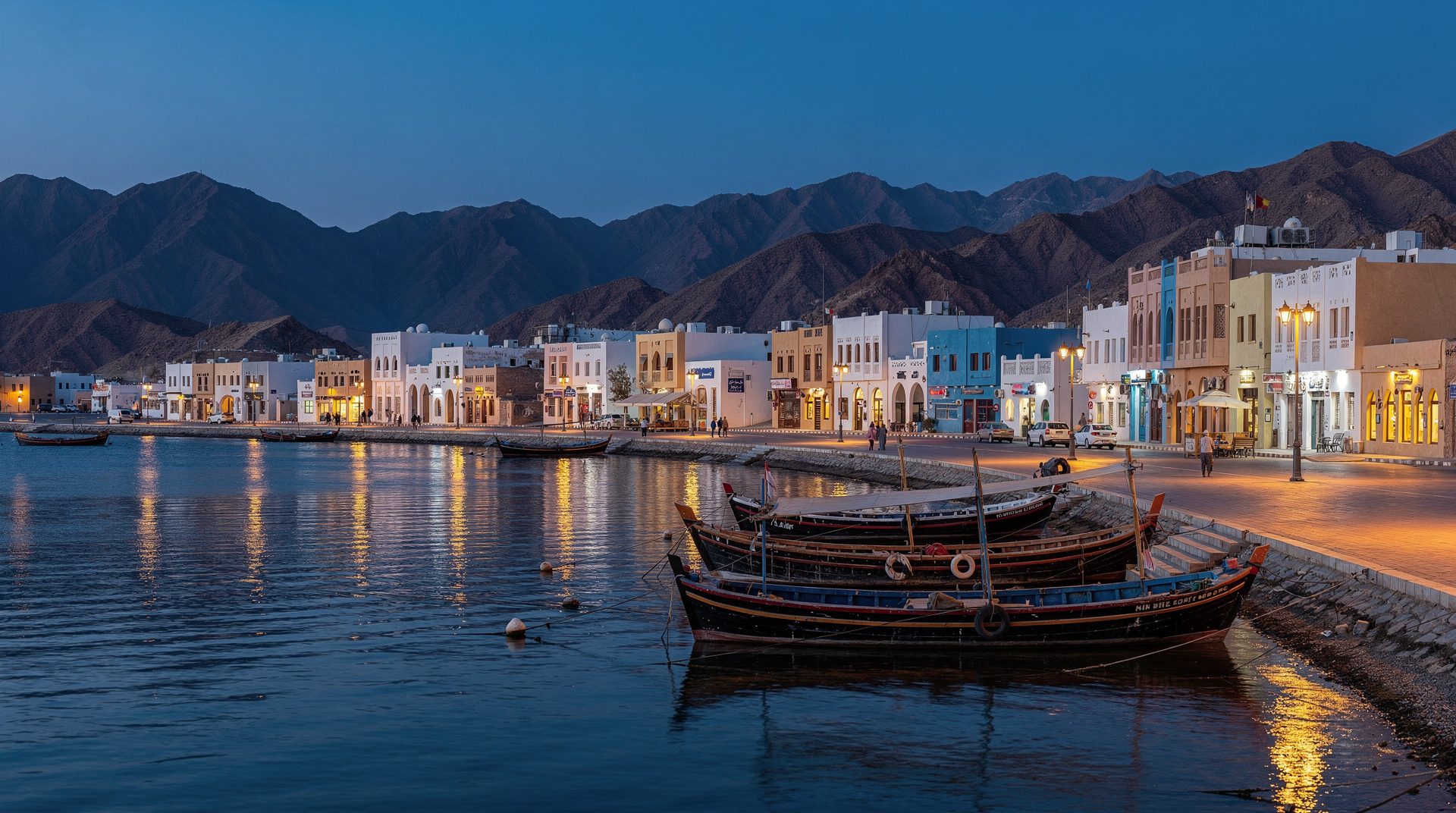
Muttrah Souq (evening): The old souq in Muscat comes alive in Ramadan evenings after Iftar — vendors extending hours, families browsing, the fragrance of frankincense and perfume mingling with the evening sea air. One of the most atmospheric souq experiences of the year.
Desert camping (evening arrival): Drive to the Wahiba Sands in the late afternoon, arrive after Iftar, eat at the camp, spend the night under stars. Ramadan desert nights are magical — the sky is extraordinary and the quietness of fasting days makes the contrast of the vibrant evening camp all the more striking.
The Sultan Qaboos Grand Mosque: The mosque is particularly atmospheric during Ramadan. Non-Muslims can visit on the usual schedule (mornings, not Fridays). Seeing Muslims perform Wudu (ritual purification washing) and prepare for prayer carries particular weight during Ramadan.
Tarawih prayers (evening): These special Ramadan evening prayers are held in mosques after the Isha prayer. While non-Muslims do not attend the prayer itself, walking in a Muscat neighbourhood during Tarawih — hearing the Quranic recitation echoing through quiet streets — is deeply atmospheric and one of the more genuinely memorable experiences of Ramadan travel.
Ramadan Cultural Do’s and Don’ts
Do:
- Accept dates, water, and food at Iftar time, even from strangers — refusing is rude
- Dress more conservatively than usual throughout Ramadan (see our Oman packing list for modest clothing guidance)
- Greet Muslims with “Ramadan Kareem” (generous Ramadan) — you will receive a warm and enthusiastic response
- Plan meals for your hotel room, car, or after Iftar
- Experience an Iftar buffet at an Omani hotel at least once
- Lower your voice and be generally more subdued in public during fasting hours
- If invited to a family Iftar, accept with genuine gratitude — this is a rare privilege
Do not:
- Eat, drink, or smoke in public during daylight hours — this is both illegal and disrespectful
- Play loud music in public or from your car
- Show excessive physical affection in public (this applies year-round but is especially important during Ramadan)
- Criticise or comment negatively on the fasting observation to Omani people
- Assume all restaurants will be open — always plan alternatives
- Schedule any government administrative tasks (visa extensions, permits) during Ramadan without extra time buffer — offices operate on reduced hours
Packing and Preparation for Ramadan
Water strategy: You can drink water inside your car, hotel room, and hotel restaurants. In public — on the street, at a fort, on a wadi hike — you cannot. For outdoor excursions in the mild winter/spring weather of early 2026, this is manageable. Drink fully before leaving your hotel. Carry a water bottle in your bag and return to your car to drink. For longer wadi hikes, either time your activity to end before you truly need to drink in the open, or carry water discretely.
Food for daytime: Pack snacks from the hotel breakfast or supermarket and consume them in your hotel room, rental car, or other private settings before heading out. Hotels will often provide packed lunches for guests on request during Ramadan.
Dress: More conservative clothing than usual during Ramadan is advisable — covered shoulders and knees are especially important. The heightened religious atmosphere makes visible skin more likely to cause offence.
Timing flexibility: Build extra time into all plans. Queues, service times, and general pace slow during Ramadan. A transaction that takes 10 minutes normally might take 20.
Is Ramadan a Good Time to Visit Oman?
Honestly: Ramadan is not the optimal time for most first-time visitors who want maximum flexibility in dining and outdoor activity. The restaurant situation requires planning, and some tourist services operate at reduced capacity.
However, for visitors interested in cultural immersion, the Ramadan experience is genuinely unique and deeply rewarding. Crowds at major attractions are lower. The evening atmosphere in Muscat is festive and warm. Iftar buffets are often extraordinary quality at surprisingly reasonable prices. And witnessing a country united in a shared spiritual observance — with all the beauty, discipline, and community that entails — creates memories that transcend typical tourism.
The practical compromises are manageable with preparation. The cultural richness is real. For more on timing your visit, our best time to visit Oman guide covers the full year.
Frequently asked questions about Visiting Oman During Ramadan: What to Know
Can I eat in my hotel room during Ramadan in Oman?
Yes, completely. Your hotel room is private space. You can eat and drink normally inside your room, in hotel restaurants (which operate for guests all day, typically behind screened areas), and in any licensed venue. The restriction applies only to public spaces like streets, parks, and attractions.
Do any restaurants stay open during the day in Ramadan?
Some tourist-area restaurants and hotel dining rooms operate during the day, typically screened from public view. Availability varies by establishment and changes daily. Always check with your hotel for daytime dining options — hotel restaurants are the most reliable. Petrol station convenience stores also sell food and snacks, which you can consume in your car.
Will attractions be open during Ramadan in Oman?
Yes. All major tourist attractions — forts, the Grand Mosque, national museum, natural sites, wadis — remain open during Ramadan on their normal schedules or with slight modifications to hours. Some government-run sites may close slightly earlier in the afternoon. Heritage forts like Nizwa and Jabrin are unaffected.
Can I drink alcohol during Ramadan in Oman?
Alcohol is available in licensed hotel bars and restaurants during Ramadan, but typically only after Iftar — during the day, even licensed venues often stop alcohol service. Oman is not as restrictive as some neighbouring Gulf states, but hotels exercise discretion. A glass of wine with your post-Iftar hotel dinner is possible.
Can I travel Oman independently during Ramadan?
Yes. Self-drive road trips work very well during Ramadan — you can eat and drink normally in your car. Petrol stations are open. The main adjustment is carrying your own food for daytime excursions, planning restaurant stops for the evening, and factoring in slightly reduced service at some attractions and offices.
Should I avoid visiting Oman during Ramadan?
Not necessarily. If your priorities are outdoor adventures, heritage sites, and cultural immersion, Ramadan is workable and often culturally enriching. If your priorities include flexible daytime dining, alcohol availability, and full-capacity service hours, consider visiting outside Ramadan — October to November or April are excellent alternatives with good weather. See our Oman in winter guide for the broader seasonal context.
What is “Eid al-Fitr” and does it affect travel?
Eid al-Fitr marks the end of Ramadan — a three-day national holiday celebrated with family gatherings, new clothes, gifts, and mosque prayers. Many businesses and attractions close for the first 1–2 days of Eid. Arriving at the start of Eid can mean limited services. However, the festive atmosphere throughout the country is extraordinary and welcoming to visitors who happen to be present — the warmth and celebration of Eid is something tourists remember vividly. If you are in Muscat at Eid, try to be near the Grand Mosque area in the morning for the communal Eid prayers.
How do I find iftar buffets in Muscat?
All major hotels in Muscat run dedicated Iftar buffets throughout Ramadan. The Shangri-La Barr Al Jissah, Al Bustan Palace (Ritz-Carlton), Grand Hyatt Muscat, and Hilton Muscat all offer well-regarded Iftar spreads. Book by phone or through the hotel website a day or two ahead — popular hotel Iftars fill up, especially on weekends.