3-Day Muscat Express: City, Culture & Daymaniyat Islands
The Best of Muscat in Three Days
Three days in Muscat sounds modest, but it is enough to fall completely in love with Oman’s capital. This is a city that rewards the curious traveler with layers of character — ornate Islamic architecture, a labyrinthine waterfront souq that has traded for centuries, calm turquoise waters teeming with marine life, and a pace of life that feels genuinely relaxed despite the city’s scale.
This itinerary is designed as a self-drive loop based out of Muscat, though all activities can also be joined as guided tours if you prefer not to rent a car. On Day 1 you explore the capital’s major landmarks. Day 2 combines the best of the old harbour district at Muttrah with an unforgettable sunset at sea. Day 3 takes you offshore to the Daymaniyat Islands, one of the finest snorkeling destinations in the Arabian Peninsula.
Best time to visit: October through March, when temperatures sit between 20°C and 30°C. April and September are manageable. The summer months (May–August) bring extreme heat above 40°C.
Getting around: A rental car costs around 15–25 OMR per day (roughly 40–65 USD). Taxis and ride-hailing via the Mwasalat app work well within the city. All three days are entirely manageable without a 4WD — standard sedans are perfectly fine throughout.
Day 1: Grand Mosque, Royal Quarter and Al Mouj
Morning: Sultan Qaboos Grand Mosque
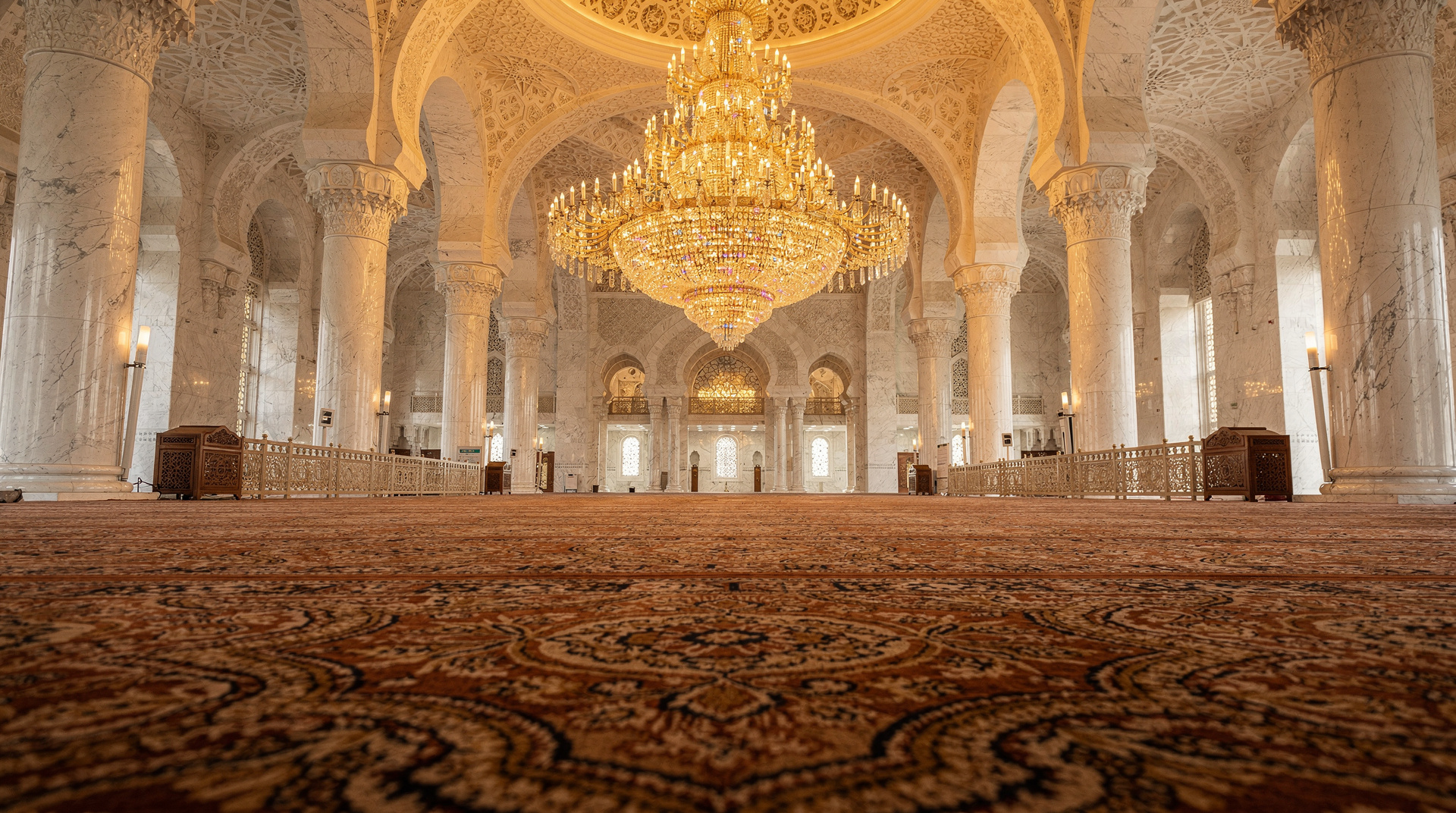
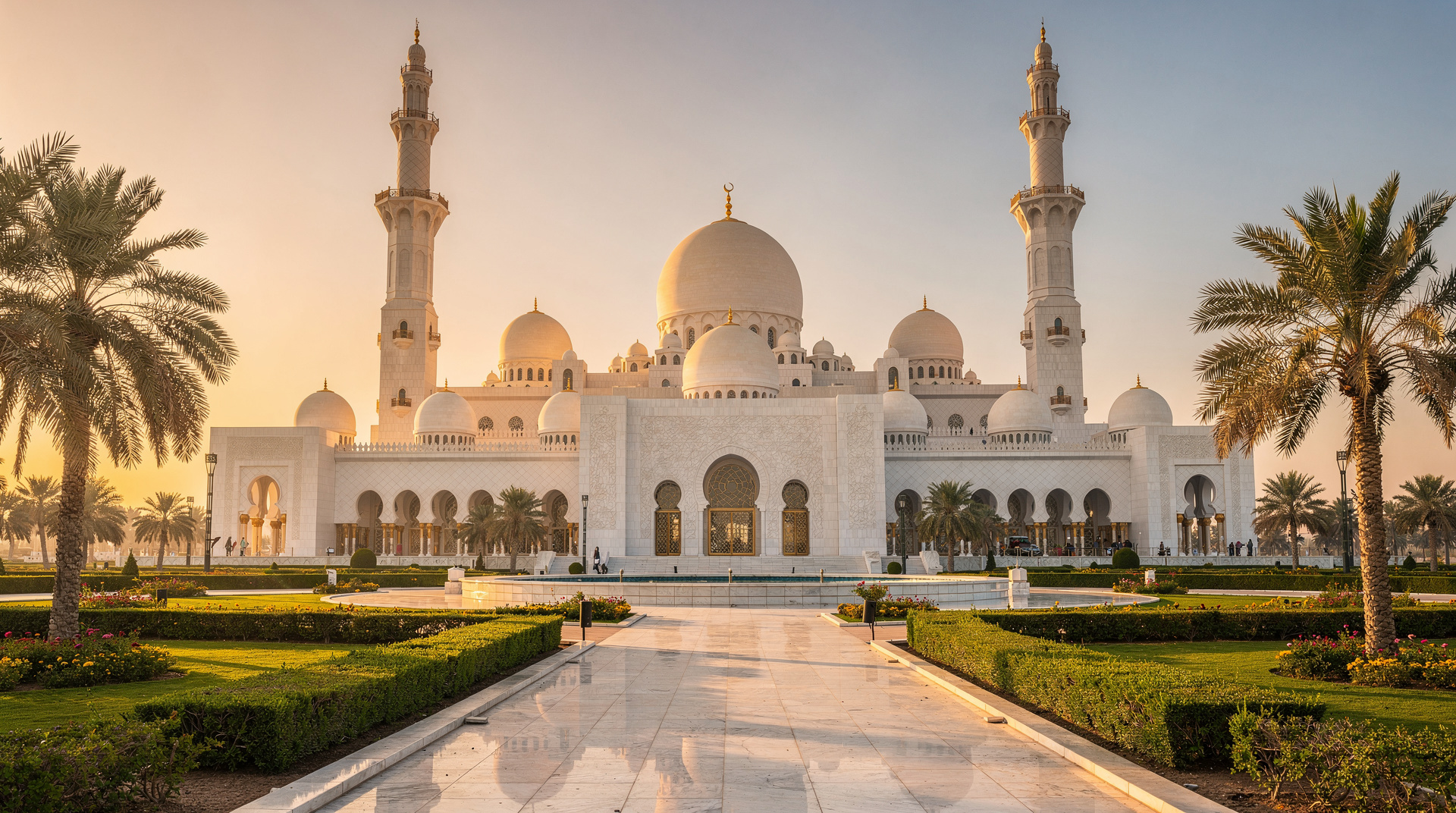
Begin your first day with an early visit to the Sultan Qaboos Grand Mosque, Oman’s most magnificent building and arguably the most beautiful mosque in the Arab world. Non-Muslim visitors are admitted Saturday through Thursday from 8 AM to 11 AM, so arrive by 8:15 AM to beat tour groups and enjoy the prayer hall in relative tranquility.
The mosque is a gift from the late Sultan Qaboos to his people, completed in 2001 after six years of construction. Inside the main prayer hall, two records hold: one of the world’s largest hand-knotted Persian carpets (21 tonnes, over 1.7 billion knots) and a chandelier of Swarovski crystals measuring 14 metres tall. Women must cover their hair and wear loose clothing; abayas are available to borrow at the entrance. Entry is free.
Allow 90 minutes minimum. Photography is permitted in all public areas. The gardens alone are worth 20 minutes of wandering.
Dress code is strict: both men and women should dress modestly. Shorts, sleeveless tops and tight clothing will result in being turned away.
Mid-Morning: The Royal Opera House
A short 10-minute drive from the mosque brings you to the Royal Opera House Muscat, opened in 2011 and considered one of the finest performing arts venues in the Middle East. Even if you are not attending a performance, the building is worth admiring from the outside. Check the schedule online — tickets for evening performances range from 5 to 50 OMR depending on the show.
Lunch: The Waterfront at Al Mouj Marina
Drive 15 minutes east along the coast to Al Mouj Marina, Muscat’s most polished waterfront district. Here you will find a relaxed cluster of restaurants with views over the bobbing sailing boats. Kargeen Caffe on the marina offers excellent Omani mezze, grilled seafood and fresh juices in an open-air courtyard setting. Budget around 6–10 OMR per person for a generous lunch.
Afternoon: Riyam Park and the Corniche
After lunch, take a slow drive along the Muscat Corniche, the scenic coastal road linking Al Mouj to Old Muscat. Pull over at Riyam Park — recognizable by the giant incense burner replica — for photographs over the bay.
Continue to Old Muscat and the Al Alam Palace, the Sultan’s ceremonial palace. You cannot enter, but the palace facade — gleaming blue and gold, framed by two ornate towers — makes for exceptional photos. The whole ceremonial forecourt is open to visitors at no charge. Adjacent to the palace are the Mirani and Jalali Forts, Portuguese fortifications from the 16th century that now serve as military posts. The exterior view from the palace square is free.
Evening: Dinner in Old Muscat
For dinner, return towards the city center and try Bait Al Luban in Ruwi, a classic Omani restaurant serving traditional rice dishes, shuwa (slow-cooked spiced lamb), and halwa dessert. Mains run 4–8 OMR. Alternatively, the string of Indian restaurants along Bank Street in Ruwi offer excellent biryani and curries for 2–3 OMR a plate — a genuine Muscat local experience.
Day 2: Muttrah Souq, City Tour and Sunset Dhow Cruise
Morning: Muttrah Souq and Corniche Walk
Wake up early and head to Muttrah, Muscat’s old harbour district, arriving by 9 AM before the heat builds. The Muttrah Corniche is one of the most photogenic waterfronts in the Gulf — a sweeping arc of white buildings backed by jagged mountains, with traditional wooden dhows moored in the bay.
Spend an hour in Muttrah Souq, one of the oldest covered markets in the Arab world. The narrow lanes wind past stalls selling frankincense, rose water, silver Khanjar daggers, embroidered textiles, and dates. Bargaining is expected and half the fun. A bag of frankincense costs 1–3 OMR; a decorative Khanjar from 15 OMR upwards. The souq opens from around 9 AM, though some stalls don’t fully set up until 10 AM.
For the full context of what you are seeing, book the guided half-day city tour with GetYourGuide which covers Muttrah, the old palaces, and key viewpoints with expert local commentary: Half-Day Muscat City Tour — Old Town, Muttrah and Palaces (from 20 USD per person in 2026).
Lunch: Fish Market Restaurant
Walk five minutes from the souq to the Muttrah Fish Market, where you can pick fresh catch from the morning’s haul and have it grilled on the spot at the adjoining simple restaurants. This is the most local, most affordable lunch in Muscat — expect to spend under 3 OMR for a full plate of grilled fish with rice and salad. Arrive by noon before the best fish sells out.
Afternoon: Qurm Nature Reserve and Beach
After lunch, drive 20 minutes west to Qurm Beach and the adjacent Qurm Nature Reserve, a mangrove lagoon that provides a tranquil escape from the city. The reserve has a short boardwalk and is a good spot for birdwatching. The beach itself is clean and calm — a good spot for a swim in the afternoon.
Nearby, Qurum Beach Hotel has a pleasant pool bar area open to non-guests for a small charge, a welcome option on hotter days.
Evening: Sunset Dhow Cruise
This is the highlight of Day 2 and one of the most memorable experiences in Muscat. A traditional wooden dhow glides out of the harbour at sunset, with the city and the Al Hajar mountains painted gold behind you. Most cruises run approximately 2 hours and include light refreshments.
Book in advance to secure your spot: Sunset Dhow Cruise in Muscat (from 25 USD per person in 2026). The boats typically depart from Muttrah harbour around 4–5 PM depending on the season.
After the cruise, dinner at Automatic Restaurant near Ruwi — a beloved Lebanese chain ubiquitous across Oman — offers exceptional shawarma and mixed grills at very reasonable prices (3–6 OMR per person). It is open late and busy with locals, which is always a good sign.
Day 3: Daymaniyat Islands Snorkeling
Morning: Transfer to Bandar Jissah or Al Sawadi
The Daymaniyat Islands are a protected nature reserve approximately 60 km northwest of Muscat, an archipelago of nine uninhabited limestone islands surrounded by some of the clearest water and healthiest coral reefs in the Arabian Sea. Snorkeling here is world-class — you will encounter sea turtles, reef sharks, rays, and an extraordinary diversity of tropical fish.
Book your snorkeling trip in advance as places fill quickly: Daymaniyat Islands Snorkeling Trip from Muscat (from 45 USD per person in 2026, including equipment, boat transfer and guide).
Boats typically depart from Al Sawadi Beach or Bandar Jissah, a 45–60 minute drive from central Muscat. Departure is usually around 8–9 AM to make the most of calm morning waters. The boat ride to the islands takes 30–45 minutes.
What to bring: Reef-safe sunscreen (non-reef-safe is banned in the reserve), a rash guard or wetsuit for cooler months, snacks, and plenty of water. Equipment is provided on the tour but bringing your own mask ensures the best fit.
On the Islands
Most snorkeling tours stop at two or three sites around different islands. Common sightings include hawksbill and green sea turtles (very common — almost guaranteed), lionfish, moray eels, parrotfish, and nurse sharks resting on sandy bottoms. Coral coverage is excellent, particularly on the western sides of the islands.
Photography underwater requires a waterproof case or an action camera. Touching coral or marine animals is prohibited — rangers actively enforce this.
Lunch is usually a simple packed meal or barbecue on the beach provided by the tour operator.
Afternoon: Return and Wind Down
Boats return to shore by early afternoon, typically 2–3 PM. If you have energy remaining, the Wave Muscat complex is a 30-minute drive south and has a pleasant beach club. Otherwise, use the afternoon to revisit your favourite souq stalls, pick up frankincense at Dhofar Frankincense shops near Muttrah, and prepare for your departure.
For a final dinner, Ubhar Restaurant near Al Khuwair serves elevated Omani cuisine in a beautiful setting — think candlelit courtyard dining with dishes like Omani lobster, slow-cooked lamb on saffron rice, and Dhofari halwa for dessert. Budget 15–25 OMR per person.
Where to Stay in Muscat
Budget (under 30 OMR / night):
- Al Falaj Hotel — A longtime Muscat institution in Ruwi with a large pool, solid rooms and good restaurant. Around 25–30 OMR/night.
- Majan Continental Hotel — Central location, reliable rooms, affordable rates around 22–28 OMR/night.
Mid-Range (30–70 OMR / night):
- Crowne Plaza Muscat OCEC — Modern rooms, excellent pool, 5 minutes from the Grand Mosque. 45–65 OMR/night.
- Hormuz Grand Hotel — Excellent location near the Corniche, rooftop pool, smart rooms. 40–55 OMR/night.
Splurge (70+ OMR / night):
- The Chedi Muscat — One of the finest hotels in the Gulf, with enormous lap pool, pristine gardens, and private beach. 120–200 OMR/night.
- Al Bustan Palace, A Ritz-Carlton Hotel — Built into a mountain bay south of the city, palatial interiors, private beach. 150–250 OMR/night.
Practical Information
Driving distances from Muscat:
- Muscat city center to Grand Mosque: 12 km / 20 minutes
- Muscat center to Muttrah: 4 km / 10 minutes
- Muscat center to Al Sawadi (Daymaniyat departure): 55 km / 50 minutes
Visa: Most nationalities can obtain a visa on arrival or e-visa online. Cost is approximately 20 OMR.
Currency: Omani Rial (OMR). 1 OMR = approximately 2.60 USD as of 2026. Cards are widely accepted in Muscat.
Tipping: Not mandatory but appreciated — round up restaurant bills or leave 1 OMR for good service.
For more information on planning your Muscat visit, see our complete Muscat destination guide and the Grand Mosque visitor guide.
Packing List for Three Days in Muscat
Muscat is a conservative Muslim city and dressing appropriately is both respectful and legally required in religious sites. Here is what to pack:
Clothing:
- Lightweight, loose-fitting clothes that cover shoulders and knees for men and women
- A scarf or shawl for women (essential for the Grand Mosque, and useful at other sites)
- Comfortable walking shoes — the Muttrah Corniche and Daymaniyat boat involve significant walking
- Flip-flops or water shoes for the snorkeling day
- A light jacket for the dhow cruise (evenings on the water can be cool October–March)
Gear:
- Reef-safe sunscreen — non-reef-safe products are banned at the Daymaniyat Islands Nature Reserve and rangers enforce this strictly. Brands like Reef Repair, Stream2Sea, and Thinksport are available in Muscat pharmacies and online
- A dry bag or waterproof phone case for the boat day
- Snorkel mask (if you have one — otherwise equipment is provided but personal masks give a better seal)
- A reusable water bottle — temperatures in Muscat reach 30°C+ even in winter and hydration is essential
Documents:
- Passport with valid Oman visa (e-visa arranged online, approximately 20 OMR, processed in 24–48 hours for most nationalities)
- Travel insurance documents (recommended for water sports and boat activities)
- Credit card — widely accepted; Mastercard and Visa work everywhere. Some small souq vendors prefer cash
Getting to Muscat
By air: Muscat International Airport (MCT) is served by Oman Air (the national carrier), British Airways, Lufthansa, Air France, Emirates, Qatar Airways, and many others. From London, direct flights with Oman Air take approximately 7.5 hours. From Europe, the hub connections via Doha, Dubai, or Frankfurt are typically 9–12 hours total.
Oman Air operates excellent direct routes from London Heathrow, Frankfurt, Paris, and several other European cities. Their business class product on wide-body aircraft is comparable to the best Gulf carriers and their economy class is well-regarded for long-haul.
At the airport: Muscat International Airport opened a new terminal in 2018 and is efficient and well-designed. The visa-on-arrival counters are fast for eligible nationalities. Car rental desks for Avis, Hertz, Budget, Europcar, and local operators are in the arrivals hall. The airport is 30 km from the city center — approximately 25–35 minutes by taxi or Uber (the ride-hailing app works well in Muscat and costs 5–7 OMR to most hotels).
Muscat Neighbourhood Guide
Understanding Muscat’s geography makes navigation much easier — the city is spread along 60 km of coastline and is effectively several distinct districts connected by the coastal highway.
Muttrah: The old harbour district and historical heart. Home to Muttrah Souq, the Corniche, and the fish market. The most atmospheric area of the city and the best for walking.
Old Muscat (Muscat proper): The historic old city containing Al Alam Palace, Mirani and Jalali Forts, and several museums. Small and walkable, with excellent photography opportunities.
Qurum: The main residential and restaurant district. Qurum Beach is here — a long strip of public beach popular with expats and local families on weekends.
Al Khuwair: Commercial and diplomatic quarter. Home to several embassies and the better shopping malls including City Centre Qurum and Al Araimi Boulevard.
Al Mouj (The Wave): The most polished waterfront development, with the marina, international restaurants, and direct beach access. Very popular with expats and tourists.
Madinat Al Sultan Qaboos (MSQ): Upmarket residential area with several good independent restaurants.
What to Buy in Muscat
Frankincense: Dhofar province produces the world’s finest frankincense and it is sold in every souq in Muscat. The resins range from pale green (the most prized, called al-Hojari) to amber and brown grades. A good bag of Hojari frankincense costs 3–8 OMR. Buy a small clay or metal burner (2–3 OMR) to use it at home.
Omani halwa: The national sweet — a dense, gelatinous confection of rosewater, saffron, nuts, and sugar. Available in specialty shops throughout the city; Hamra Al Duru and Al Amira Sweets are reliable brands. A 500g box costs 2–4 OMR.
Silver jewelry and Khanjar daggers: The Khanjar, the curved ceremonial dagger worn by Omani men on formal occasions, appears on the national flag and is the most distinctively Omani purchase. Genuine handmade examples from Nizwa start at 40 OMR; decorative souvenir versions in Muttrah start at 8 OMR. Silver bracelets, anklets, and necklaces with traditional Omani geometric patterns are beautiful and reasonably priced.
Rose water and rose products: From Jebel Akhdar, available in the nicer souvenir shops. Genuine Omani rose water (not the synthetic version) is extraordinary — pure, intensely fragrant, and usable in cooking, skincare, and as a room fragrance.
Dates: Oman produces over 200 varieties of date. Look for Fardh, Khalas, and Khunaizi varieties. Buy vacuum-packed bags at the airport or any Lulu Hypermarket for 2–5 OMR.
Three-Day Muscat Cost Breakdown
| Category | Budget | Mid-Range | Luxury |
|---|---|---|---|
| Accommodation (2 nights) | 44–56 OMR | 80–130 OMR | 240–400 OMR |
| Car rental (3 days) | 45–60 OMR | 55–75 OMR | 90–150 OMR |
| City tour (optional) | — | 20 USD (~8 OMR) | 120 USD (~46 OMR) |
| Dhow cruise | 25 USD (~10 OMR) | 25 USD (~10 OMR) | 200 USD (private) |
| Daymaniyat snorkeling | 45 USD (~17 OMR) | 45 USD (~17 OMR) | 150 USD (private) |
| Food (3 days) | 20–30 OMR | 40–60 OMR | 90–150 OMR |
| Entry fees | 5–8 OMR | 5–8 OMR | 5–8 OMR |
| Total per person | 141–181 OMR | 205–308 OMR | 575–954 OMR |
All prices in Omani Rial (OMR) and USD equivalents for tours. 1 OMR = approximately 2.60 USD as of 2026.
Extending Your Trip
Three days in Muscat leaves you wanting more, which is the best kind of problem to have. The natural extensions from this itinerary:
- Add 2 days for Nizwa Fort and Jabreen Castle inland — see the 5-Day Oman Highlights itinerary
- Add 4 days for the full northern circuit including Jebel Shams and the Wahiba Desert — see the 7-Day Classic Oman itinerary
- Add a day for a day trip to Wadi Shab and Bimmah Sinkhole (130 km from Muscat, easily done as a day trip)
- Add a day for the Royal Opera House — performances run several nights per week during the October–May season and tickets are available at the box office or online
Plan Your Wider Oman Trip
The Muscat destination guide covers everything from airport transfers to restaurant reservations in Oman’s capital. For the signature religious experience, the Sultan Qaboos Grand Mosque complete guide details opening times, dress code, and what to look for in the prayer hall.
If mountains appeal after the city, the Jebel Akhdar destination page covers the Green Mountain in full — rose villages, canyon viewpoints, and the Anantara resort. For Oman’s Grand Canyon hiking route, the Jebel Shams Balcony Walk guide has everything from trailhead coordinates to what to carry.
Plan a longer trip with our 5-Day Oman Highlights itinerary, the 7-Day Classic Oman road trip, or the 10-Day Grand Tour adding the Musandam Peninsula. Families should read the dedicated Family Oman itinerary. For a no-compromise luxury experience, the Luxury Oman guide covers Alila, Six Senses, and private tours in detail.