Rock Climbing in Oman: Al Hajar's World-Class Limestone Crags
Is Oman good for rock climbing?
Yes. The Al Hajar mountains offer exceptional limestone climbing with warm winter conditions, established sport and trad routes, and spectacular mountain scenery.
Why Climbers Are Discovering Oman
The Al Hajar mountain range running through northern Oman is a limestone climber’s dream — high-quality rock, warm winter conditions when most European crags are frozen, dramatic mountain scenery, and a guidebook tradition still young enough that new routes are being established every season. Climbers who discovered the range two decades ago found themselves in something rare: an undeveloped, high-quality mountain area with almost no other climbers.
That has changed to a degree. The annual Oman Mountaineering Festival, established in 2017, put the country on the international climbing calendar. The existing route database has grown substantially. A small infrastructure of guiding services and accommodation for climbers has developed around the main areas. But compared to the established limestone areas of Europe or the Middle Eastern climbing magnets like Jordan and Israel, Oman remains uncrowded, with rock that still rewards exploration and a mountain landscape that can surprise even experienced climbers.
This guide covers the main climbing areas, the seasonal window, equipment logistics, and what any visiting climber needs to know before getting on the rock.
The Rock: Oman’s Limestone Character
The Al Hajar’s limestone is ancient — Triassic to Cretaceous in age — and has been subjected to tectonic forces that created the extraordinary relief visible today. Peaks exceeding 3,000 metres rise from coastal plains within 50 kilometres. The structural geology has fractured and tilted the limestone into faces, ridges, and canyon walls that provide climbing terrain at every angle from slabs to overhanging caves.
The rock quality varies by location but is generally excellent. The main sport crags and established multi-pitch areas have been cleaned by previous ascents and offer the friction and edge-quality that limestone climbing rewards. The more remote areas have more variable rock — loose sections in gullies, friable features on lesser-frequented faces — that require the additional attention expected in an undeveloped mountain range.
Pockets, edges, and crimps are the dominant hold types. Slabs are common on the longer face routes. The cave systems in several areas produce overhanging routes with the powerful style associated with tufa climbing.
Main Climbing Areas
Wadi Bani Awf and Snake Canyon
The most famous climbing area in Oman and the one with the most concentrated accessible sport routes. The canyon walls of Wadi Bani Awf (see the full off-road and geography guide to Wadi Bani Awf) have been developed over twenty years into a collection of sport routes predominantly in the 5c to 7b difficulty range on the French grading system, with some easier lines for beginner climbers and a handful of harder test pieces.
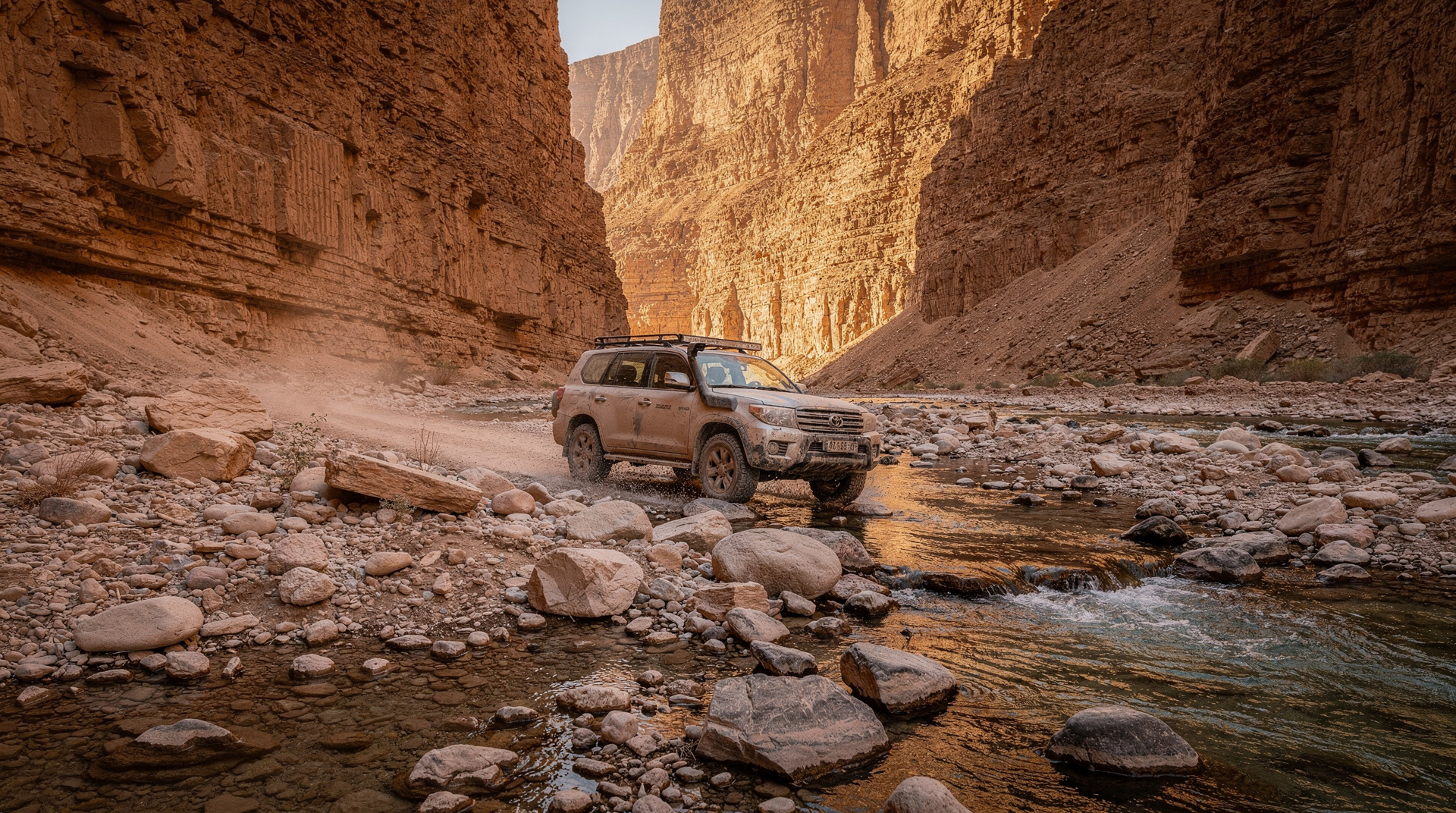
The setting is exceptional. Routes climb the canyon walls with views along the slot canyon in both directions, and the approach involves either the dramatic drive through Snake Canyon or a shorter walk from the upper access point.
The canyon provides natural shade for several hours of the day, making it one of the most viable summer climbing areas in the region — mornings in the shaded sections can be bearable even in May and October. In winter, the morning shade can make the rock cold; wait for the sun to reach the wall before climbing if temperatures are below 12 degrees Celsius.
Jebel Misht and the Ghubrah Bowl
The most dramatic limestone face in Oman. Jebel Misht rises as a massive white limestone wall above the Ghubrah Bowl — a natural amphitheatre in the western Hajar that provides multi-pitch routes of up to 800 metres on consistently excellent rock. The main face routes here are serious undertakings requiring traditional gear placements, competent route-finding, and the commitment that comes with remoteness from any assistance.
The established routes on Jebel Misht’s main face are 5 to 8 pitches in length, rated from 5b to 7a. Descents are by a combination of abseiling and walking. A full day is the minimum time allocation for any of the longer lines; parties have bivouacked on the face by choice and occasionally by necessity.
This is not a beginner climbing area. The approach, the route complexity, and the descent require genuine mountain experience and confidence. But for the experienced alpinist or trad climber seeking a day of serious limestone adventure, Jebel Misht is among the finest objectives in Arabia.
Jebel Akhdar Sport Crags
The high plateau of Jebel Akhdar — the Green Mountain — sits at 2,000 metres and is connected to Nizwa by a paved road that is restricted to 4WD vehicles. The altitude brings cooler temperatures year-round, making this one of the few areas in Oman where summer climbing is genuinely comfortable.
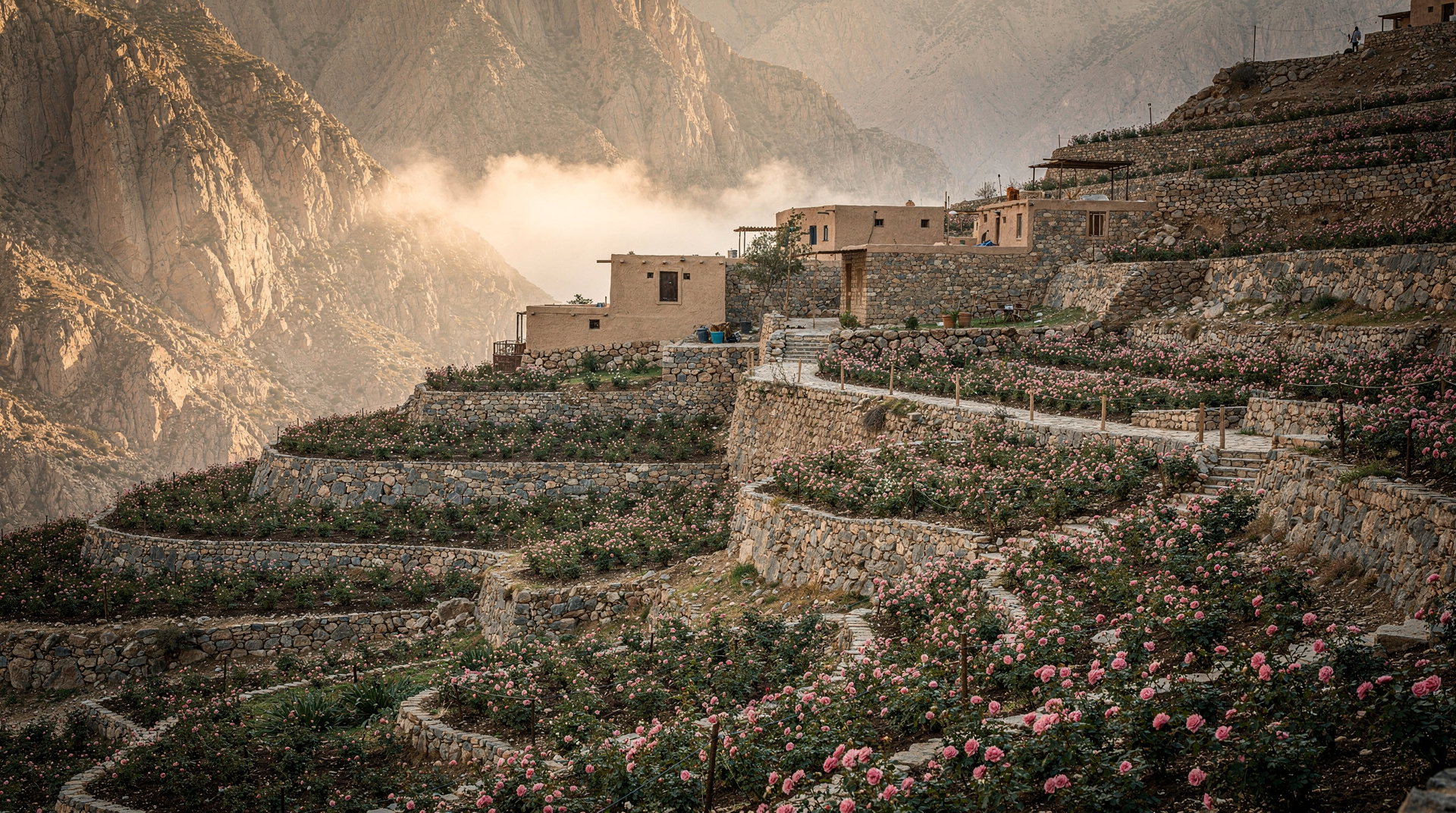
Several developed sport crags on the plateau rim have routes from beginner single-pitch lines to sustained 7c+ test pieces on immaculate limestone. The setting is remarkable — belaying at the edge of a 1,000-metre cliff drop to the wadi below, with the agricultural villages of the Akhdar plateau visible in the opposite direction.
Access requires a 4WD. The Anantara Al Jabal Al Akhdar Resort, perched on the rim, has information on local climbing and occasionally hosts guided climbing days. The complete Jebel Akhdar destination guide at Jebel Akhdar covers the mountain more broadly.
Wadi Nakhr and Geopark Area
The Wadi Ghul area, adjacent to Jebel Shams and designated as part of a UNESCO Global Geopark, has developing climbing infrastructure with sport crags established in accessible locations above the canyon. The scenery here — with the 1,000-metre gorge visible from many routes’ stances — is among the most dramatic of any climbing area in the country.
Route quality is variable as this is an actively developing area. The established lines are mostly 5b to 6c sport routes on the canyon rim. The potential for harder lines and longer multi-pitch routes is considerable and continues to be developed by visiting international climbers.
Rustaq and the Coastal Crags
The limestone outcrops immediately above the coastal plain near Rustaq provide accessible crags within an hour of Muscat. These are lower-altitude, lower-quality venues compared to the main mountain areas, but they serve as convenient training grounds and occasional objectives for Muscat-based climbers.
The sport routes here are predominantly in the accessible difficulty range of 5a to 6b, and the rock, while not exceptional, is consistent. Afternoon shade makes several sectors viable even in the shoulder months.
Guided Climbing and Instruction
Several Oman-based guide services offer climbing instruction and guided routes across the main areas. Absolute Oman, Oman Mountain Guides, and a handful of internationally certified guides operating freelance are the primary options. Guided climbing is strongly recommended for anyone unfamiliar with the terrain and the specific characteristics of Omani limestone.
The Oman Mountaineering Festival in January or February each year brings together international and local climbers, offers beginner courses, and is the most convenient point of entry for those visiting specifically for the climbing scene. The event’s programming typically includes sport climbing, trad introductions, and multi-pitch guided days across the main areas.
Equipment and Logistics
What to Bring
For sport climbing at the developed crags, a standard sport rack of quickdraws (12 to 15), a 60-metre rope, and a 70-metre rope for routes requiring full length descents is sufficient. Climbing shoes appropriate for pocket climbing and some crack work if venturing onto less developed lines.
For trad and multi-pitch routes at Jebel Misht and the longer Jebel Akhdar lines, a standard rack of cams (0.3 to 3 inches) and a selection of nuts, plus double ropes for more complex descents. Study the specific route requirements in the guidebook before packing.
A helmet is essential everywhere. Rockfall risk from above is real on the longer routes and in gullies. The canyon walls at Wadi Bani Awf have loose material in sections that are not on established routes.
Getting to the Crags
Most climbing areas require a 4WD vehicle for the approach tracks. Jebel Akhdar access is restricted to 4WD above the checkpoint. The Wadi Bani Awf canyon drive itself requires low-range 4WD capability.
A rental 4WD from Muscat is the standard approach. All the main climbing areas are between 1.5 and 3.5 hours from Muscat, making them feasible as day trips with early starts or more satisfyingly done with overnight stays near the areas.
Guidebook
Stuart Green’s Oman Rock — now in its second edition — is the definitive guidebook to Omani climbing. It covers all the main areas with route topos, access descriptions, and route descriptions. Any serious visit to Omani crags should be planned with this book. It is available from UK climbing equipment retailers and from some Muscat outdoor shops.
Seasonal Timing
The Climbing Season: October through April
The optimal climbing season aligns with the cool half of the Omani year. From October through April, temperatures in the mountain areas are pleasant — climbing days range from cool in the morning to warm in the afternoon, with the higher areas like Jebel Akhdar requiring light insulation for the approach.
December through February is the peak period for international climbing visitors. The temperatures are ideal, the weather is stable, and the combination of climbing with broader Oman cultural exploration works logistically.
Summer: High-Altitude Climbing Only
From May through September, the coastal and lower mountain crags are too hot for comfortable climbing. Jebel Akhdar at 2,000 metres and above remains viable — temperatures are 10 to 15 degrees cooler than the coast, and shaded morning sectors are climbable before the afternoon heat builds. The canyon areas like Wadi Bani Awf have morning shade sectors that can be climbed in the cooler months of this period.
Rainfall
The Al Hajar receives occasional rainfall from December through March. Wet limestone is extremely slippery and all climbing should be abandoned until the rock dries, which typically takes 24 to 48 hours after rain. Flash flood risk in the wadis is real — do not camp in wadi beds and move to high ground if rain is falling on the mountains above.
Conservation and Responsibility
The Al Hajar climbing areas are remote and the mountain environment fragile. The growing popularity of climbing in Oman makes responsible practices increasingly important.
Carry out all waste. Chalk usage leaves marks that persist — a chalk bag with a chalk ball rather than loose chalk reduces the amount remaining on holds. Bolted routes should be respected as fixed infrastructure and the bolt anchors treated with care. New route development should be coordinated with the established climbing community through the Oman Alpine Club to prevent duplication and to maintain access relationships with landowners.
Frequently asked questions about Rock Climbing in Oman: Al Hajar’s World-Class Limestone Crags
Do I need to be an experienced climber to try climbing in Oman?
Beginners are well served by the easier sport routes at Wadi Bani Awf and the Jebel Akhdar crags, particularly through guided instruction. The multi-pitch and trad routes are suitable only for experienced climbers. Indoor climbing experience is a useful foundation but the transition to outdoor rock requires guidance for the first outings.
Are there indoor climbing walls in Muscat for training?
Yes. Several gyms in Muscat have indoor bouldering and top-rope walls, and the climbing community in Muscat is active. These facilities are useful for acclimatisation to climbing movement before heading to the mountain crags.
What is the hardest route in Oman?
The hardest established sport routes in Oman are in the 8a to 8b range (French grading) at certain projects in the Jebel Akhdar area. The hardest multi-pitch routes on Jebel Misht’s main face have been graded at approximately E4/E5 in the UK trad system. The hard grading benchmark continues to be pushed by active local and visiting climbers.
Is climbing in Oman safe compared to other countries?
The established sport crags are bolted to generally good standards, and the approach hazards are manageable with appropriate preparation. The more serious multi-pitch routes carry the same objective hazards as any mountain environment — route-finding complexity, loose rock in non-cleaned sections, descent complexity, and weather. These are not significantly different from comparable routes in Europe or North America. The heat adds a dimension that does not exist at many other destinations.
Can I bring my own climbing gear into Oman?
Yes. Sporting equipment including climbing gear is permitted without restriction. Chalk bags and rope bags are occasionally inspected at customs but are not prohibited. There is no restriction on any standard climbing equipment.
The Oman Climbing Community
A small but active climbing community exists in Muscat, centred primarily around expatriate residents and a growing number of Omani climbers who have discovered the sport over the past decade. This community organises regular weekend trips to the main crags, maintains some route documentation and development, and is generally welcoming to visiting climbers who make contact through social media channels before arriving.
The Oman Alpine Club is the main organisation coordinating mountain sports including climbing, hiking, and via ferrata in the country. Their social media presence is the most reliable way to connect with current local conditions, recent route additions, and planned club outings. Visiting climbers who reach out in advance often find themselves welcomed on trips with experienced locals who know the terrain in detail.
The international climbing festival, typically held in January, brings together climbers of all levels and provides the most structured access to guided climbing on the main objectives. Workshops cover everything from beginner movement to multi-pitch trad techniques, and the social dimension of the festival creates connections with local climbers that often extend beyond the event.
Connecting Climbing with Broader Oman Adventure
The Al Hajar range that provides the climbing terrain also offers world-class hiking and via ferrata that suits those who want vertical adventure without technical climbing equipment. The Jebel Akhdar via ferrata — a series of protected passages along the canyon rim equipped with fixed cables and iron rungs — is accessible to fit walkers without any technical climbing background.
The combination of a morning climbing session at a sport crag followed by an afternoon at an Omani souq or fort covers both adventure and cultural bases in a single day. The proximity of the main climbing areas to Nizwa, Al Hamra, and Bahla makes this combination logistically simple. See the guide to Al Hamra and Misfat villages for the cultural complement to a mountain climbing day. For those who prefer a protected route with fixed cables rather than unroped climbing, the Al Jabal Al Akhdar via ferrata runs along the canyon rim with iron rungs and safety cables, accessible to fit walkers with no technical climbing experience required.
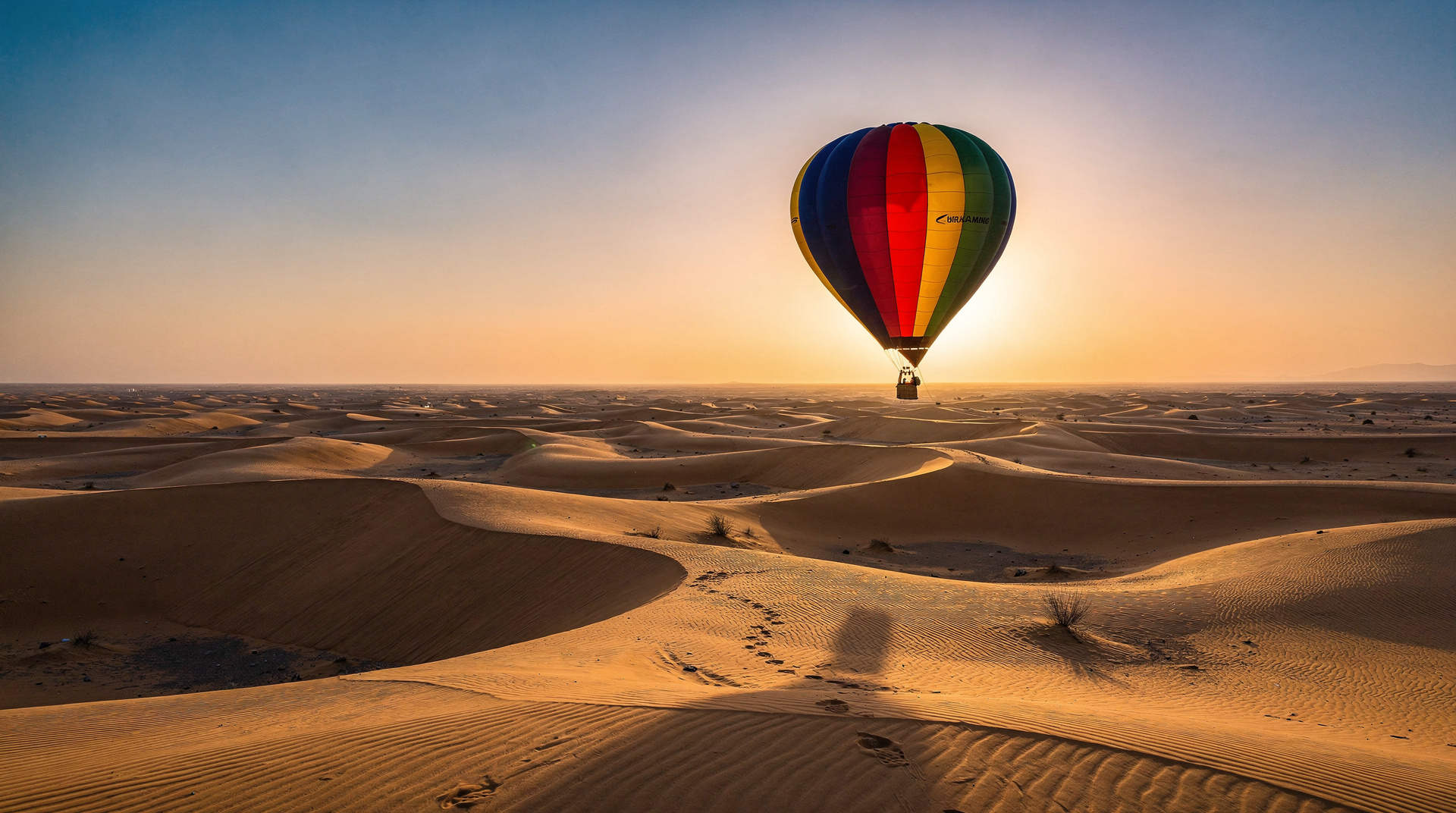
For those exploring the full range of Omani adventure sports, the guide to hot air balloon flights provides an aerial perspective on the same mountain landscape that climbers know from within its walls — a useful counterpoint to the intimate, vertical world of the crags. The Wadi Bani Awf off-road guide covers the canyon approach to Snake Canyon from a driver’s perspective and is essential reading before planning a climbing trip there.