Oman Safety Tips and Cultural Etiquette
Is Oman safe for tourists?
Yes. Oman is one of the safest countries in the Middle East. Crime rates are very low. The main risks are environmental — heat, wadi flash floods, and off-road driving.
Oman: One of the Region’s Safest Travel Destinations
Oman consistently ranks among the safest countries in the Middle East and in the top tier globally for traveller safety. Political stability, low crime rates, and a culture of hospitality towards foreign visitors make Oman an overwhelmingly positive and secure experience for the vast majority of travellers.
That said, every destination has its specific risks, and Oman’s particular combination of extreme heat, remote terrain, and conservative cultural norms means there are important things to know before you arrive. This guide gives you an honest picture of what to be aware of and how to handle it.
Crime and Personal Safety
Petty theft, scams, and violent crime directed at tourists are genuinely rare in Oman. The country has a strong police presence, CCTV surveillance in cities, and cultural norms that strongly discourage dishonesty. Visitors frequently report feeling comfortable walking alone, including women travelling solo.
That said, basic common-sense precautions remain appropriate:
- Keep valuables out of sight in your car and hotel room
- Use hotel safes for passports and excess cash
- In busy souq areas, keep bags on your front or use a money belt
- Be aware in Muscat’s Muttrah Souq — it is busy and bags can be snatch targets, though incidents are rare
Solo women travellers consistently report feeling safe in Oman. Unwanted attention is uncommon compared to many regional destinations. The same street-smart awareness you would apply anywhere applies here.
Environmental Hazards: The Main Real Risks
The genuine risks in Oman are overwhelmingly environmental rather than human. These deserve your serious attention.
Heat and Dehydration
Oman is hot. In summer, Muscat exceeds 40°C with high humidity, and interior regions can hit 50°C. Heat exhaustion and heat stroke are real dangers, not abstract concerns.
Protect yourself:
- Carry and drink at least 3–4 litres of water per day in hot conditions; 6+ litres during physical activity
- Schedule outdoor activities for early morning (before 9am) and late afternoon (after 5pm)
- Wear light-coloured, breathable clothing covering your skin
- Carry rehydration salts — a dehydrated person needs more than water to recover
- Never leave children or animals in a parked car
Signs of heat exhaustion (heavy sweating, weakness, cold or pale skin, nausea, headache) require immediate shade, hydration, and rest. Heat stroke (hot, red, dry skin, rapid pulse, confusion) is a medical emergency — call 9999 (Oman emergency number).
Wadi Flash Floods
This is Oman’s most underestimated danger. Wadis (dry riverbeds) can flash-flood catastrophically with no warning at your location. Rain falling on distant mountains sends a wall of water cascading through the wadi system — you can be standing in bright sunshine when it arrives.
People have died in Oman’s wadis from flash floods, including in popular spots like Wadi Shab and Wadi Bani Awf.
Critical rules for wadi safety:
- Always check the weather forecast for the entire catchment area before entering a wadi, not just for your immediate location
- If the sky looks dark in the mountains above, exit the wadi immediately
- Do not camp in a wadi bottom
- Do not attempt to drive through moving flood water
- Never enter a wadi in or after significant rainfall
During winter months (November to March), Oman occasionally receives heavy rainfall from Mediterranean fronts. This is also when wadi hiking is most popular — extra vigilance is warranted.
Driving Hazards
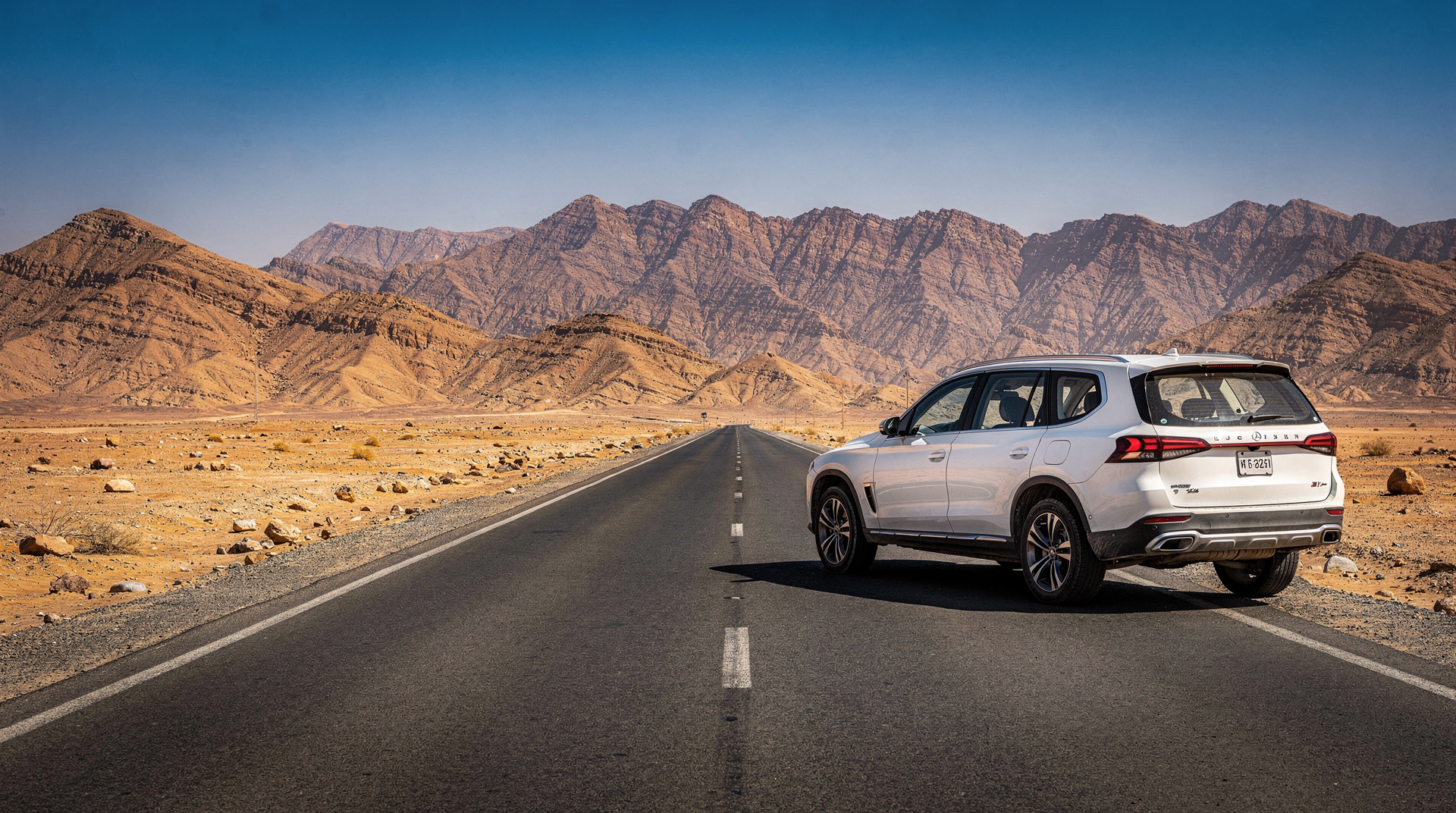
Oman’s road accident rate is significant. The combination of high speed limits, long straight desert highways that encourage drowsiness, and occasional camels on rural roads creates real risk.
Road safety guidelines:
- Obey speed limits — cameras are everywhere and limits exist for genuine safety reasons
- Do not drive at night in rural areas if avoidable — camels, goats, and donkeys are invisible until close
- Take breaks every 2 hours on long highway drives
- Ensure 4WD is engaged before entering sand — getting stuck in a dune field in heat is dangerous
- Reduce tyre pressure for sand driving; re-inflate before returning to paved roads
- Never drive through water of unknown depth in a wadi
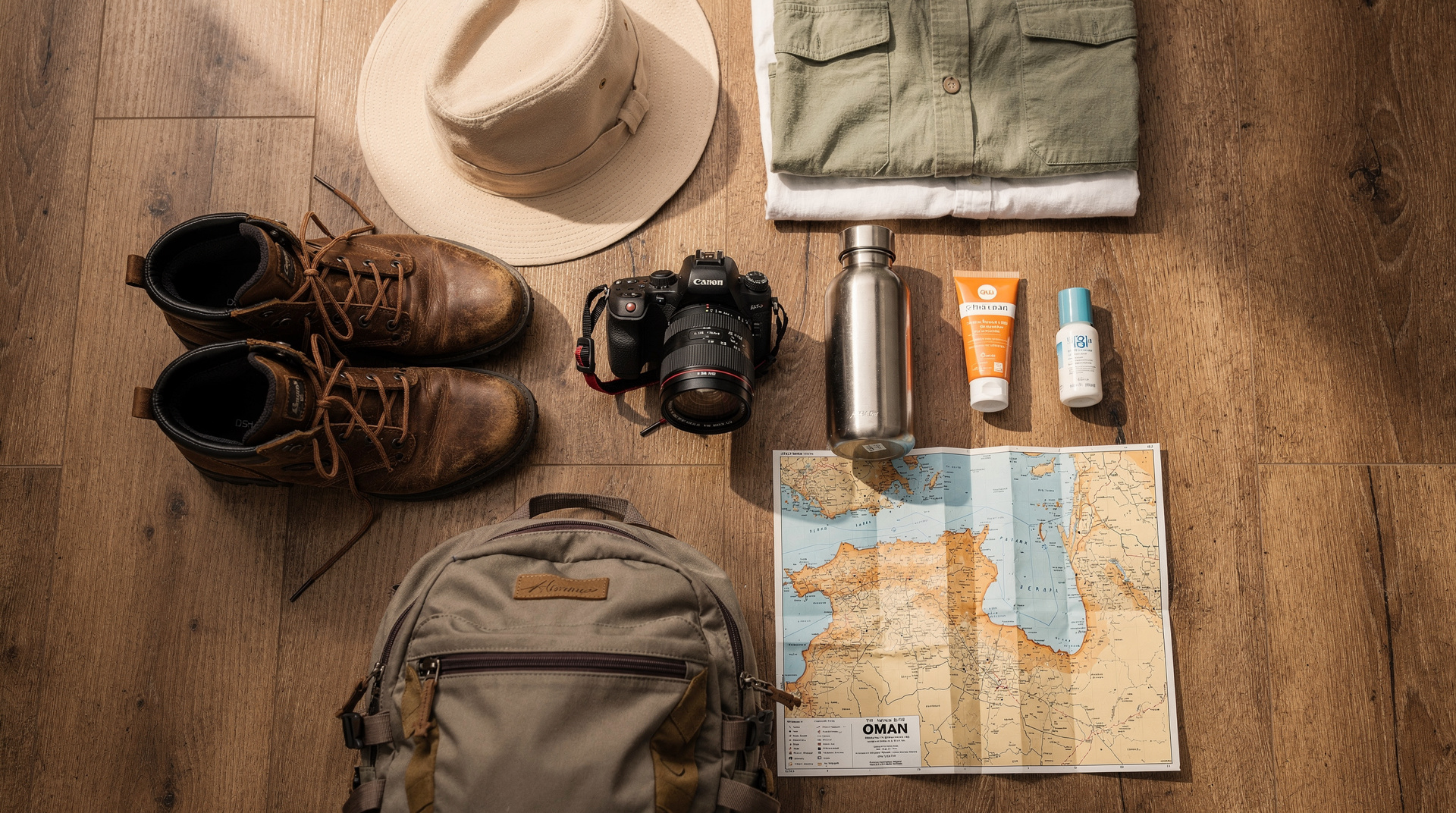
Our Oman car rental guide covers safe 4WD driving techniques in detail. For those who want to avoid driving altogether on their first visit, the packing list guide includes practical advice on what to carry for wadi hikes, desert days, and mountain excursions.
Sun and UV
UV radiation in Oman is extreme. Serious sunburn can happen within 20 minutes at peak sun in summer. Long-sleeve UPF-rated clothing is more reliable than sunscreen for extended outdoor activity. SPF 50+ sunscreen, reapplied every 90 minutes, is essential for any exposed skin.
Marine Hazards
Oman’s seas are generally safe for swimming on sheltered beaches. However:
- Jellyfish are common in certain seasons and bays — ask locally before swimming
- Strong currents exist on exposed coastlines, particularly on the eastern coast during summer
- Diving and snorkelling require awareness of boat traffic in busy areas
- Do not touch or approach marine life, including sea snakes (present but generally docile)
- Sharks are present in Omani waters but attacks are exceedingly rare
Cultural Etiquette: Respecting Omani Norms
Oman’s culture is welcoming and genuinely tolerant of foreign visitors. The Omani people are famously hospitable — strangers will offer you coffee, dates, and conversation with remarkable openness. Respecting local norms in return is not just politically correct, it is the basis of a positive relationship with the country and its people.
Dress Code
Oman does not have uniformly strict public dress enforcement, but dressing modestly shows respect and avoids the occasional awkward interaction at conservative sites.
Women: Cover shoulders and knees in public settings — towns, souqs, forts, and government buildings. A loose top and lightweight linen trousers work for both modesty and heat management. Swimwear is appropriate only at hotel pools and designated beach areas. At mosques, cover your hair with a scarf and wear an abaya or equivalent full covering.
Men: Long trousers and a shirt in public settings. Shorts are acceptable in beach and resort areas. At mosques, long trousers and covered shoulders are required.
Clothing showing offensive imagery, very revealing cut-outs, or political messaging is inappropriate in public settings.
Public Behaviour
Alcohol: Alcohol is legal in Oman and available in licensed hotels and restaurants. It is illegal to drink alcohol in public, to be visibly intoxicated in public, or to drink and drive. Being drunk in public can lead to arrest.
Physical affection: Overt public displays of affection between couples — kissing, prolonged embracing — are inappropriate in public and can attract official attention. Brief hand-holding between couples is generally overlooked.
Photography: Always ask before photographing Omani people, particularly women. Photographing government buildings, military installations, police, and some palaces is prohibited. Signs in tourist areas typically indicate photography restrictions. Muttrah Souq and heritage sites are generally fine to photograph.
Language and tone: Omanis respond warmly to respectful interaction. Raising your voice, being confrontational, or disrespecting local authority figures causes problems. If you encounter a difficulty, patience and politeness resolve situations far better than assertiveness.
Visiting Mosques
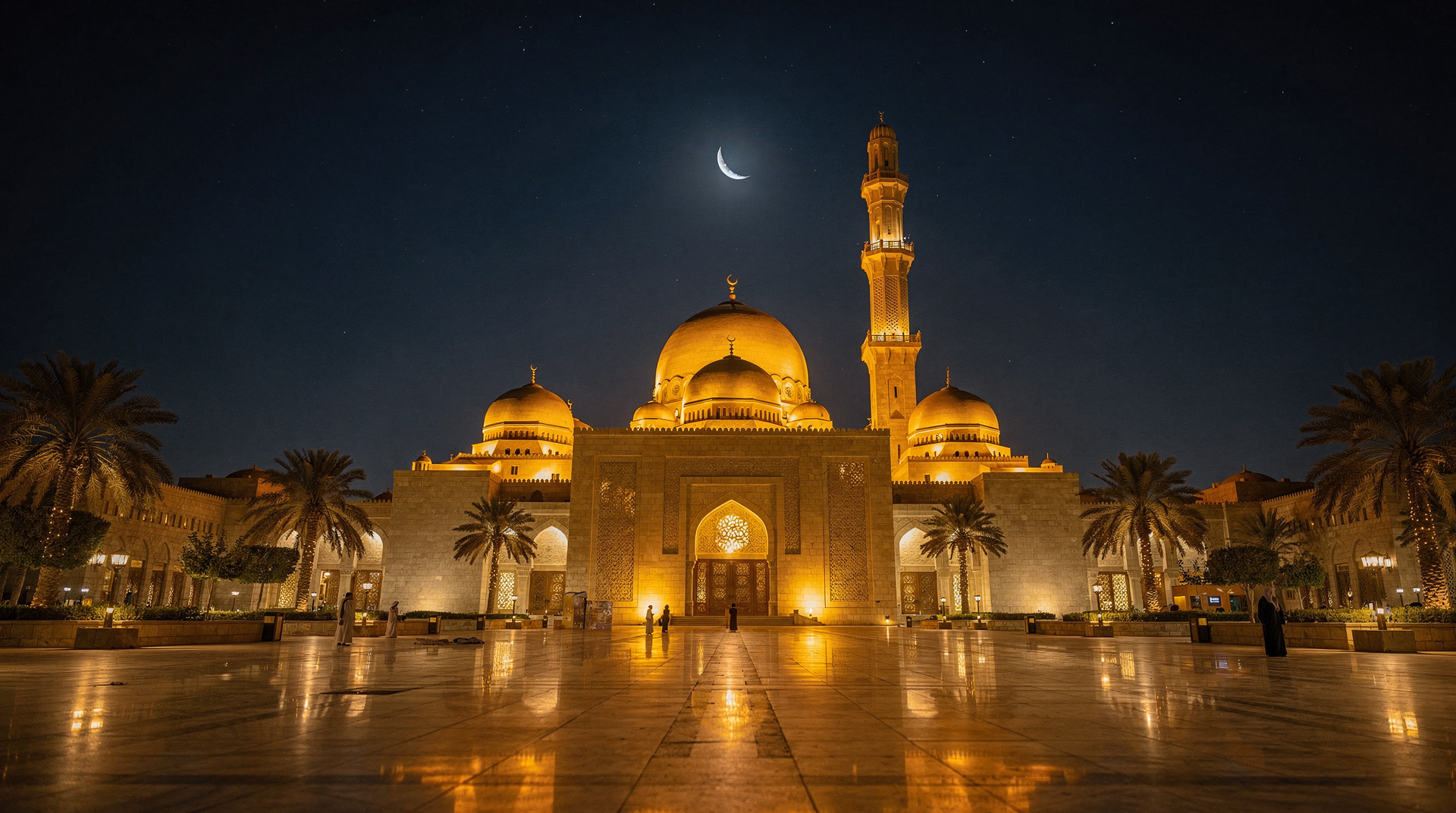
The Sultan Qaboos Grand Mosque in Muscat is open to non-Muslim visitors on Saturday through Thursday mornings (typically 8am–11am). This is an unmissable cultural experience. A half-day Muscat guided city tour is a reassuring option for first-time visitors who want an expert to navigate cultural norms, dress expectations, and photography etiquette across multiple heritage sites in a single morning.
Dress requirements: Women must cover hair, arms, and legs fully — an abaya is required. The mosque provides these at the entrance. Men need long trousers and covered shoulders. Remove shoes before entering. Maintain respectful quiet inside. Photography is generally permitted in outer areas; confirm restrictions inside.
Other mosques in Oman are typically not open to non-Muslim visitors.
Ramadan Etiquette
During Ramadan (in 2026, falling approximately late February to late March), additional public behaviour rules apply. Eating, drinking, and smoking in public during daylight hours is illegal for all people regardless of religion, including tourists. Tourist hotels provide dining for guests, typically screened from public view. See our full Ramadan travel guide for comprehensive advice.
Bargaining and Commerce
Bargaining is appropriate in traditional souqs and markets, particularly for handicrafts, jewellery, and textiles. Fixed-price shops, supermarkets, and hotel restaurants do not expect negotiation. A respectful, friendly approach to bargaining is welcome; aggressive tactics are poorly received. If you start negotiating, be prepared to buy at the agreed price.
Health Considerations
Vaccinations: No vaccinations are formally required for entry to Oman (unless arriving from yellow fever zones). However, standard travel vaccinations are recommended: hepatitis A, typhoid, and routine boosters. Consult your travel health clinic 4–6 weeks before departure.
Medical care: Muscat has excellent private hospitals and clinics with internationally trained staff. Emergency care is widely available. In rural areas, the nearest hospital may be 1–2 hours away — first aid knowledge and a basic kit are valuable.
Water: Tap water in Oman is technically treated but desalinated and not universally pleasant tasting. Most visitors drink bottled or filtered water. In rural areas, always use bottled or purified water.
Stomach: Omani restaurant food is generally safe. Exercise the usual caution with raw vegetables and unpasteurised products at very basic roadside establishments.
Emergency Contacts in Oman
- Police: 9999
- Ambulance: 9999
- Fire: 9999
- Coast Guard: 9999 (Oman has a single unified emergency number)
Your hotel can also call for assistance and will often be able to facilitate faster help in remote areas.
Travel Insurance
Good travel insurance covering emergency medical evacuation is strongly recommended for Oman travel, particularly for anyone planning off-road driving, wadi hiking, or desert camping. Medical evacuation from remote areas of Oman can cost tens of thousands of dollars without coverage. Confirm that your policy covers adventure activities if relevant.
Frequently asked questions about Oman Safety Tips and Cultural Etiquette
Is Oman safe for solo female travellers?
Yes. Oman is consistently rated one of the safest destinations in the Middle East for solo women. Harassment is uncommon. Standard precautions — dressing modestly, being aware of your surroundings at night, trusting your instincts — are all that is typically needed.
Is Oman safe for LGBTQ+ travellers?
Oman’s laws criminalise same-sex relationships. LGBTQ+ travellers are advised to exercise discretion — public displays of same-sex affection can attract serious legal consequences. Enforcement typically targets Omani nationals more than tourists, but the risk is real. Many LGBTQ+ travellers visit Oman without incident by being discreet, but this is an individual risk assessment each person must make.
Can I take photos in Muscat?
Yes, photography is generally welcomed in tourist areas, heritage sites, and public spaces. Ask permission before photographing individuals. Avoid photographing government buildings, royal palaces, military installations, and police officers. In souqs, read the room — a smile and a gesture towards your camera before shooting at someone is always the right approach.
What should I do if I get lost in the desert?
Stay with your vehicle — it is far easier to locate than a person on foot. Call emergency services (9999) and provide your GPS coordinates (your phone’s location sharing). Conserve water and shelter from sun. Send your planned itinerary to someone before heading into remote areas so they can raise the alarm if you do not return.
Are there any areas of Oman to avoid?
Oman is remarkably safe throughout the country. The Yemeni border region near Dhofar’s southern edge warrants caution and is not a tourist destination. Check your government’s current travel advisories before departure. The rest of the country is considered safe for tourists.
Is the tap water safe to drink in Oman?
Technically treated and safe, but desalinated and not always pleasant. Most visitors and residents drink bottled or filtered water. Stick to bottled water, particularly in rural areas. Bottled water is inexpensive and universally available.