Oman Etiquette and Culture: What Every Visitor Should Know
How strict is Oman about dress code and cultural rules for tourists?
Oman is moderate and welcoming toward tourists. The main requirements are covering shoulders and knees outside beach and resort areas, behaving modestly in souqs and mosques, and not drinking alcohol in public. Omanis are generous hosts and genuinely appreciate respectful visitors.
Understanding Oman’s Cultural Context
Before the specific rules, the broader context matters. Oman is an Islamic sultanate with a society shaped by a distinctive form of Islam (Ibadi, distinct from both Sunni and Shia traditions and generally considered the most moderate of the three), a long maritime and trading history that has made it more culturally open than some of its neighbours, and a ruling tradition under Sultan Haitham bin Tarik that explicitly values cultural heritage and international engagement.
Omanis are, in the experience of almost every visitor, exceptionally warm hosts. The tradition of hospitality (karam) is taken seriously — a stranger asking directions is as likely to be invited for coffee as pointed in the right direction. This generosity creates a forgiving context for cultural missteps: genuine mistakes made by respectful travellers are met with patience rather than offence.
This should not, however, translate into casual disregard for local norms. The fact that Omanis are unlikely to confront a tourist for inappropriate dress in a market does not mean that the inappropriate dress is acceptable or unnoticed. Respect for local customs is a matter of basic courtesy, and the effort to dress and behave appropriately is noticed and appreciated.
This guide covers the areas where visitors most frequently need guidance — dress, greetings, mosque visits, alcohol, photography, gender interactions, and Ramadan — with practical, actionable information rather than vague generalities.
Dress Code
The General Principle
The underlying principle of Omani dress expectations is straightforward: cover the body to a degree appropriate to the setting. This means different things in different contexts.
At the beach or resort pool: Standard swimwear is appropriate. Bikinis, swimming shorts, and one-piece swimsuits are normal at hotel pools and at most public beaches. Oman is considerably more relaxed in beach dress than some Gulf states.
In towns, souqs, markets, and historical sites: Shoulders and knees should be covered for both men and women. This is the most frequently misunderstood aspect of Omani dress code — many tourists arrive at Muttrah Souq in shorts and sleeveless tops, which is technically inappropriate even if enforcement is rare.
In mosques: Full coverage required. Women need an abaya or full-length covering for the body, a headscarf, and covered arms. Men need full-length trousers and a top with sleeves. Shoes are removed at the entrance.
In government buildings and official spaces: Moderate coverage required. Smart casual attire that covers shoulders and knees is appropriate.
For Women
The baseline requirement for women in Omani public spaces is covering arms to the elbow and legs to below the knee. Loose-fitting clothing is preferable to tight or form-fitting garments. Low necklines are inappropriate in non-beach settings.
An abaya (the long, loose black robe worn by many local women) is not required of foreign visitors but is worn voluntarily by some female tourists who find it an excellent practical solution — it is light, comfortable in the heat, covers everything required, and signals cultural awareness.
A light scarf carried in a bag is worth having for mosque visits and for entering more conservative settings. Many mosques that admit non-Muslim visitors provide covering garments at the entrance, but bringing your own is more comfortable.
For Men
Men are held to a less rigid standard than women but some requirements apply. Shorts are fine at beaches and resorts. In towns and markets, longer shorts (to the knee) are acceptable, though light trousers are preferable. Sleeveless tops are inappropriate in souqs, markets, and religious sites. A light linen or cotton shirt is comfortable in the heat and appropriate everywhere.
Practical Packing Advice
Pack at least one outfit per person that covers everything from shoulders to knees — this is the mosque and heritage site outfit and will be used multiple times on a typical Oman itinerary. Lightweight long linen trousers and a cotton long-sleeved shirt are ideal. These items are also available cheaply in Omani markets if you have not brought them.
Greetings and Social Interactions
The Standard Greeting
The Arabic greeting “As-salamu alaykum” (peace be upon you) and its response “Wa alaykum as-salam” (and upon you peace) are used universally in Oman. Using the greeting — even imperfectly — is warmly received. It signals respect and engagement rather than treating Oman as a service backdrop for a holiday.
The Arabic “shukran” (thank you) and “afwan” (you’re welcome) are worth knowing. Attempting any Arabic, however basic, consistently generates positive responses from Omanis.
Handshakes and Physical Greetings
Between people of the same gender, handshakes are standard — often extended, with the greeting maintained for several exchanges of pleasantries. Among close acquaintances, a nose-touching greeting (typical in Gulf Arab culture) may occur.
Between men and women who are not family or close acquaintances, physical contact is not initiated by Omani men. A foreign woman extending her hand to an Omani man for a handshake may be met with a polite hand-to-chest gesture indicating acknowledgement without physical contact — this is not a rejection but simply the appropriate response from a conservative Muslim man. Equally, foreign men should not extend their hand to greet Omani women unless the woman initiates it.
This norm has become more relaxed in business and professional contexts, particularly in Muscat, where international norms increasingly apply. In traditional or rural settings, the conservative baseline applies.
Coffee and Date Hospitality
If offered qahwa (Omani coffee — cardamom-spiced, lightly flavoured, served in small cups) and dates, accept. Declining hospitality is mildly awkward. The coffee is light, flavourful, and not a large volume. You can indicate you have had enough by lightly shaking the cup when handing it back, which signals “I am finished” without implying the coffee was unwelcome.
This hospitality extends to many contexts — souq visits, asking for directions at a family business, casual encounters. The offer of coffee or tea is a social gesture expressing welcome and should be received as such.
Mosque Visits
Which Mosques Admit Non-Muslims
The Sultan Qaboos Grand Mosque in Muscat is the primary mosque open to non-Muslim visitors in Oman and one of the most spectacular mosques in the world. It is open to non-Muslims from Saturday to Thursday, 8am to 11am. Visiting outside these hours is not possible.
The vast majority of Oman’s neighbourhood and regional mosques are not open to non-Muslim visitors, and entering without invitation is inappropriate. When in doubt, do not enter.
Conduct Inside the Grand Mosque
Dress requirements for the Grand Mosque are strictly enforced. Women must wear an abaya and headscarf — these are available at the entrance for borrowing. Men must wear long trousers and have arms covered. No shorts.
Shoes are removed at the entrance and held or stored in provided bags. Photography is permitted in most areas but not during prayer times. Speaking quietly is expected throughout. The vast prayer hall, the enormous chandelier, and the handmade carpet (at the time of installation, the world’s largest single carpet) are the main points of interest.
Behave as a respectful guest in a sacred space — quiet, observant, not touching anything without reason, and not blocking prayer routes.
Prayer Times and Public Life
Prayers occur five times daily and last approximately 15-20 minutes. During prayer times, some shops close temporarily, particularly in more traditional areas and on Fridays. The midday Friday prayer (Jumu’ah) is the most significant — businesses around mosques often close for an extended period around noon on Fridays.
Prayer times change daily and are published in apps and on the websites of Oman’s Ministry of Endowments and Religious Affairs. Knowing approximately when prayer times fall helps with planning restaurant visits and souq shopping.
Alcohol
The Legal Situation
Alcohol is legal in Oman but tightly regulated. It is available at licensed hotel bars and restaurants (serving non-Muslim customers and, technically, Muslim customers in licensed premises), duty-free shops on arrival and departure, and from regulated off-licences accessible primarily to Oman residents with alcohol permits.
As a tourist, you will encounter alcohol available in hotel restaurants and bars without needing to do anything specific. Buying from a supermarket is not possible — there are no supermarket alcohol sections in Oman.
What Is Not Permitted
Drinking in public — on streets, at beaches, in parks, in vehicles, in souqs — is illegal and genuinely enforced. The public space is considered alcohol-free and this is taken seriously.
Bringing alcohol from a hotel to a public beach or a wadi, drinking at a campsite in a public area, or having open containers in a car (even parked) are all offences. Discretion is not a sufficient defence — the rule is zero public consumption.
Driving under any influence of alcohol is treated very seriously. The blood alcohol limit is effectively zero for practical purposes.
Ramadan and Alcohol
During Ramadan, some licensed establishments reduce their alcohol service hours or suspend service entirely. This varies by establishment. Check specifically if alcohol availability at a particular time matters to your plans during Ramadan.
Photography of People
The Underlying Principle
Photography of people in Oman — particularly women, older individuals, and people in traditional dress — requires judgment and, ideally, permission. The principle is simple: would you be comfortable with a stranger photographing you in this situation? Apply that test and you will generally make the right call.
Practical Guidelines
Landscapes, architecture, and markets: Generally freely photographable. The busy lanes of Muttrah Souq, the exterior of forts, palm groves, and coastal scenery involve no specific restrictions.
People in souqs and markets: Groups going about their business can generally be photographed with awareness — but specifically photographing an individual woman or elder requires either their acknowledgement or a friendly gesture of request first. Many people will smile and wave you on; some will indicate they prefer not to be photographed and this should be respected absolutely.
Military, government buildings, police checkpoints: Do not photograph these. The restriction is enforced and the consequences of ignoring it are significant.
Omani homes and private spaces: Photographing private residences, family members, or the interiors of homes is inappropriate without explicit invitation.
The most effective approach for portraits: Engage with the person first. A greeting, a smile, some basic interaction. Then, with a gesture or simple Arabic (photo? mumkin? — “is it possible?”), indicate your interest. Most people who are comfortable being photographed will indicate so clearly. The quality of the portrait you get from someone who has given permission is always better than a grabbed shot anyway.
Drone Photography
Drone use in Oman requires a permit from the Civil Aviation Authority. Flying a drone without a permit over populated areas, military installations, or government buildings is a serious offence. The permit process is not prohibitively complex for serious photographers, but casual drone use without permitting is genuinely risky. Outside permitted use, drones should remain in their cases.
Gender Norms and Mixed-Gender Spaces
The Current Situation
Oman is one of the more relaxed Gulf states on gender norms as experienced by visitors. Mixed-gender groups can eat together in any restaurant, visit all tourist sites together, and move freely through public spaces. There are no requirements for women to be accompanied by a male guardian.
Female travellers report generally positive experiences in Oman. The country does not have a culture of street harassment comparable to some other destinations, and the national culture of reserve and courtesy means that solo female travellers are typically treated with respect.
Unmarried Couples
Cohabitation by unmarried couples is technically prohibited under Omani law, though enforcement in hotel settings for foreign visitors is essentially non-existent in practice. Hotels book mixed-gender foreign visitors in shared rooms as a matter of standard practice. The prohibition is primarily relevant to Omani nationals and long-term residents rather than tourists.
Public Displays of Affection
Excessive public displays of affection between any couple — regardless of gender or marital status — are inappropriate in Omani public spaces. Holding hands is generally fine. Kissing or extended physical contact in public is not appropriate.
Ramadan: Specific Behaviour
What Changes During Ramadan
During Ramadan (the dates of which shift earlier by approximately ten days each year relative to the Gregorian calendar), Muslims fast from dawn to sunset — no eating, drinking, or smoking during daylight hours. The fast is taken seriously and publicly eating, drinking, or smoking in front of fasting Muslims during daylight hours is genuinely disrespectful.
For visitors during Ramadan:
- Do not eat, drink, or smoke in public during daylight hours. In practice, this means consuming food and drink within your hotel, in licensed restaurants that are open, or in your hire car in a non-public setting.
- Some restaurants close during the day and open only after iftar (the sunset meal breaking the fast). Hotel restaurants serving non-Muslim guests remain open but may be more discreet about it.
- Dress more conservatively than usual during Ramadan — modesty expectations are heightened.
- Music played from vehicles should be kept low.
- Many businesses operate with shortened hours.
What is distinctively positive about Ramadan: The atmosphere after sunset changes completely. The iftar meal is a time of community gathering and considerable joy. The late evenings during Ramadan are lively, with markets, restaurants, and public spaces coming alive in a way that is fascinating for visitors. The generosity of Omani hospitality is at its peak during Ramadan — offers of food and drink after sunset are commonplace.
A Note on Cultural Sensitivity
The rules in this guide are not presented to restrict visitors but to frame a respectful engagement with a culture that is genuinely worth engaging with. Oman has maintained a distinctive cultural identity through centuries of external contact — the country was a major maritime trading power whose ships reached East Africa, India, and Southeast Asia — and this cultural confidence means it is comfortable with visitors from different backgrounds.
The visiting experience is substantially better when cultural norms are respected — not because of enforcement, but because respectful engagement opens doors that casual disregard closes. An Omani who sees that a visitor has taken the trouble to dress appropriately, use the basic greeting, and behave as a respectful guest is far more likely to offer an invitation for coffee, explain the historical context of what you are looking at, or direct you to a place that no tour itinerary includes.
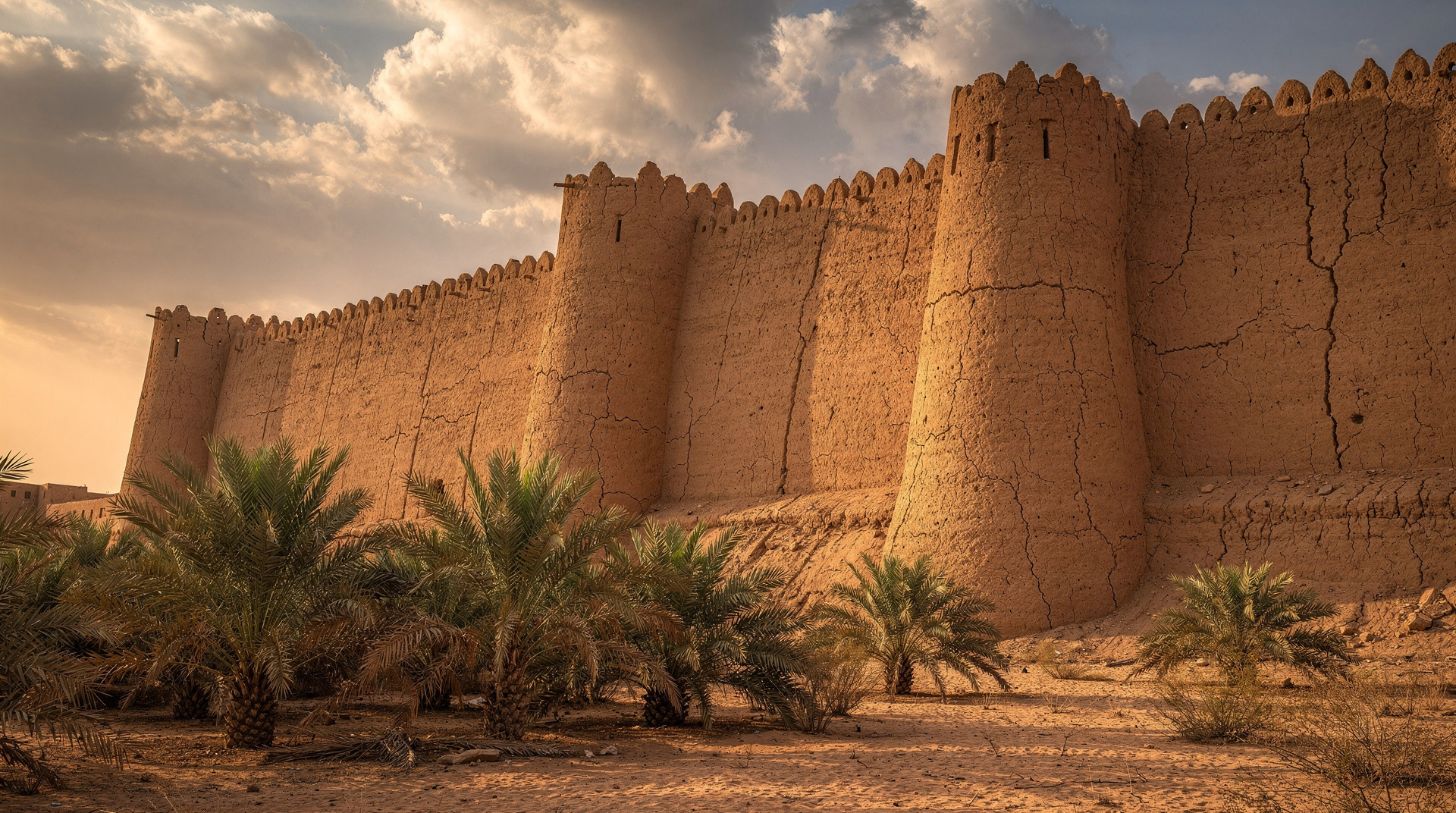
For practical planning context, see the guide to exploring Muscat and for multi-day itinerary support, the multi-day tours guide provides both guided tour options and self-drive frameworks. Visitors combining cultural sites with heritage walks will find the aflaj irrigation systems guide and the Bahla Fort guide useful complements. For beach days where dress standards differ from the town context, the complete Oman beaches guide covers what to expect at each location.
The half-day Muscat city tour taking in the old town, Muttrah, and the palaces is an excellent orientation for first-time visitors — the context provided by a knowledgeable guide covers both the physical spaces and the cultural meaning behind them.
Frequently asked questions about etiquette and culture in Oman
Can women travel alone in Oman?
Yes, absolutely. Solo female travel in Oman is straightforward and the country is considered one of the safest in the Middle East for women travelling independently. The national culture of reserve means that unsolicited approaches from strangers are uncommon. Taking standard sensible precautions applies as it would anywhere.
Is it offensive to refuse food or drink offered by Omanis?
Declining with a polite “shukran” and a hand-to-chest gesture is acceptable, particularly if you have a genuine dietary reason. Outright refusal without acknowledgement is less gracious. The offer itself is a gesture of welcome — acknowledging it warmly before declining causes no offence.
Can I visit the Sultan Qaboos Grand Mosque as a non-Muslim?
Yes. The Grand Mosque is open to non-Muslim visitors from Saturday to Thursday, 8am to 11am. Dress requirements are strictly enforced at the entrance. It is one of the most architecturally extraordinary mosque complexes in the world and well worth visiting.
What should I do if I accidentally breach a cultural norm?
Apologise briefly and correct the behaviour. Omanis are forgiving toward genuine mistakes from respectful visitors. An earnest apology is received well. Over-elaborate apologies or displays of distress can make the situation more awkward for everyone.
Is it safe to photograph the police or military?
No. Do not photograph police officers, military personnel, military bases, police checkpoints, or government security installations. This is genuinely enforced, the consequences are significant, and the photographs have no value that justifies the risk.
What should I wear to visit a wadi or natural site?
Standard outdoor clothing — covered legs and shoulders — is appropriate for wadi visits. For swimming in wadi pools, swimwear is accepted but a t-shirt and shorts combination is considerate, particularly at wadis near villages where local residents also use the pools. A sun-protecting rash vest is practical and simultaneously appropriate.
Are there dress requirements for malls and modern shopping centres?
Modern malls in Muscat (Avenues Mall, Muscat Grand Mall, City Centre) do not enforce specific dress codes for tourists. However, very revealing clothing — deep necklines, very short shorts, crop tops — is still out of place and will attract attention. Smart casual is the comfortable baseline.
How should I behave around prayer calls (adhan)?
The adhan (call to prayer) sounds five times daily from mosque minarets. No specific behaviour is required of non-Muslims when the adhan sounds — you do not need to stop what you are doing or be silent. If you are near a mosque when prayer is beginning, being quiet and not blocking the approach to the entrance is considerate.