Family Desert Experience in Oman: Kid-Friendly Camps and Activities
Is the Oman desert suitable for families with young children?
Yes — Wahiba Sands camps are well-suited for children aged 4 and up. Overnight camps have comfortable tents or cabins, child-friendly meals, camel rides, sandboarding, and stargazing. The main considerations are heat management and hydration.
Why the Desert Is One of Oman’s Best Family Experiences
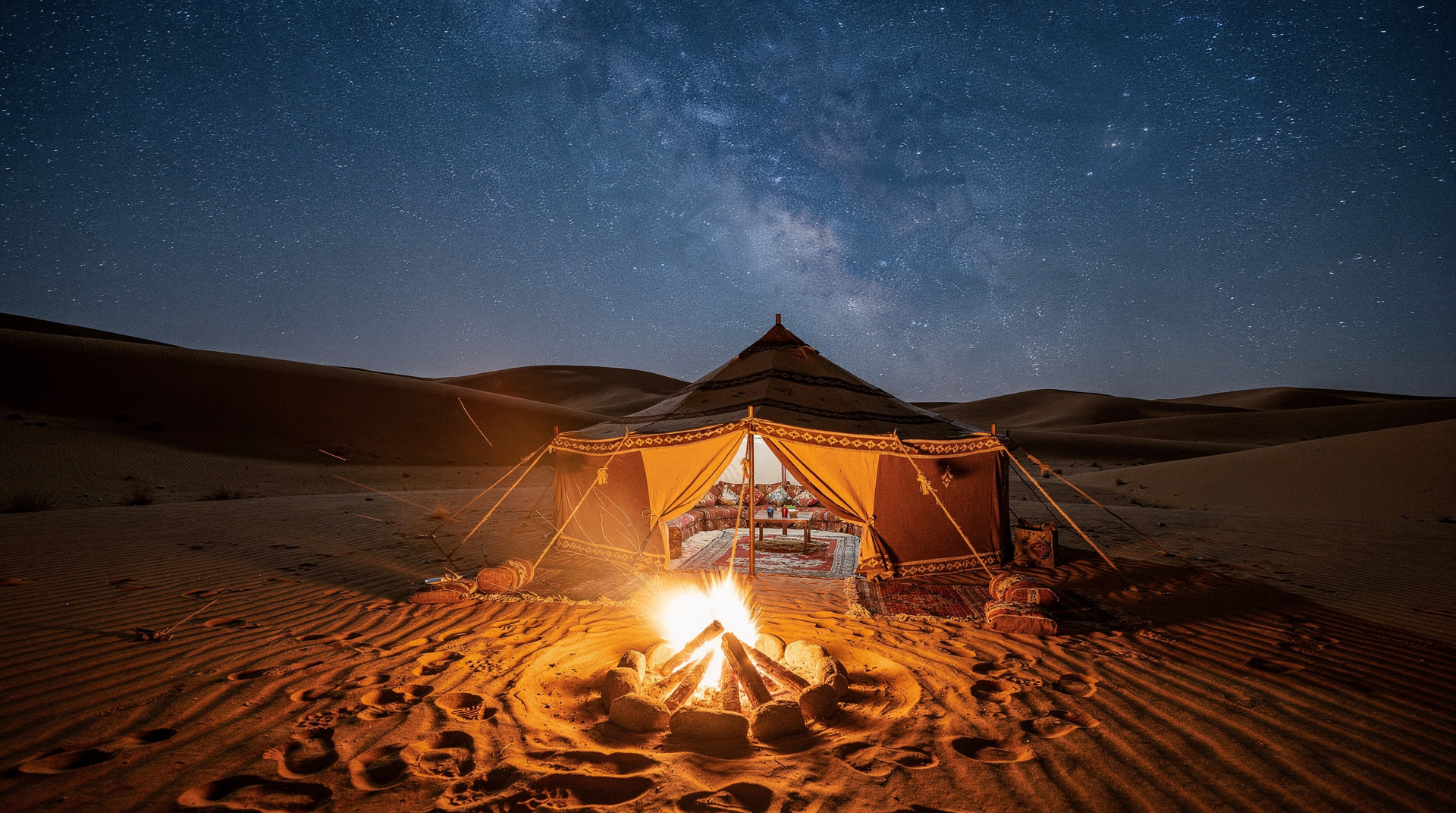
Travelling with children in Oman opens up possibilities that go well beyond a standard cultural or adventure trip. The Wahiba Sands desert — Oman’s premier dune landscape — is consistently one of the experiences that children remember long after the holiday ends. Something about the scale of the dunes, the utter silence of the desert night, and the novelty of sleeping in a tent surrounded by sand creates a powerful impression that neither a beach day nor a city tour quite matches.
The good news for parents is that the desert infrastructure around Wahiba Sands has developed significantly in the past decade. Several well-run camps now cater specifically to families, offering private tent or cabin accommodation, flushing toilets, and staff experienced in managing children’s expectations and energy levels in a desert environment. The days of the desert being purely the domain of adventure travellers are long past.
This guide addresses the practical questions parents ask most frequently: what age is appropriate, how to manage the heat, what camps work best for families, and which activities children genuinely enjoy versus which ones are more adult-oriented.
Age Recommendations for Different Desert Experiences
Toddlers (Under 3)
The desert environment is manageable for very young children in the October through February period when temperatures stay below 30 degrees Celsius during the day and cool overnight. The main challenges are sun exposure (intense even in winter), sand getting into eyes and nappies, and the absence of anything to entertain a restless toddler in the heat of midday.
For families with children under three, an overnight desert camp stay is possible and some parents report it goes beautifully. Others find the lack of any contained, shaded play space makes it exhausting. A day trip to the desert edge — arriving mid-morning, experiencing the dunes, and returning before the afternoon heat — is a lower-stakes introduction that preserves flexibility.
Young Children (3 to 6)
This age group typically thrives in the desert setting. The dunes themselves are the entertainment — climbing, sliding, rolling down, and burying each other in sand occupies children of this age almost indefinitely. Camel rides are a particular highlight; most camps have camels trained for child passengers and allow very short, closely supervised rides appropriate even for three-year-olds.
Sandboarding — essentially a plastic board or tray used to slide down dune faces — generates huge excitement in this age group. The technique is simple enough that five-year-olds manage it with minimal instruction. The physical experience of the dune is novel and thrilling in a way that requires no coordination or prior skill.
Overnight stays work well from around age three, assuming the child is comfortable sleeping away from home and that the family has chosen a camp with private accommodation rather than shared sleeping areas.
Children (6 to 12)
The sweet spot for desert experiences. Children of this age appreciate the vastness of the landscape, engage meaningfully with the cultural elements (traditional Bedouin tents, coffee and dates, explanations of desert navigation), and have enough stamina to tackle the physical activities without fatigue becoming a problem.
Dune bashing — the 4WD off-road driving over dune crests — is suitable from around age six for children who have no history of motion sickness and are comfortable with sudden movements. Most operators require that children are able to sit upright and hold on without adult assistance. The experience generates tremendous excitement in this age group.
Quad biking, where available, is typically restricted to ages twelve and above for independent riding, though younger children can ride as passengers with an adult.
Teenagers
Teenagers are well catered for by the full range of desert activities and often develop the deepest appreciation for the landscape and cultural context. Star photography, early-morning dune climbing for sunrise views, and self-directed sandboarding sessions appeal to teenagers who might dismiss other family activities as childish.
For teenagers interested in photography or filming, the desert offers extraordinary material — the low-angle light at dawn and dusk over the dune crests is one of Oman’s most photogenic environments.
Best Family-Oriented Desert Camps in Wahiba Sands
1000 Nights Camp
One of the longest-established and best-regarded family camps in Wahiba Sands. The private chalets have air conditioning, proper beds, and attached bathrooms — a significant difference from basic camping setups that can make overnight stays considerably more comfortable for families with young children.
The camp includes swimming pool facilities (critical for children who need an outlet in the afternoon heat), a restaurant serving both Omani and international food, and staff experienced with multi-generational family groups. Evening entertainment includes traditional music, fire demonstrations, and stargazing with guided commentary.
Desert Nights Camp
A higher-end option with beautifully appointed tented villas that feel genuinely luxurious despite the remote desert setting. The tents have proper beds, air conditioning, and en-suite bathrooms, removing the compromise element that can make desert camping difficult for families with high comfort requirements.
Desert Nights runs organised activity programmes that work well for children — guided dune walks with explanations of desert ecology, falconry demonstrations, and supervised sandboarding. The additional comfort comes at a higher price point, but for families where parents are uncertain whether children will manage the desert environment, having the option to stay comfortable removes a significant source of anxiety.
Budget and Mid-Range Camps
Numerous family-run and mid-range camps operate around the main entry points to Wahiba Sands near Al Qabil. These offer more basic accommodation — traditional arish (palm frond) huts or simple tents — but at significantly lower prices. For families with children who are experienced campers or who specifically enjoy the more authentic feel, these camps deliver the desert experience with less comfort infrastructure.
If choosing a budget camp with young children, visit the facilities (or ask for clear photographs) before booking, particularly the toilet arrangements. Composting or pit toilets in extreme heat are manageable for adults but can be distressing for young children.
The Day-Trip Option: Wahiba Sands Without Overnight
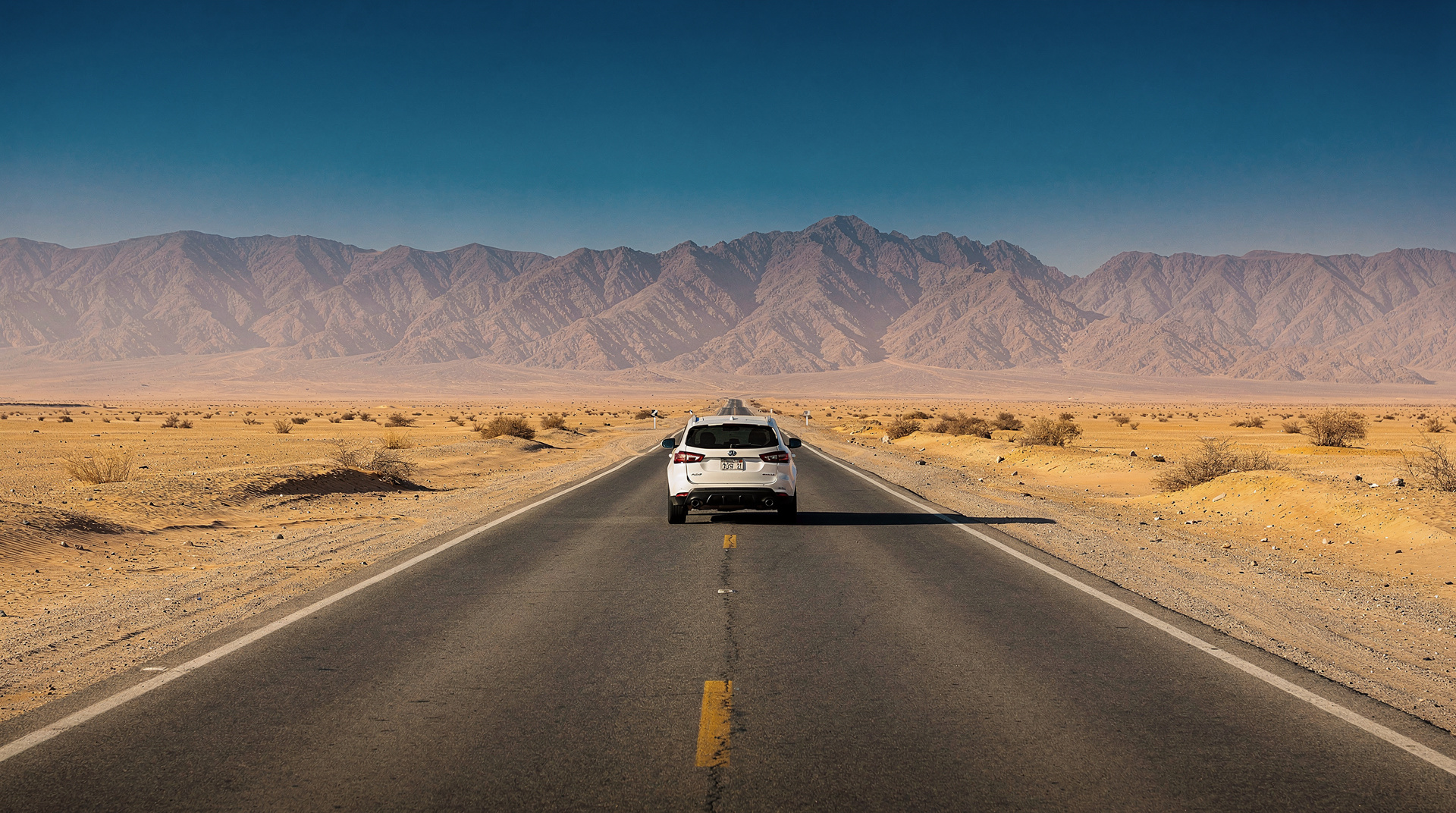
For families unsure about an overnight stay — or travelling with babies or very young toddlers — a day trip from Muscat to Wahiba Sands is a well-established option. The distance from Muscat is approximately 200 kilometres, a drive of around two and a half hours each way.
The Wahiba Sands and Wadi Bani Khalid day trip from Muscat combines the desert with the spectacular freshwater wadi pools at Bani Khalid — the wadi swimming is an excellent complement for children who want a swim after the heat of the desert, and the combination of dunes and turquoise pools in a single day creates a genuinely varied experience.
Day trips typically include dune driving or dune bashing, sandboarding, a traditional Bedouin lunch, and the wadi visit. The tour operator handles all driving and navigation, which removes the significant logistical challenge of getting into and out of the soft sand areas safely.
Kid-Friendly Activities in Wahiba Sands
Sandboarding
The activity with the highest hit-rate for children of all ages. A simple plastic board or tray is placed at the top of a dune, the child sits on it, and gravity does the rest. No skill is required, the speed is controllable by leaning, and wiping out in soft sand is harmless. Children from age three upwards manage this with enthusiasm.
The technique that generates the most speed: sit on the board, feet forward, and keep the nose slightly raised as you push off. Waxing the bottom of the board improves speed significantly on packed sand. Camp staff at established camps will demonstrate this and usually enjoy participating themselves.
Camel Riding
Camel rides at desert camps are typically short, closely managed experiences — enough to feel the unusual gait and height of the animal, photograph the experience, and have a story to tell. Most camps have one or two trained camels used exclusively for tourist rides, and the handlers are skilled at managing nervous children.
The unusual thing about camels that delights many children: the camel stands up back-legs-first, so riders are pitched dramatically forward as it rises. First-timers almost always gasp. It is entirely safe and the handlers are positioned to catch any slip.
Dune Climbing and Sliding
Simply climbing a dune and rolling or running down is one of the most purely joyful physical experiences in the desert. No equipment is required. Sand dunes in Wahiba Sands are steep enough to make the climb a genuine physical effort (which children over about six appreciate as an accomplishment) and the descent by running, rolling, or sliding on clothes is fast enough to generate genuine excitement.
Climbing the large dunes at the edges of the camp at sunrise — when the temperature is cool and the light extraordinary — is one of the experiences that parents report their children talking about for months afterward.
Desert Wildlife Spotting
Children with an interest in animals will find the desert more alive than it appears. Arabian sand gazelles are present in Wahiba Sands and visible from vehicles in the morning. Various desert lizards and geckos emerge in the evening. Desert roses (naturally occurring mineral formations that resemble flowers) can be found with a guide’s help.
At night, with a torch, small scorpions are occasionally visible — enough to fascinate older children without being an actual danger if sensible caution is observed. Guides at established camps know how to locate and show these animals while keeping everyone safe.
Falconry Demonstrations
Several camps include falconry demonstrations in their evening entertainment. For children fascinated by birds, watching a trained falcon fly to its handler’s glove is compelling. Some camps allow children to have a falcon land on a gloved hand with supervision. The demonstrations explain the history of falconry in Bedouin culture, which gives older children context for why the practice matters in Oman and the Gulf region.
What to Pack for a Family Desert Trip
The packing list for a desert camp stay with children differs meaningfully from a standard packing list.
For the heat: Light, long-sleeved clothing that covers arms and legs while remaining breathable (light cotton or merino) actually keeps children cooler than shorts and t-shirts by blocking direct solar radiation. Wide-brimmed hats are essential. SPF 50 sunscreen, applied generously and repeatedly.
Hydration: Desert air is extremely dry. Children dehydrate faster than adults notice. Each child should have their own water bottle, and adults should actively prompt drinking every 20-30 minutes regardless of whether children say they are thirsty. Electrolyte sachets mixed into water are helpful for full-day desert days.
Sand management: Sand gets everywhere — into ears, eyes, shoes, bags, and cameras. Goggles for young children (the kind sold for swimming) provide genuine eye protection during windy conditions. Zip-lock bags for electronics and anything sand-sensitive are worthwhile. Expect to spend 20 minutes shaking out clothing and bags when you return to the car.
Night warmth: Desert temperatures drop significantly after sunset, particularly from November through February. Children who were sweltering at 4pm will genuinely need a fleece or light jacket by 9pm. Warm layers are often the most overlooked item in desert packing.
Entertainment for downtime: The midday heat period (roughly 11am to 4pm) at camps is slow. Some families embrace this as a nap and rest period. Others need entertainment. Books, downloaded content on a tablet, or simple card games fill this time well. Most camps have wifi but it is often weak and unreliable.
Managing Health and Safety in the Desert
Heat management
The single most important health consideration. Plan activities for early morning (sunrise until 10am) and late afternoon (4pm until sunset). The midday period should be spent in shade with access to cool water or air conditioning. Never let children exert themselves in midday desert heat.
Signs of heat exhaustion in children to watch for: stopping sweating despite heat, unusual lethargy, headache, nausea, or skin that feels hot and dry. Move to shade, offer cool water, and apply cool damp cloths. Severe cases require hospital treatment.
Sun protection
Apply sunscreen 30 minutes before sun exposure, not at the moment of exposure. Reapply every two hours and immediately after sweating or swimming. Do not rely on a single application lasting a full day.
Sand safety
Sand can be extremely abrasive to young children’s skin if they are rolling or playing for extended periods. Rinsing with clean water and applying moisturiser after prolonged sand exposure prevents irritation. Avoid rubbing sand from eyes — rinse with clean water instead.
For broader family trip planning in Oman, the family beaches guide covers the coastal half of the equation, while the road trip planning guide addresses the logistics of driving between destinations with children. Families interested in the broader Wahiba Sands region will find the dune bashing guide useful for understanding the off-road activity options in detail. For cultural context before visiting desert communities, the Oman etiquette guide covers appropriate behaviour and dress in traditional settings.
Frequently asked questions about family desert experiences in Oman
What minimum age do camps require for children to stay overnight?
Most established camps have no formal minimum age. The practical floor is around two to three years old. Very young infants in desert heat require careful management and most camp infrastructure is not designed for their specific needs. Call ahead and discuss your children’s ages so the camp can advise honestly.
Is dune bashing safe for children?
Dune bashing is generally safe for children aged six and above who are not prone to motion sickness. The seat belts must be worn throughout. Children under six may find the sudden movements and pitching of the vehicle frightening rather than exciting. Most experienced operators will advise on suitability when you book.
How far is Wahiba Sands from Muscat?
The main access point near Al Qabil is approximately 200 kilometres from Muscat, a drive of around two and a half hours on good highway. The approach road is entirely tarmac. Only the final section into the desert itself requires 4WD, which established camps handle as part of their pickup service.
Do desert camps have showers and toilets?
Established camps like 1000 Nights and Desert Nights have proper bathrooms with showers and flushing toilets attached to each unit. More basic camps use shared facilities that vary in quality. Always ask specifically about toilet and shower arrangements when booking if this matters to your family.
Can children eat the food served at desert camps?
Camp menus typically include both traditional Omani dishes and simpler options such as rice, grilled chicken, and bread that most children accept readily. Advise the camp of any allergies or dietary requirements when booking. Fresh fruit and packaged snacks brought from Muscat ensure that picky eaters have fallback options.
What is the best time of year to take children to the desert?
November through February is optimal. December and January can feel cold at night but are extremely comfortable during the day. March through October brings progressively hotter temperatures, with June through September being genuinely dangerous for daytime outdoor activity with children.
Is the desert experience worth it for children who dislike heat?
If visiting in the cooler months, the heat is unlikely to be a major factor — November through February desert days are warm but not extreme. Evening and sunrise visits are genuinely cool and comfortable. Children who struggle with heat in European summer temperatures generally manage the winter Omani desert well when activity is timed appropriately.
Are there any dangerous animals in Wahiba Sands?
Scorpions are present in the desert but rarely encountered during normal camp activities. Shaking out shoes in the morning before putting them on is standard practice. Snakes are very rarely seen. The established camps are managed to minimise wildlife encounters, and staff are experienced in handling any that do occur.