How Oman Leads Responsible Tourism in the Gulf
A Different Kind of Gulf Tourism Story
Tourism in the Gulf is often discussed in the language of superlatives: the tallest building, the largest mall, the most audacious man-made island. It is an approach that has served Dubai and Abu Dhabi well in terms of visitor numbers, but it raises serious questions about environmental impact, cultural authenticity, and long-term sustainability.
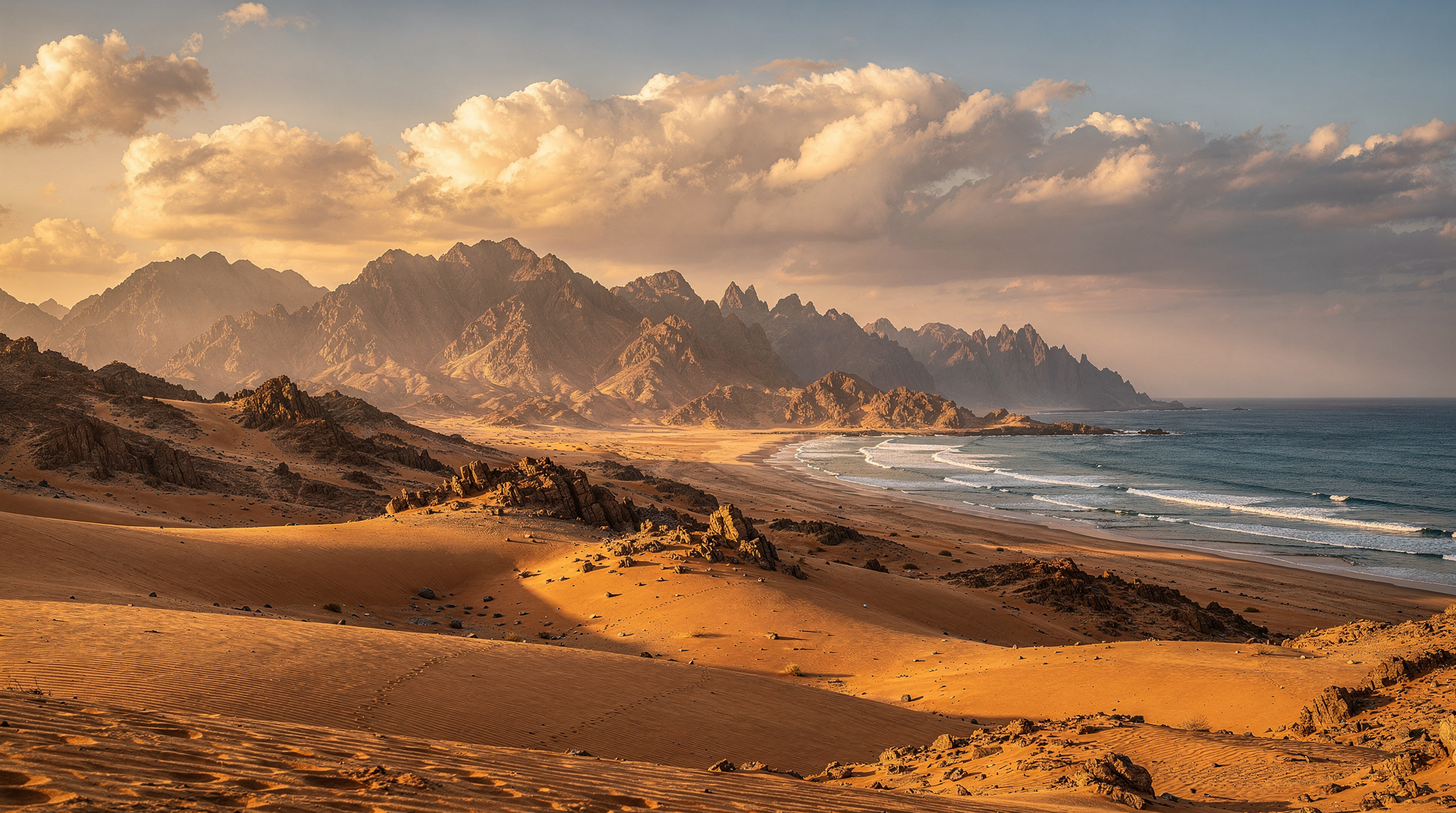
Oman has taken a different path — quietly, without significant international fanfare, and with results that are genuinely worth examining. The Sultanate has built a tourism model that prioritises the preservation of its landscapes, the integrity of its culture, and the economic participation of local communities. It is not a perfect system, and challenges remain, but Oman’s approach to responsible tourism stands apart from its neighbours in ways that matter.
This is not an uncritical celebration. It is an honest assessment of what Oman has achieved, where it falls short, and what it means for visitors who care about travelling thoughtfully.
The Foundation: Sultan Qaboos and the Vision of Selective Growth
Understanding Oman’s approach to tourism requires understanding the philosophy of Sultan Qaboos bin Said, who ruled from 1970 until his death in 2020. Where other Gulf states pursued tourism through mass-market development and headline-grabbing megaprojects, Qaboos pursued what might be called deliberate restraint. Tourism would be welcomed, but on terms that protected Oman’s identity.
The result was a slower pace of development than neighbouring states but a preservation of genuine character that today represents one of Oman’s most valuable tourism assets. The Muttrah Souq in Muscat still looks and functions like a working market rather than a theme park version of one. The forts of Nizwa and Bahla remain archaeological sites embedded in living communities. The desert camps of the Wahiba Sands are small-scale, locally owned operations, not international franchise hotels.
This philosophy extended to infrastructure: Oman invested in roads and airports to enable access, but not in the kind of mass hotel construction that permanently changes the character of a destination. Muscat remains a city of relatively low buildings, green spaces, and readable human scale — a rarity in the Gulf.
Marine Conservation: The Ras al Jinz Model
Oman’s commitment to marine conservation is perhaps its most internationally recognised environmental achievement. The green turtle nesting beaches at Ras al Jinz represent one of the largest green turtle nesting sites in the Indian Ocean, and Oman has protected them with increasing rigour over the past four decades.
The Ras al Jinz Turtle Reserve operates on a model that balances conservation with carefully managed tourism access. Night-time turtle-watching experiences are conducted in small groups led by trained guides. Flash photography is prohibited. Visitors are kept at a respectful distance. The reserve generates revenue that funds ongoing research and anti-poaching patrols.
The results are measurable. Green turtle nesting numbers at Ras al Jinz have remained stable or increased over recent decades, in contrast to the trajectory at many other Indian Ocean nesting sites. The reserve demonstrates that tourism can fund conservation rather than undermine it, provided access is genuinely controlled.
Similar principles apply at the Daymaniyat Islands Nature Reserve, a group of nine islands off the Batinah coast that protect nesting hawksbill turtles, breeding seabirds, and some of the Arabian Peninsula’s finest coral reefs. Visitor numbers are limited, and a permit system controls access. The marine biodiversity here remains extraordinary precisely because the protection has been taken seriously.
Community-Led Ecotourism: The Al-Raka Model and Beyond
One of the most encouraging developments in Omani tourism is the growth of genuine community-led ecotourism in rural areas. Villages in the Hajar Mountains and along the eastern coast have established small-scale guesthouses, hiking guide services, and craft cooperatives that channel tourism revenue directly to local families.
The Al-Raka village in the Sharqiyah region represents this model at its most developed. Visitors can stay in traditional stone guesthouses, hire local guides for mountain walks, and eat meals prepared by village women using locally grown ingredients. The economic benefit stays in the community; the cultural exchange is genuine rather than staged; and the environmental footprint is minimal.
This contrasts sharply with the resort model prevalent elsewhere in the Gulf, where tourism revenue flows primarily to international hotel corporations and the local community’s role is largely limited to providing labour.
The Omani government has actively supported community tourism through the Ministry of Heritage and Tourism, offering grants and technical assistance to help rural communities develop tourism offerings that meet visitor expectations without compromising their way of life. The programme is imperfect — not every community has the capacity or interest to participate — but the intent and the framework are sound.
Frankincense: A Sustainable Heritage Resource
Oman produces approximately half of the world’s supply of genuine Boswellia sacra frankincense, harvested from trees in the Dhofar mountains that have been tapped for resin for at least five thousand years. The frankincense trade is one of the ancient world’s most documented commercial activities, and Oman’s role in it stretches back to the civilisation of Ubar, referenced in both the Quran and classical Greek texts.
What makes the Omani frankincense story remarkable from a sustainability perspective is that the traditional harvesting methods — controlled tapping at intervals that allow trees to recover — have remained essentially unchanged for millennia. Unlike many heritage agricultural practices, frankincense harvesting in Dhofar has not been industrialised to the point of ecological damage.
The UNESCO World Heritage designation of the Land of Frankincense, which protects key sites in Dhofar including the ancient port of Sumhuram and the old city of Ubar, has added an international layer of protection to both the cultural heritage and the ecological setting of frankincense production. Visitors who buy genuine Dhofari frankincense are participating in one of the world’s longest-running sustainable trade traditions.
Challenges: What Oman Still Gets Wrong
Honest assessment requires acknowledging where Oman’s sustainable tourism narrative breaks down.
Water consumption is a serious issue. Golf courses in Muscat and resort developments in Musandam consume enormous volumes of desalinated water in a country that is already severely water-stressed. Desalination is energy-intensive and expensive; using that water to maintain grass golf courses in a desert environment is difficult to defend from a sustainability perspective.
Plastic waste management remains poor in many tourist areas. Wadi Shab and other popular natural sites accumulate visible litter, particularly during peak season. While the government has introduced plastic bag restrictions, enforcement is inconsistent and the tourism infrastructure for waste collection in remote areas is inadequate.
The aviation footprint of Oman tourism is essentially unaddressed, as it is globally. Almost every international visitor arrives by long-haul flight, with a carbon footprint that dwarfs any savings made by choosing an eco-guesthouse over a resort hotel. This is a systemic challenge that no individual destination can solve alone.
Development pressure is increasing. The Vision 2040 economic diversification plan includes ambitious tourism targets — five million visitors per year by 2040 — that will be extremely difficult to achieve without the kind of large-scale resort and infrastructure development that has compromised sustainability elsewhere in the Gulf. The tension between growth targets and environmental preservation will define Oman’s tourism story over the next decade.
What Responsible Visitors Can Do
The choices individual travellers make matter, even if each individual choice is small in aggregate.
Stay in locally owned accommodation. The difference between your money going to a community guesthouse in a Hajar mountain village versus an international hotel chain is significant in a country where rural incomes remain modest.
Hire local guides. Particularly for wadi hikes, mountain trails, and desert excursions, working with local guides rather than relying on GPS and self-navigation supports livelihoods and typically produces a better experience. Local knowledge of conditions, wildlife, and cultural context is irreplaceable.
Buy from producers, not resellers. Frankincense purchased directly from Dhofar’s frankincense souqs, dates bought at a farm stand in the Batinah, silver jewellery commissioned from an Muttrah craftsperson — these purchases create more direct benefit than equivalents bought at an airport duty-free.
Respect conservation zone rules. Do not collect shells, coral, or plants from nature reserves. Follow turtle beach protocols — no flash photography, maintain distance, leave if asked by guides. These rules exist because the conservation outcomes depend on them.
Be thoughtful about water. In a desert country already under significant water stress, small individual choices — shorter showers, not ordering bottled water when filtered water is available — are worth making.
Oman offers something genuinely rare in Gulf tourism: a destination where the authentic experience and the responsible choice frequently align. Choosing a mountain village guesthouse over a Muscat resort, hiking a wadi with a local guide, eating at a family restaurant rather than an international chain — these choices tend to produce both the most memorable experiences and the most positive impacts.
That alignment is not accidental. It is the product of deliberate policy choices made over decades. It deserves recognition, support, and — with clear eyes about the challenges remaining — a degree of genuine admiration.
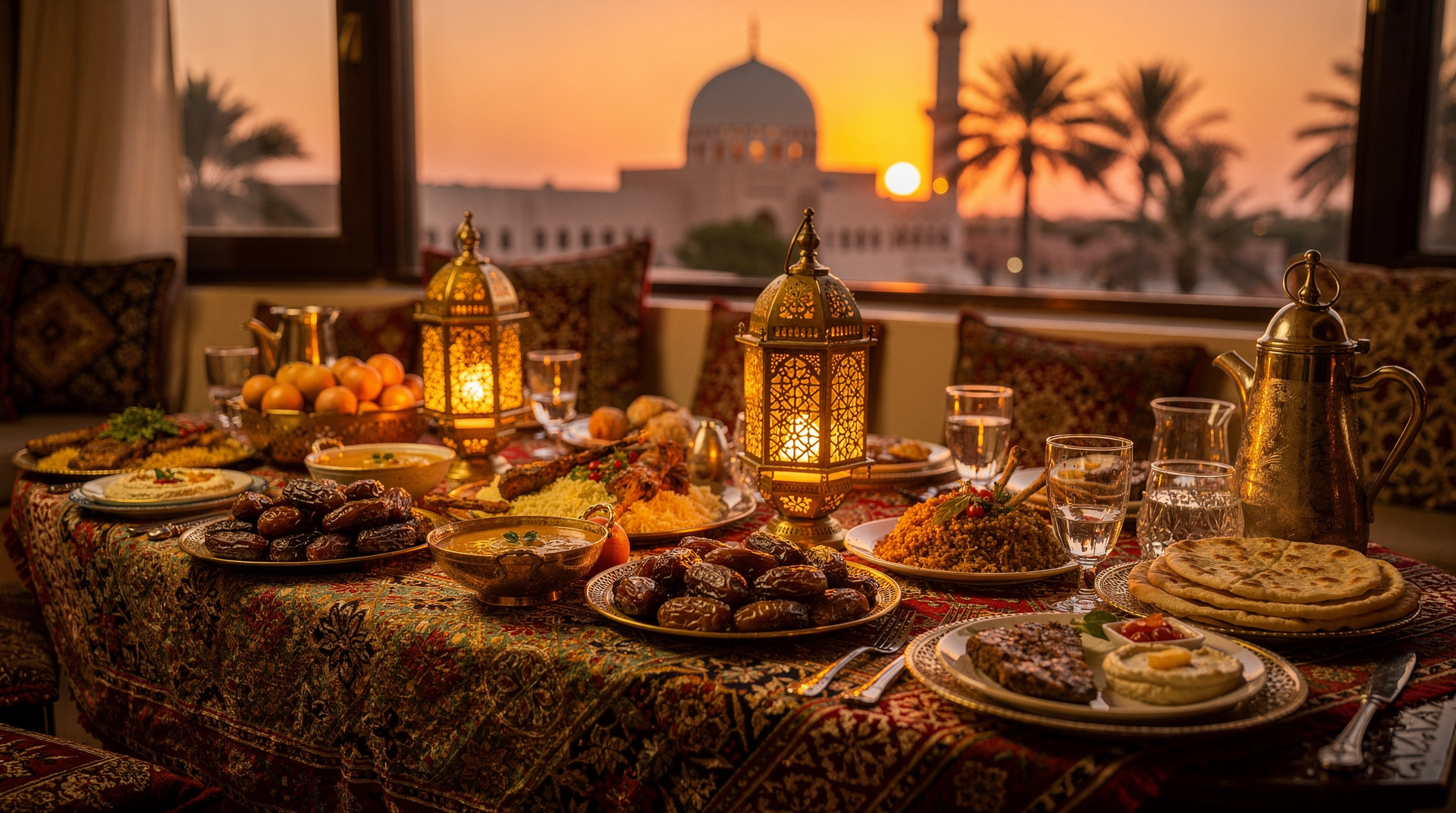
For more on planning a thoughtful Oman visit, read our seasonal planning guide and our guide to Omani food culture, which explores how eating locally connects visitors to the country’s agricultural and trading heritage.