Is Oman Worth Visiting? An Honest Answer
The Question Everyone Asks Before Booking
Every traveller who has browsed flights to the Middle East has asked the same thing at some point: is it really worth going all the way to Oman, or should I just book Dubai and be done with it? It is a reasonable question. Dubai is famous, polished, and endlessly marketed. Oman is quieter, less promoted, and harder to picture.
The short answer is yes — Oman is absolutely worth visiting. The longer answer is that Oman is not just worth visiting, it is one of the most rewarding destinations in the entire Arabian Peninsula, and possibly one of the most underrated countries in the world. Here is why.
A Country That Has Stayed True to Itself
Oman made a conscious choice decades ago not to race toward the skyscraper-and-megamall model of development that defined its Gulf neighbours. Instead, it preserved its forts, its traditional souqs, its ancient irrigation systems, and its deeply rooted Ibadi culture. The result is a country that feels genuinely authentic in a region where authenticity can be hard to find.
Walking through Muttrah Corniche in the early morning, you will find fishermen hauling in their catch, incense drifting from a nearby shop, and dhows moored along the water. It is the same scene that has played out here for centuries, largely unchanged. That is rare, and it matters. In the evening, those same dhows take visitors out on a sunset dhow cruise from Muscat harbour — one of the most atmospheric introductions to the city available.
The Landscapes Are Extraordinary
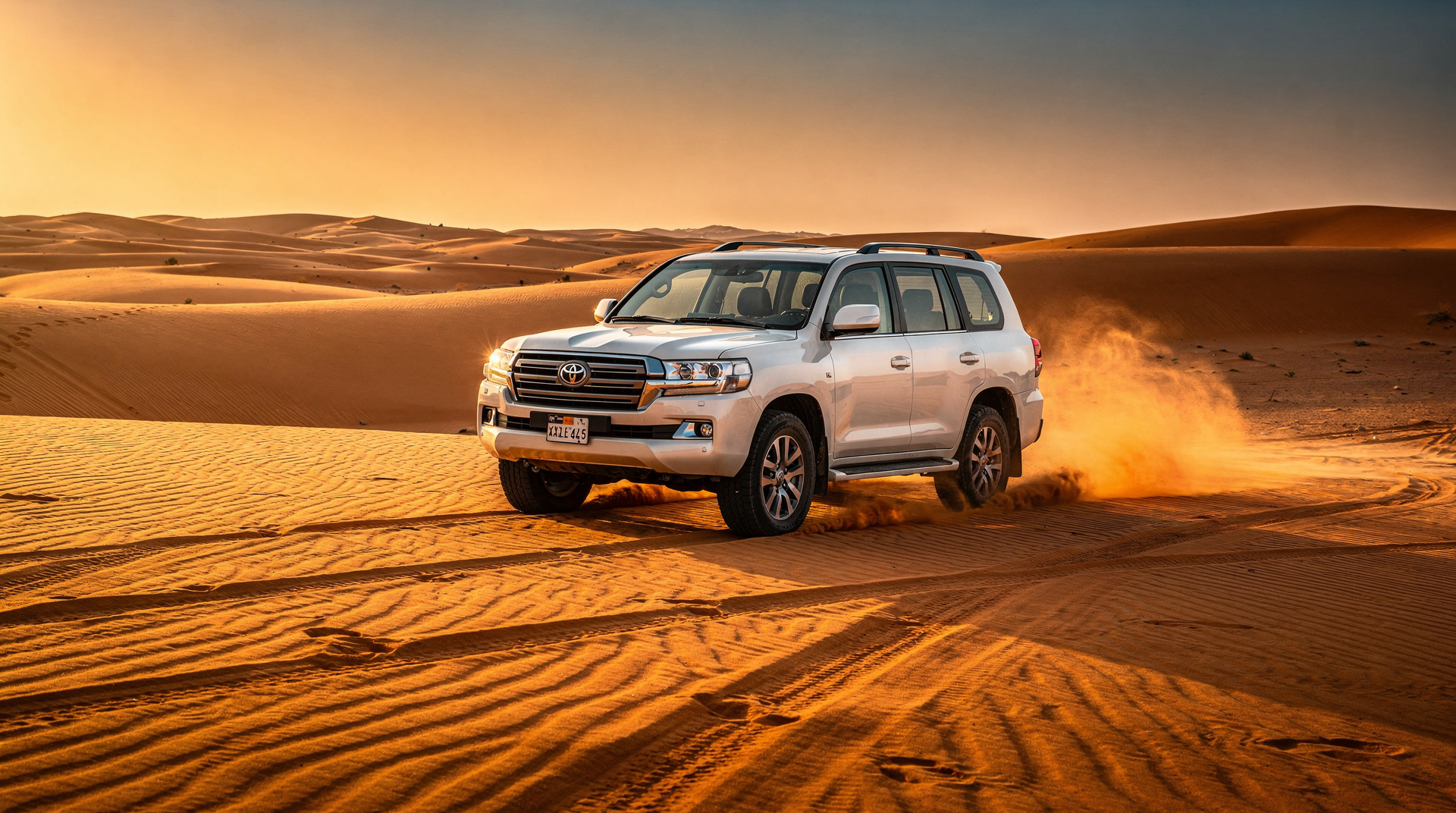
Oman is physically dramatic in a way that surprises most first-time visitors. The country compresses an astonishing range of terrain into a relatively small area. Within a few hours of the capital Muscat you can be standing on the edge of a 2,000-metre canyon at Jebel Shams, swimming in a turquoise wadi pool, or camped in the rolling dunes of the Wahiba Sands.
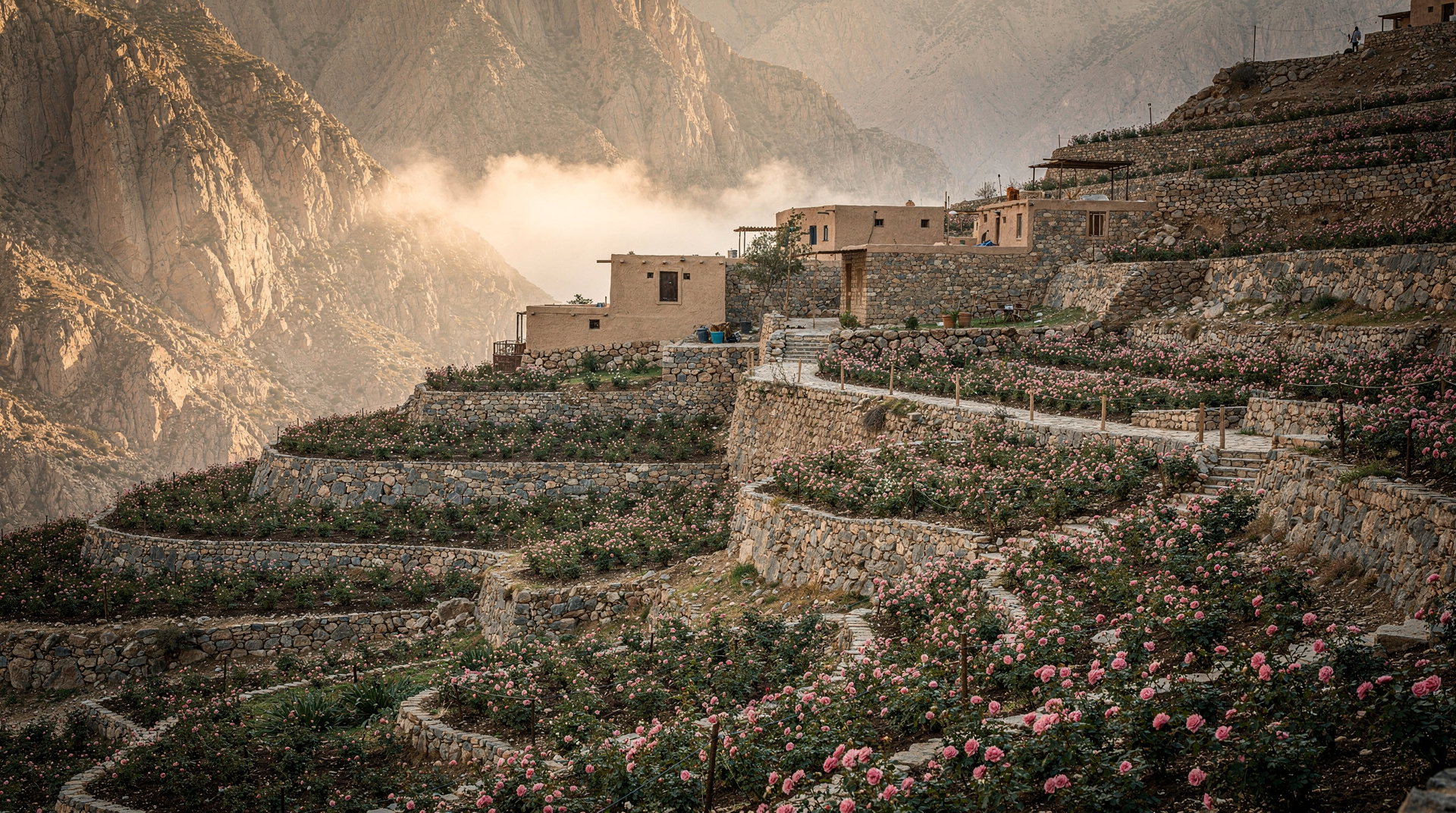
The coastline stretches for over 3,000 kilometres and includes everything from dramatic fjords in the Musandam Peninsula to white-sand beaches near Sur where green turtles still nest undisturbed. The Hajar Mountains cut across the north of the country, creating green valleys — the so-called Jebel Akhdar, or Green Mountain — that produce roses, pomegranates, and apricots at altitude. The southern Dhofar region transforms into something close to a tropical landscape during the summer monsoon, the khareef, when mist rolls across the hills and waterfalls appear from nowhere.
The marine environment is equally spectacular. The Daymaniyat Islands marine reserve north of Muscat is home to sea turtles, reef sharks, and pristine coral — the Daymaniyat Islands Snorkeling Trip (from 55 USD, 2026) is one of the finest half-day marine experiences in the Arabian Sea and accessible as a day trip from Muscat.
No other country in the Gulf offers this kind of geographic variety.
The People Make a Difference
Omani hospitality is legendary and genuine. Visitors are welcomed with coffee and dates, strangers wave from passing cars on mountain roads, and shopkeepers are more likely to invite you to sit and chat than to hard-sell you something. Tourism in Oman has grown steadily, but it has not yet reached the stage where locals view travellers as a nuisance or a transaction.
This warmth extends across all parts of the country. In small villages in the Hajar Mountains, in fishing communities along the Batinah coast, and in the back streets of Salalah’s old town, you will encounter the same quiet dignity and openness that makes Oman feel like a place that is genuinely happy to host you.
How Oman Compares to the UAE
The comparison is inevitable, so let us address it directly. The UAE — and Dubai in particular — offers convenience, luxury, and a remarkable concentration of world-class infrastructure. If you want a guaranteed five-star experience with no rough edges, Dubai delivers that.
But Oman offers something the UAE cannot replicate: depth. Oman has history that stretches back thousands of years, visible in its ancient falaj irrigation channels (a UNESCO World Heritage system), its 500-year-old forts, and its role as a maritime trading empire that connected East Africa, Persia, and India long before anyone had heard of Dubai.
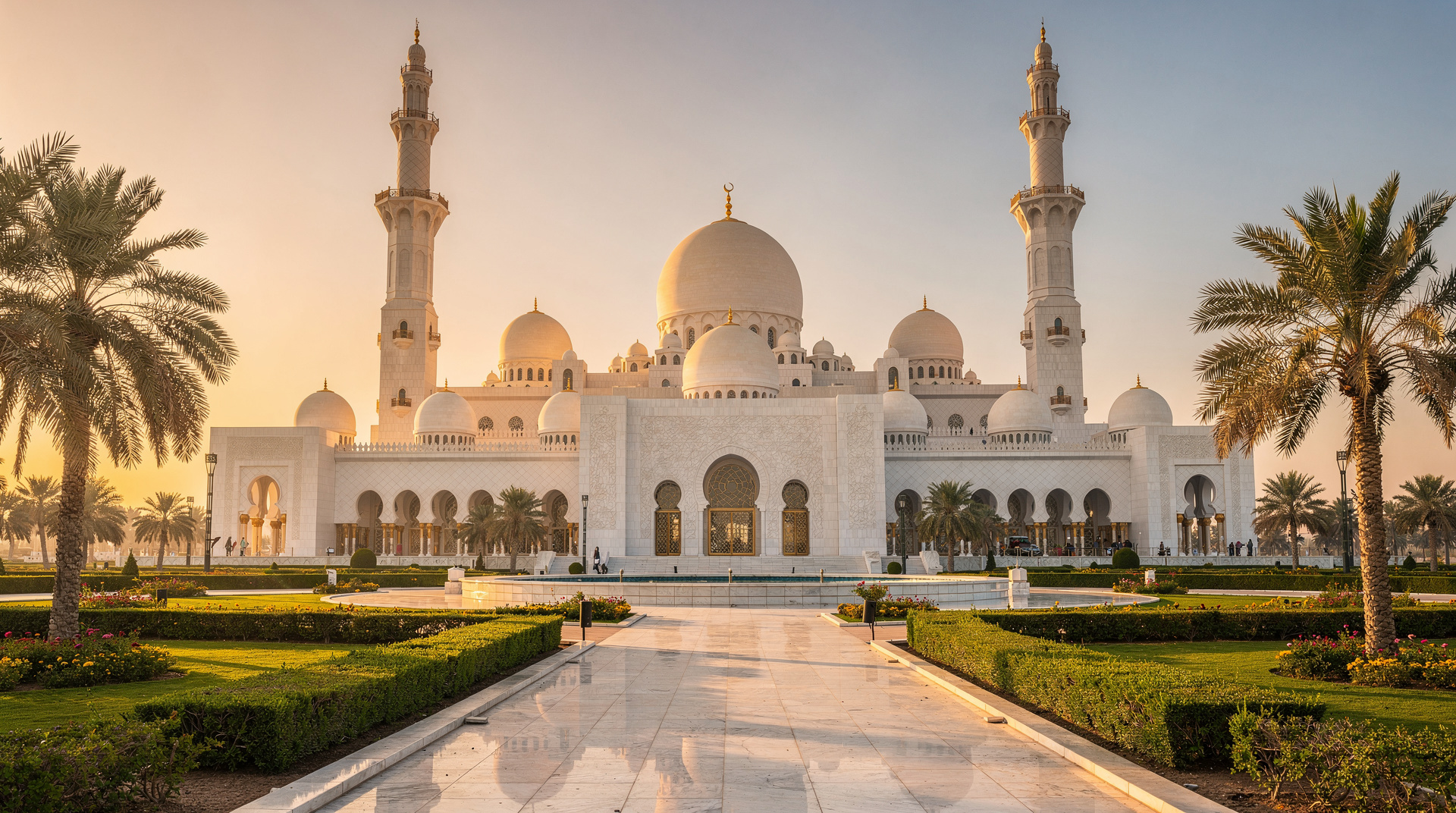
Oman also wins on crowd levels. The Sultan Qaboos Grand Mosque in Muscat is one of the finest pieces of Islamic architecture anywhere in the world, and you can visit it on a quiet weekday morning with almost no queue. The wadis are empty compared to any comparable attraction in the UAE. The beaches have space. The roads through the mountains are yours.
Cost-wise, Oman is broadly comparable to the UAE for accommodation and dining at the higher end, but significantly cheaper if you choose mid-range hotels, camp in the desert, and eat at local restaurants. A half-day city tour of Muscat gives you an extraordinary overview of the capital without needing to navigate independently. You can book a structured introduction here: Half-Day Muscat City Tour — Old Town, Muttrah and Palaces.
Things That May Surprise You
Oman is an Islamic country and it is worth being prepared for that. Alcohol is available in licensed hotels and some restaurants, but it is not sold in supermarkets and it is not part of local culture. The pace of life is slower and more deliberate than in the UAE. Prayer times mean that some shops and restaurants close briefly five times a day. The weekend runs from Friday to Saturday rather than Saturday to Sunday.
None of these things are inconveniences — they are part of what makes Oman feel different from the rest of the Gulf. Adjusting to the rhythm of an Omani day is one of the pleasures of visiting.
Dress modestly when visiting souqs, mosques, and traditional areas. Cover your shoulders and knees as a baseline. Women do not need to wear a headscarf unless visiting a mosque, where one will be required. You will get a warmer reception and far less unwanted attention if you make the effort.
The Best Time to Visit Oman
October through March is the sweet spot. Temperatures are comfortable — warm but not punishing — and the skies are reliably clear. December and January are the peak months and accommodation prices reflect that, so booking ahead is important if you are visiting over the Christmas and New Year period.
April and May sit at the margins — still manageable, particularly in the mountains — but summer (June through August) in the north is genuinely brutal, with temperatures regularly exceeding 40°C. The exception is Salalah in the south, which transforms completely during the khareef monsoon from July to September and draws Omanis from across the country for the cool mist and green hills.
How Much Time Do You Need?
A minimum of one week gives you a decent taste: Muscat, a day trip to a wadi, and an overnight in the desert. Two weeks lets you add the Hajar Mountains, the Sur coast and turtle beaches, and perhaps Salalah. Three weeks or more opens up the Musandam, the Empty Quarter fringes, and the deeper mountain villages of the interior.
Even one week in Oman will change how you think about the region. It is the kind of country that rewards time, but even a short visit leaves an impression that takes a long time to fade.
Practical Realities
Getting to Oman is straightforward. Muscat’s Muscat International Airport is well connected to Europe, Asia, and the rest of the Middle East. Oman Air and a growing number of international carriers offer direct flights from major hubs. An e-visa is available for most nationalities and takes minutes to arrange online.
Within Oman, a rental car is the best way to explore. The roads are excellent, petrol is cheap, and driving through the mountains or along the coast is a genuine pleasure. Shared taxis and buses exist between major towns, but they are not practical for reaching wadis, mountains, or desert camps.
Mobile data coverage is good along main roads and in all towns. Starlink has appeared in remote guesthouses, so staying connected even in the mountains is increasingly possible.
Food Worth Travelling For
Omani cuisine does not yet have the global profile it deserves. The country sits at the intersection of ancient trading routes connecting Arabia, East Africa, Persia, and India, and the food reflects all of those influences in a genuinely distinctive way.
Shuwa is the dish most associated with Oman — slow-cooked spiced lamb wrapped in palm leaves and lowered into an underground clay oven for up to two days. The result is meat so tender it falls apart at a touch, infused with a complex spice rub that varies by region and family. It is traditionally prepared for Eid celebrations and special occasions but can sometimes be found in restaurants serving traditional food.
Mashuai — grilled kingfish served with saffron-tinted rice — is the great coastal dish of northern Oman, eaten along the Batinah coast and in Sur where the fishing boats come in every morning. Halwa, the national sweet made from rose water, sugar, saffron, and clarified butter, appears on every occasion that calls for hospitality. The dates — grown in the interior and available in hundreds of varieties — are among the finest in the world.
For food-curious travellers, Oman rewards exploration. Look for small local restaurants without English menus, follow the smell of spices toward covered markets, and accept every offer of coffee and dates that comes your way.
The Verdict
Oman is worth visiting. It is worth visiting if you have been to Dubai and want something more real. It is worth visiting if you have never been to the Arabian Peninsula and want to start with a destination that will genuinely surprise you. It is worth visiting if you love dramatic landscapes, ancient history, excellent food, and the rare luxury of feeling like you are somewhere that has not yet been smoothed flat by mass tourism.
The entry requirements are easy, the roads are excellent, the landscapes are extraordinary, and the people are among the most genuinely hospitable you will encounter anywhere in the world. Those are strong fundamentals.
Book the trip. You will not regret it.