Wadi Shab vs Wadi Tiwi vs Wadi Bani Khalid: Which Wadi Should You Visit?
Three Wadis, Three Completely Different Experiences
Oman’s wadis — the seasonal riverbeds and canyon systems carved through the Hajar Mountains — are among the country’s most celebrated natural attractions, and for good reason. Turquoise pools, towering limestone walls, date palm groves, and the surreal experience of swimming in perfectly clear water deep inside a desert canyon combine to produce one of the Arabian Peninsula’s most distinctive landscape experiences.
But “go to a wadi” is advice that requires refinement. Wadi Shab, Wadi Tiwi, and Wadi Bani Khalid are Oman’s three most-visited wadi destinations, and they differ significantly in character, accessibility, physical demand, and what they reward visitors with. Choosing the right one for your fitness level, available time, and travel style makes a considerable difference to the experience.
This comparison covers everything you need to make an informed choice.
Wadi Shab: The Showstopper
The Basics
Wadi Shab sits approximately 130 kilometres southeast of Muscat, a two-hour drive along the coastal road toward Sur. The name translates roughly as “gorge between the cliffs,” which accurately describes the dramatic limestone canyon walls that define the experience. The reward at the end of the main route — a cave waterfall accessible only by swimming through a narrow passage — is the image most associated with Oman’s wadi culture worldwide.
How to Get There
The main access point is a small village at the wadi’s mouth, where boats ferry visitors across a narrow channel (1 OMR return, cash) to the far bank and the start of the trail. The crossing takes under a minute. Note that parking near the crossing can fill early in peak season — arrive before 9:00 to secure space.
A sedan gets you to the parking area without difficulty. The trail beyond the boat crossing is on foot only.
The Route
The standard route follows the wadi floor for approximately three to four kilometres one way, navigating through a series of turquoise pools that can be waded through (in some months) or require short swims. The path is well-trodden but involves scrambling over rocks, climbing rudimentary fixed ropes on steeper sections, and frequent water crossings. Good closed-toe shoes with grip are essential — sandals are inadequate.
The highlight is a narrow cave near the far end of the main route. A short swim through a low passage in the rock leads into a cathedral-like cave interior where a small waterfall drops from a natural opening in the ceiling. The experience is extraordinary — cool, shadowed, dramatic.
Allow four to six hours for the round trip including swimming time. Start before 8:00 if visiting in the warmer months; the canyon provides shade but temperatures rise quickly.
Difficulty
Moderate. There is no serious mountaineering involved, but the route requires comfort with water, some scrambling, and navigating unstable rock surfaces. Not suitable for young children or anyone with limited mobility.
Swimming
The best swimming of the three wadis discussed here. Multiple deep, clear pools at various points along the route, culminating in the cave experience. Water temperature is refreshing rather than cold. Bring a dry bag for phone and camera.
Crowds
Wadi Shab is Oman’s most-visited wadi, and crowd management has become a genuine issue during peak season (December–February). Early starts are essential. The boat crossing creates a natural bottleneck, and the main pools can feel crowded by mid-morning on weekends.
Visiting on a weekday significantly improves the experience. A guided tour that departs early can help guarantee good timing — booking an organised Wadi Shab hike and swim from Muscat means transport, guide knowledge, and optimised timing are all handled for you.
Verdict for Wadi Shab
Best choice for: First-time wadi visitors who want the full iconic experience, confident swimmers, anyone with four to six hours to dedicate to a single site.
Not ideal for: Families with young children, those with limited mobility, anyone visiting in peak season without willingness to arrive very early.
Wadi Tiwi: The Wilder Sibling
The Basics
Wadi Tiwi runs parallel to Wadi Shab and is visible from the road south of Muscat — the two wadis emerge from the mountains within a few kilometres of each other. Less visited than Wadi Shab but arguably more beautiful in terms of overall scenery, Wadi Tiwi rewards visitors who venture further into its interior, where traditional villages cling to the canyon walls above terraced date palm gardens.
How to Get There
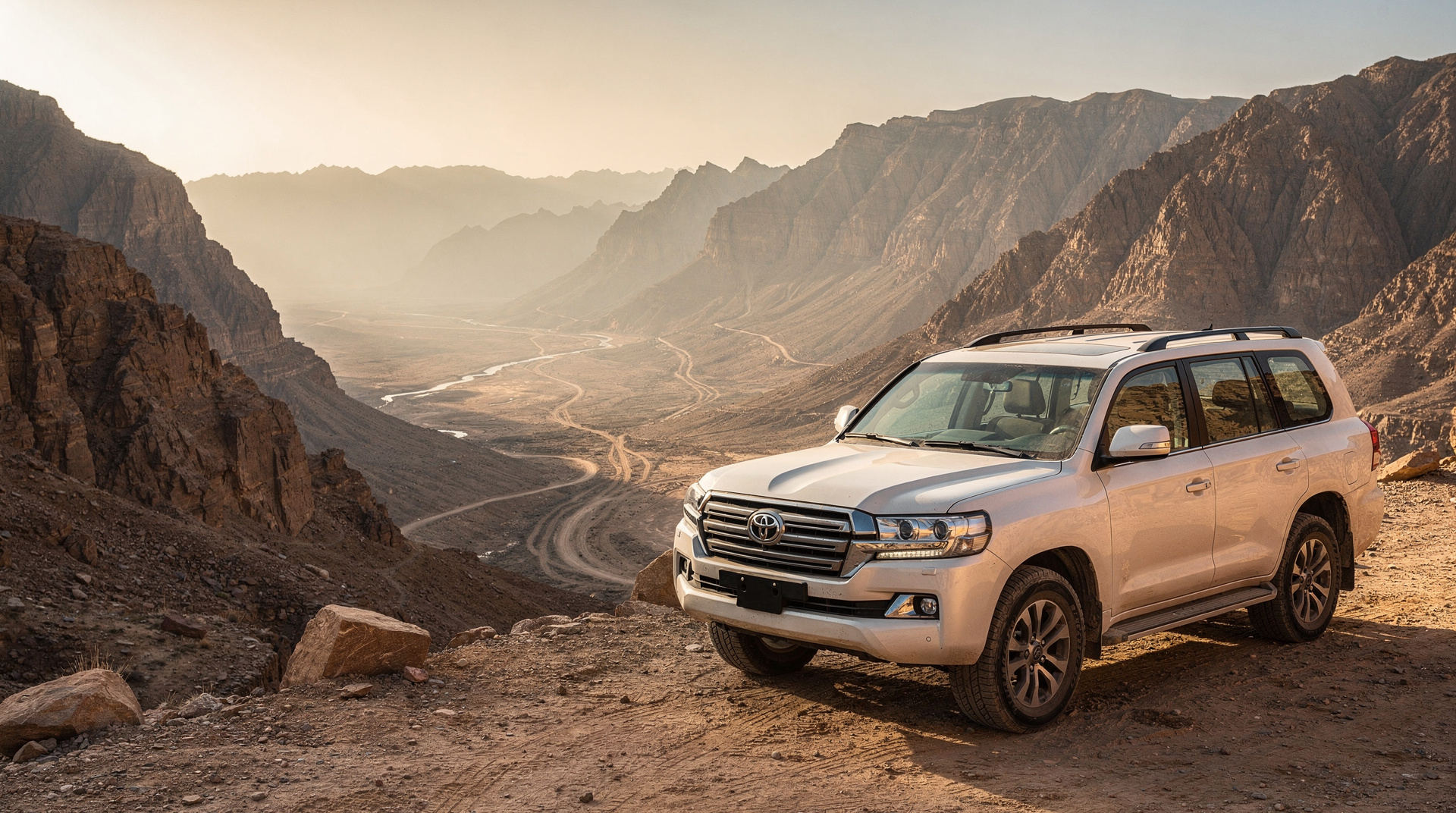
The main access road into Wadi Tiwi follows the valley floor from the coastal road. The initial few kilometres are paved and accessible by sedan, passing several small villages. However, the further sections — particularly anything beyond the village of Mibam — require a 4x4. The road deteriorates into a boulder-strewn track that demands ground clearance and off-road capability.
This is the key practical distinction between Wadi Tiwi and its neighbours: to see the best of it, you need the right vehicle.
The Route
Driving rather than hiking is the primary mode of exploration in Wadi Tiwi. The canyon road weaves through spectacular scenery with views of terraced farms, ancient falaj irrigation channels, and villages that have changed little in centuries. Stopping points along the way include several swimming pools fed by spring water.
The upper sections of the wadi, accessible to 4x4 vehicles, open into wider canyon country with increasingly dramatic limestone formations. Hiking is possible from any stopping point, though there are no formally marked trails — local knowledge is valuable here.
Difficulty
Lower than Wadi Shab for the driving portions. Higher than Wadi Shab if you are attempting serious hiking in the upper wadi, where the terrain is rougher and the route finding requires judgement.
Swimming
Excellent pools exist throughout the wadi, particularly in spring-fed sections that maintain water year-round. The pools in the mid-wadi section tend to be less crowded than Wadi Shab’s and equally clear. Some are deep enough for jumping from the adjacent rocks.
Crowds
Significantly fewer visitors than Wadi Shab. The 4x4 requirement naturally filters the crowd, and the wadi’s length means visitors disperse more widely. Even in peak season, it is possible to find pools in Wadi Tiwi with no other visitors.
Verdict for Wadi Tiwi
Best choice for: Visitors with a 4x4 who want a less-crowded experience, those interested in traditional village life and agricultural terracing as much as swimming, experienced wadi explorers looking for a more adventurous route.
Not ideal for: Those without a 4x4 (you will only see the initial accessible section), first-time wadi visitors who want clear trail marking, anyone on a tight schedule.
Wadi Bani Khalid: Family-Friendly Paradise
The Basics
Wadi Bani Khalid is located in the Sharqiyah region, roughly 200 kilometres southeast of Muscat — further from the capital than Wadi Shab or Wadi Tiwi, typically combined with a visit to the Wahiba Sands desert on a multi-day itinerary. Unlike its two counterparts, Wadi Bani Khalid maintains its famous turquoise pools year-round, fed by perennial springs that continue through even the driest months.
How to Get There
The approach road to Wadi Bani Khalid is paved all the way to the main visitor area. A sedan handles the drive without any issue. Parking is organised near the pool area, with a short walk to the main swimming spot.
The Route
The main attraction at Wadi Bani Khalid is immediately accessible from the parking area — a wide, shallow turquoise pool set against pale limestone cliffs, with palm trees providing shade around the edges. A path continues up the wadi beyond the main pool, reaching a series of further pools and eventually a gorge section that requires scrambling and swimming to navigate.
The lower accessible area is genuinely suitable for families with children of almost any age. The upper sections require more effort and are better suited to older children and adults.
Difficulty
The main pool area: minimal. Easy walk from the car park, no equipment required. Upper wadi sections: moderate, with some scrambling.
Swimming
The best year-round swimming of the three. Because Wadi Bani Khalid’s pools are spring-fed and permanent, the water is consistently available regardless of season. The clarity is excellent, and the colour — an almost improbable turquoise against white rock — is genuinely extraordinary.
Underwater life is more abundant here than at the other two wadis, with small fish visible in the pools. Bringing snorkel equipment is worthwhile.
Crowds
More structured than Wadi Shab but also more managed. There are basic facilities at the main pool area — changing rooms, small food stalls. The site feels organised rather than wild. This is both its strength (accessibility, facilities, safety) and its weakness (less adventurous, more touristy feel at the main pool).
Visiting early morning or late afternoon reduces the crowd noticeably. The further up the wadi you go, the more the visitors thin out.
Verdict for Wadi Bani Khalid
Best choice for: Families with children of any age, visitors combining with a Wahiba Sands desert trip, anyone visiting outside the October–April window who needs year-round water, those who want to swim without a long hike first.
Not ideal for: Adventurous hikers looking for a challenge, visitors who prioritise solitude, anyone who finds organised tourist facilities off-putting.
Side by Side: The Quick Comparison
Accessibility: All three accessible without 4x4 for the main experience — except Wadi Tiwi’s upper sections, which require one. Wadi Bani Khalid has the easiest car park to pool transition.
Distance from Muscat: Wadi Shab (130km/2hr), Wadi Tiwi (135km/2hr), Wadi Bani Khalid (200km/2.5hr).
Physical demand: Wadi Shab is the most physically demanding. Wadi Bani Khalid main area is the easiest. Wadi Tiwi is variable depending on how far you go.
Swimming quality: All three excellent. Wadi Bani Khalid wins for year-round availability. Wadi Shab wins for the dramatic cave experience.
Crowds: Wadi Shab most crowded. Wadi Tiwi least crowded. Wadi Bani Khalid in the middle but well-managed.
Best for families: Wadi Bani Khalid clearly.
Best single iconic experience: Wadi Shab (cave waterfall).
Best for adventurers with 4x4: Wadi Tiwi.
Can You Visit More Than One?
Yes, and many visitors do — particularly on multi-day itineraries heading south from Muscat toward Sur.
Day trip from Muscat: Choose Wadi Shab or Wadi Tiwi. Combining both in one day is possible but rushed. Wadi Bani Khalid is too far for a comfortable Muscat day trip.
Overnight itinerary (Muscat–Sur–Wahiba Sands): Leave Muscat early and visit Wadi Shab or Wadi Tiwi en route to Sur on day one. Return via Wahiba Sands and combine with Wadi Bani Khalid on day two. This classic eastern circuit is one of Oman’s best short road trips.
For everything you need to know about vehicle choice for this kind of itinerary, see our 4x4 vs sedan guide. For timing your visit around the best wadi conditions, the seasonal guide covers flash flood risk periods and optimal months.
Safety in Omani Wadis
Flash floods are the primary danger in Omani wadis. Rain in the mountains — sometimes invisible from the wadi floor — can generate walls of water that sweep through canyon systems with little warning. Never enter or camp in a wadi bed if there is any rain in the mountains or forecast in the coming hours. Check weather forecasts before any wadi visit, particularly in November–March when weather systems move through the Hajar Mountains.
Tell someone your planned route before entering a wadi. Mobile signal is unreliable or absent in most wadi interiors.
Wear appropriate footwear. Flip-flops and sandals cause most wadi injuries. Closed-toe shoes with grip are minimum; trail shoes are better for longer routes.
Stay hydrated. Even in winter, wadi hikes in full sun are demanding. Carry significantly more water than you think you will need.