Where to Stay in Salalah: Best Areas and Hotels for Khareef and Beyond
Where should I stay in Salalah?
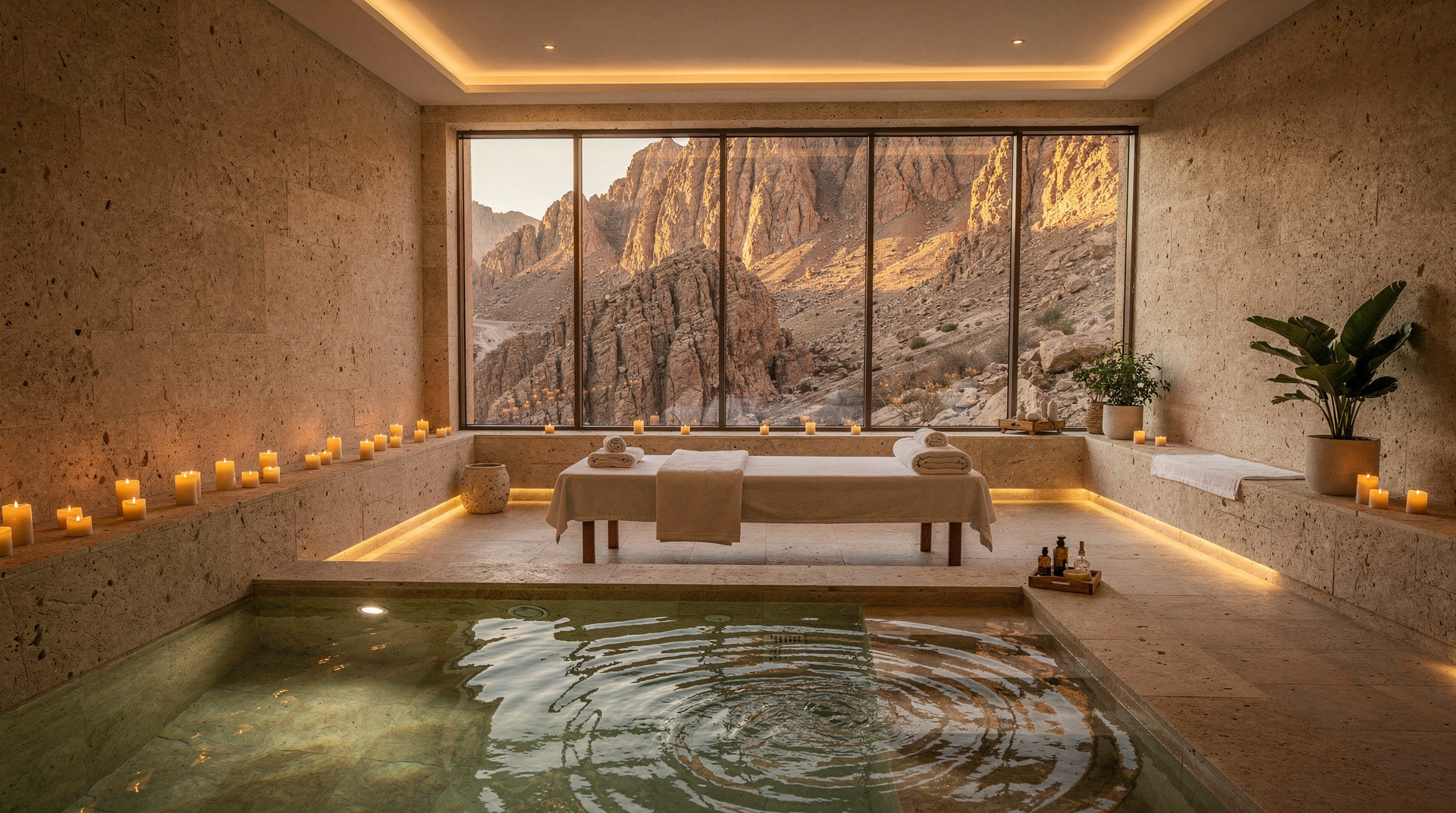
The Al Hafah and Al Dahariz beach zones south of the city centre are the best locations for most visitors, putting you between the tourist beaches and Salalah's restaurants. During Khareef, demand is extreme — book luxury resorts 3–4 months ahead. The Hilton Salalah Resort is the landmark choice.
Salalah: Oman’s Southern Secret
Salalah is unlike anywhere else in Arabia. While the rest of the Arabian Peninsula bakes under a merciless summer sun, this coastal city in Oman’s Dhofar governorate is transformed each July through September by the Indian Ocean monsoon — locally called the khareef — into something that looks frankly tropical: green hillsides, rushing waterfalls, cool mist, and lush mountain pastures where cattle graze. For Gulf residents who associate summer with airport queues to escape the heat, Salalah has become a revelation: a cool, green, culturally rich destination that is 4 hours by flight from almost anywhere in the Arab world.
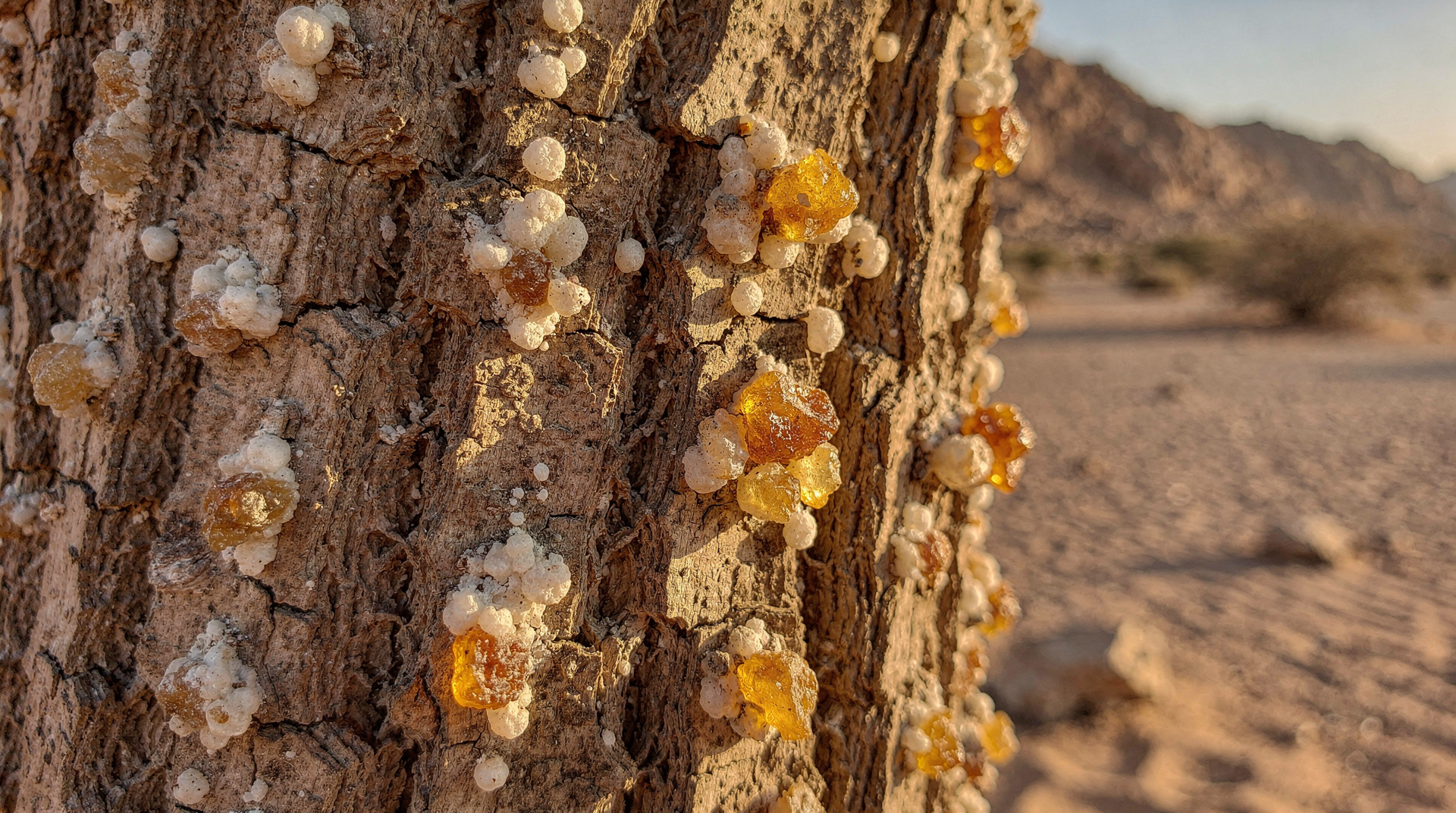
Outside the khareef, Salalah is a different pleasure: a warm, relatively quiet, historically important city where the frankincense trade shaped civilisations for millennia, and where beaches, wadis, and Dhofar mountain drives are explored in comfortable conditions. This guide tells you exactly where to stay for each season and each type of trip.
Understanding Salalah’s Geography
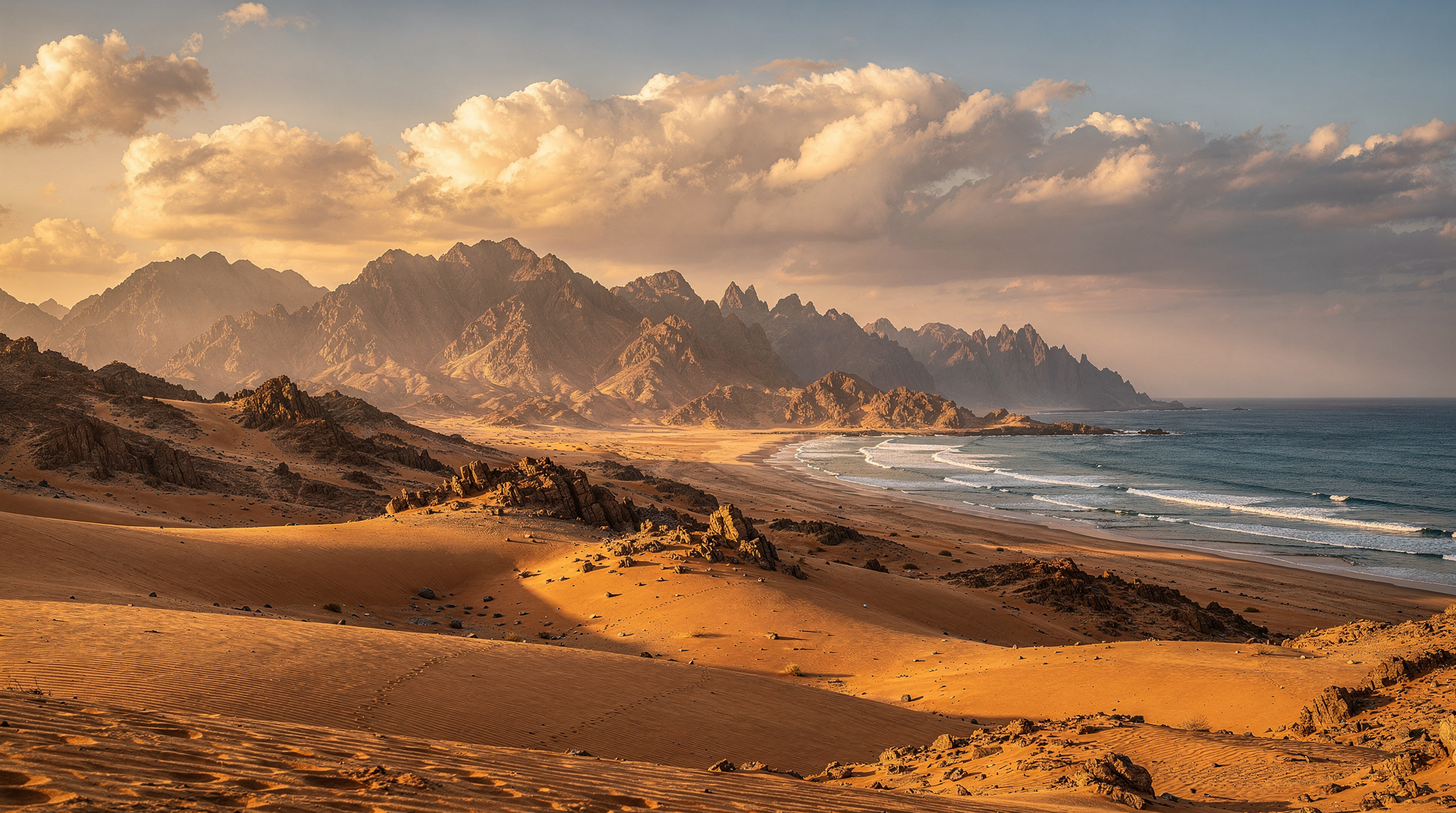
Salalah sits on a coastal plain between the Arabian Sea to the south and the Dhofar Mountains (Jebel Samhan and its ranges) to the north. The city itself is compact, with the main commercial areas clustered around the As Salam Street corridor and the older Haffa Quarter near the sea.
The tourist accommodation zone is largely concentrated in two beach areas: Al Hafah (the beach directly adjacent to the city’s western edge, fronted by the famous tourist souq and frankincense market) and Al Dahariz (3–5 km west of the city centre, where the major resort hotels sit in landscaped grounds above the beach). A third zone, Al Baleed (east of city centre, near the UNESCO-listed Al Baleed archaeological park), is less developed for tourism but benefits from proximity to the historic sites.
The drive between the far western resort zone and the east side of Salalah takes 20–25 minutes.
Khareef Season (July–September): What to Know Before Booking
The khareef utterly transforms the Salalah accommodation market. Between July 1st and September 30th, Salalah receives an estimated 2.5–3 million visitors — predominantly Gulf Arab families escaping summer heat — making it one of the most visited destinations in the Middle East by volume during this period.
What this means practically for booking:
Price spike: Hotels that charge OMR 45 in March charge OMR 130–200 for the same room in August. Luxury resorts that are accessible at OMR 100–120 in the shoulder season reach OMR 300–450 per night at peak khareef.
Availability: The major resort hotels (Hilton Salalah, Marriott, Rotana) sell out for khareef weekends by March–April. Book luxury properties for July–August at least 3–4 months ahead; some regulars book a full year in advance.
Traffic and crowds: Salalah experiences significant traffic congestion during khareef, particularly on weekends and at the viewpoints toward Ain Razat and Ittin. An Al Dahariz base (slightly outside the city core) saves considerable time.
Off-season opportunity: Visitors who can travel outside khareef — particularly October through December, when the landscape still holds some green from the monsoon and temperatures are very comfortable — find dramatically lower prices, empty beaches, and a far more relaxed atmosphere.
Zone 1: Al Dahariz — The Resort Strip (Best for Luxury and Families)
Al Dahariz is the premium address for Salalah tourism — a 5 km stretch of beach with white sand and calm, warm water, bookended by the major resort hotels. The beach itself is excellent: wider and cleaner than the city beaches, with consistent gentle surf from the Arabian Sea and safe swimming conditions.
The zone has limited independent restaurants and shops — most visitors staying here either dine at their resort or make taxi trips into the city (10–15 minutes). The trade-off is access to Salalah’s best pool and beach infrastructure.
Hilton Salalah Resort: The landmark hotel and the most recognisable address in the city. The Hilton occupies a prime beachfront position with extensive gardens, three pools, a tennis centre, multiple dining outlets (the Al Maha restaurant for Omani cuisine; Zam Zam for buffet; the Beach Bar for casual lunches), and the best beach access of any hotel in Salalah. Room rates in 2026: OMR 80–140 (off-season), OMR 200–380 (khareef peak). Breakfast included in most packages.
Marriott Salalah Resort: The main competitor to the Hilton, offering similar beach resort facilities with a slightly more contemporary design aesthetic. The Izkand Lounge is particularly popular for sunset cocktails (non-alcoholic) and mezze. Room rates in 2026: OMR 75–130 (off-season), OMR 190–350 (khareef). The kids’ club is very good for family stays.
Rotana Salalah Resort (Salalah Rotana): A sprawling property at the western end of Al Dahariz beach with an enormous pool complex. Known for its extensive all-inclusive packages popular with Gulf family travellers during khareef. Rates range from OMR 90–160 (off-season) to OMR 220–400 (khareef), often including meals.
Juweira Boutique Hotel: For those wanting boutique character rather than resort scale, Juweira sits directly above the Juweira Marina, with sea-view rooms, a rooftop restaurant (the best views from any Salalah hotel), and an intimate atmosphere. Rates from OMR 55–90 per night, making it exceptional value for the quality delivered.
Zone 2: Al Hafah — City Beach with Local Character
Al Hafah is Salalah’s older beach zone, directly adjoining the city and the famous Haffa Souq. The beach here is narrower and more urbanised than Al Dahariz, but staying in Al Hafah puts you within 5 minutes’ walk of the frankincense market, the traditional silver jewellery shops, the fish market, and the everyday city life that resort zone visitors miss.
The Al Hafah Hotel is the main accommodation option in this zone — a long-established property that has been refurbished in recent years. Rates from OMR 35–55 per night off-season; OMR 110–160 during khareef. The location is its primary selling point: everything in old Salalah is on foot.
Lulu Hypermarket area (Al Nadheer): The commercial zone around Lulu — Salalah’s main supermarket — has several mid-range hotels that offer urban convenience at lower prices than the beach zone. City Inn Salalah and Al Wadi Hotel are reliable options from OMR 22–38 per night.
Zone 3: Al Baleed — Historical Salalah
The Al Baleed district east of the city centre is home to the UNESCO-protected Land of Frankincense archaeological park, including the ruins of the ancient port of Sumhuram and the Museum of the Frankincense Land. It is the least-developed tourist zone but by far the most historically significant.
Park Inn by Radisson Salalah: The main hotel serving Al Baleed, with pleasant rooms, a rooftop pool, and walking distance to the archaeological park. Rates from OMR 40–65 (off-season), OMR 120–200 (khareef). A solid mid-range choice for those prioritising the frankincense history trail over beach resort facilities.
Crowne Plaza Salalah: Located between the city centre and Al Baleed, the Crowne Plaza is one of Salalah’s most business-oriented hotels, with consistently high standards and a large pool. From OMR 65–95 (off-season), OMR 170–280 (khareef).
The Mountains: Staying in the Jebel Samhan Area
For a khareef experience that goes beyond the beach resort formula, staying in the mountains above Salalah during July–September is extraordinary. The Dhofar Mountains turn lush green, waterfalls cascade from the limestone cliffs, and the air temperature drops to 18–22°C — extraordinary by Arabian summer standards.
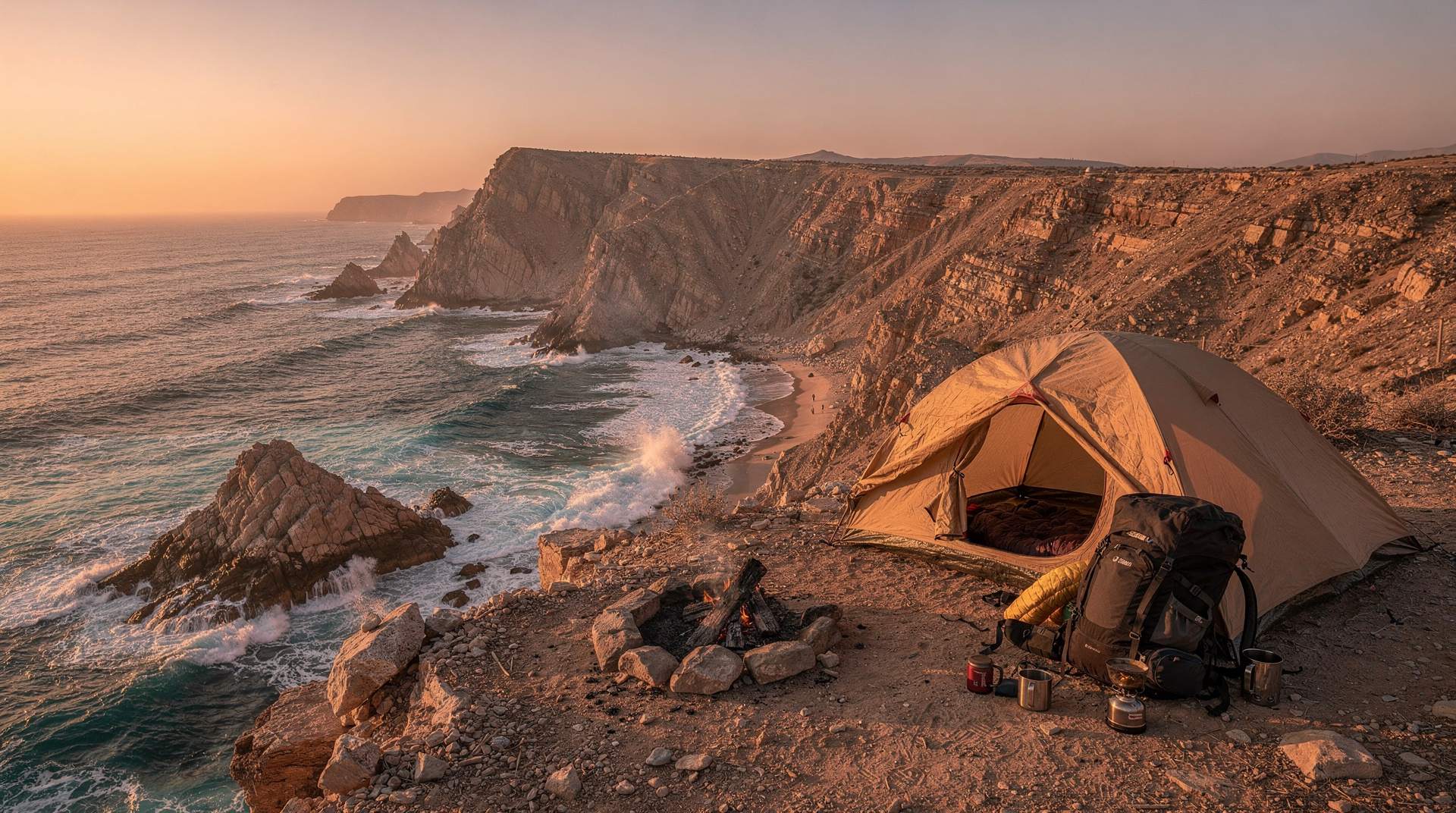
There are few established hotels in the mountains themselves, but several eco-lodge and glamping operations have emerged since 2022. Angsana Riyadh Mounts (a boutique operation 15 km north of Salalah) offers canvas lodge accommodation with mountain views from OMR 80–120 per night during khareef.
Alternative: Rent a mountain chalet or apartment via Airbnb in the Ittin or Jabal Al Qamar area. A fully equipped chalet sleeps 4–6 and costs OMR 150–250 per night during khareef — excellent value for families versus resort pricing.
Off-Season (October–June): The Underrated Alternative
October to December is an excellent time to visit Salalah that comparatively few international travellers have discovered. The landscape retains the greenery of the monsoon well into October, temperatures stabilise at 25–28°C, and hotel rates drop to their lowest of the year. Beaches are empty, the Al Baleed ruins are explored without crowds, and the famous Ain Razat spring (the freshwater oasis near the mountains) is at its most spectacular with the water table still recharged from khareef rains.
January through March sees some Salalah accommodation close for maintenance or drop to minimal staffing. The Hilton and Marriott remain operational year-round; smaller properties may have reduced facilities.
April through June approaches khareef humidity and is the least comfortable period climatically, though prices are low.
The best time to visit Oman guide covers Salalah seasonality in relation to the rest of the country in detail.
How to Get to Salalah
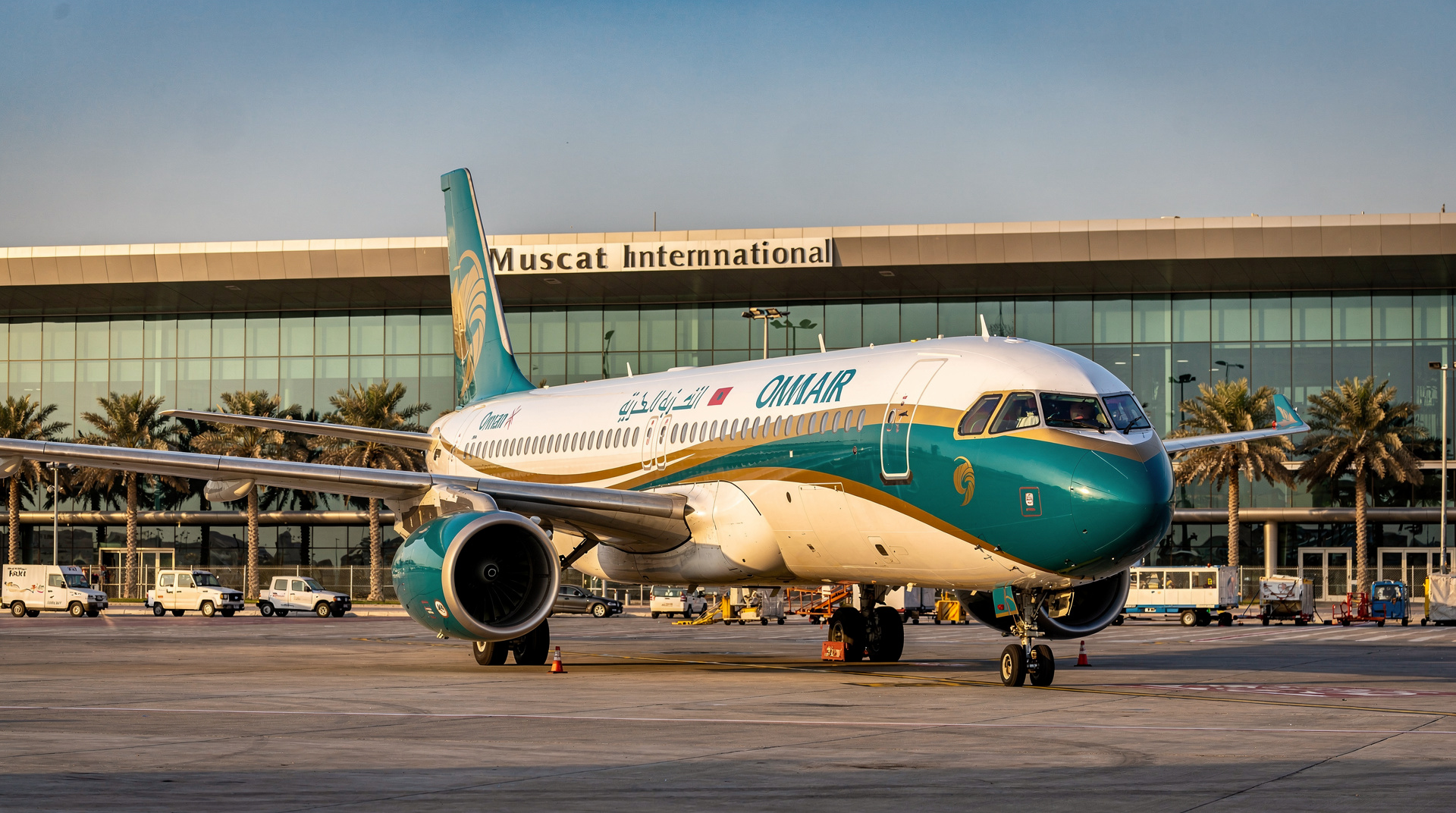
By air: Salalah Airport (SLL) receives direct flights from Muscat (55 minutes), Dubai, Abu Dhabi, Doha, and Riyadh. SalamAir and Oman Air operate the Muscat–Salalah route; see the domestic flights in Oman guide for current schedules and booking tips.
By road: The 1,050 km overland drive from Muscat takes 10–12 hours and is a genuine road adventure (covered in Oman’s scenic drives guide). Most overland travellers break the journey at Haima.
Airport transfers: Taxis from Salalah Airport to the Al Dahariz resort zone cost approximately OMR 5–7. Most major hotels offer shuttle services; confirm when booking.
What to Do Near Your Salalah Hotel
Near Al Dahariz resorts: The Thursday fish market at Mina Salalah port (7–10 am); Ain Razat freshwater spring (20 minutes by car); Wadi Darbat in the mountains (30 minutes) for waterfalls and grazing cattle during khareef.
Near Al Hafah: The frankincense souq immediately adjacent; Al Hafah Beach; the Al Baleed archaeological park (10 minutes by car); the Job’s Tomb (Nabi Ayoub) viewpoint at the edge of the Dhofar escarpment.
Guided experiences: A Salalah city, history, and nature tour is the most efficient introduction to the region’s remarkable diversity — ancient ruins, active frankincense groves, mountain viewpoints, and coastal landscapes all in one day.
The frankincense trail guide covers the region’s UNESCO sites in depth.
Salalah Hotels: 2026 Price Summary
| Hotel | Zone | Off-Season | Khareef Peak |
|---|---|---|---|
| Hilton Salalah Resort | Al Dahariz | OMR 80–140 | OMR 200–380 |
| Marriott Salalah Resort | Al Dahariz | OMR 75–130 | OMR 190–350 |
| Salalah Rotana Resort | Al Dahariz | OMR 90–160 | OMR 220–400 |
| Juweira Boutique Hotel | Marina | OMR 55–90 | OMR 140–210 |
| Crowne Plaza Salalah | City/Al Baleed | OMR 65–95 | OMR 170–280 |
| Park Inn by Radisson | Al Baleed | OMR 40–65 | OMR 120–200 |
| Al Hafah House | Al Hafah | OMR 35–55 | OMR 110–160 |
| City Inn Salalah | City Centre | OMR 22–38 | OMR 75–130 |
Frequently asked questions about where to stay in Salalah
When should I book a Salalah hotel for Khareef?
Book luxury and resort properties for July–August at least 3–4 months in advance — preferably by April. Khareef is the busiest tourism season in all of Oman, and the Hilton, Marriott, and Rotana consistently sell out for khareef weekends months ahead. For weekday stays or October visits, 4–6 weeks ahead is usually sufficient.
Is it worth staying outside Salalah in the mountains during Khareef?
Yes, especially for visitors seeking the most dramatic green-season experience. The Dhofar Mountains above Salalah during khareef are genuinely spectacular — lush grass, waterfalls, cool mist — and staying up there rather than at a beach resort puts you in the middle of it. Eco-lodges and chalets in the Ittin and Jabal Al Qamar areas offer this experience from around OMR 80–150 per night.
Which Salalah hotel is best for families?
The Salalah Rotana Resort is consistently praised for family facilities during khareef — the kids’ club is well-run, the pool complex is enormous, and all-inclusive packages simplify budgeting for families. The Marriott Salalah is a close second, with its own strong kids’ programme.
Can I find budget accommodation in Salalah during Khareef?
Budget accommodation in Salalah during khareef is genuinely scarce. The cheapest properties in the city centre (City Inn Salalah, Al Wadi Hotel) reach OMR 75–130 per night at peak — double or triple their off-season rates. Airbnb apartments in residential areas are often better value for groups of 4+ during this period, offering more space for similar pricing.
Is it better to stay near the beach or the city centre in Salalah?
For khareef visits: the beach resort zone (Al Dahariz) gives the best infrastructure but keeps you 10–15 minutes from city life. For historical exploration (frankincense trail, Al Baleed, Haffa Souq): Al Hafah or the city centre puts everything on foot. Most 5-7 night stays benefit from splitting between the two zones.
Are the Salalah resort pools heated?
No — pool heating is unnecessary in Salalah’s climate. Sea water temperatures stay above 26°C year-round. During khareef (July–September), the ambient air temperature is 18–24°C; some guests find the pool slightly cool at this time, though it is far more comfortable than pool temperatures in northern Oman at the same time of year.
What is the minimum stay required at Salalah hotels during Khareef?
During peak khareef (late July–mid-August), many Salalah hotels impose a 3–5 night minimum stay, particularly for weekend arrivals. Check hotel policies when booking. Booking directly with the hotel often allows more flexibility on minimum stay requirements than third-party platforms.