Camel Riding in Oman: From Wahiba Sands to the Coast
Where is the best place for camel riding in Oman?
Wahiba Sands (Sharqiyah Sands) is the classic location, offering short rides and multi-hour treks across spectacular red dunes near desert camps.
The Ship of the Desert in Its Natural Element
For thousands of years before the first tarmac road crossed an Arabian dune, the camel was the only reliable means of transport across Oman’s vast interior. These extraordinary animals — designed by evolution and refined by millennia of selective breeding to operate in conditions that kill most other large mammals — are woven into the fabric of Omani culture so thoroughly that the Arabic language contains more than one hundred distinct words relating to camels, their ages, and their characteristics.
Today, camel riding in Oman sits at an interesting intersection between heritage experience and adventure tourism. The animals are still genuinely working livestock in parts of the country. They still race on tracks outside Muscat and Nizwa. And in Wahiba Sands, where the deep red dunes of the Sharqiyah Desert meet the edge of the Empty Quarter, riding a camel through the landscape that shaped Omani identity for centuries remains one of the most singular experiences the country offers.
This guide covers the best locations for camel riding, what to expect on different types of rides, how to ensure the animals are well-treated, and how to combine camel experiences with the broader desert landscape of Oman’s interior.
Where to Ride Camels in Oman
Wahiba Sands (Sharqiyah Sands)
The Sharqiyah Sands — widely known by the older name Wahiba Sands — is the most compelling desert landscape in Oman for camel riding. The dunes here are genuine — some reaching 100 metres in height, coloured a deep reddish-orange that intensifies as the sun drops toward the horizon. The scale is sufficient that a camel ride carries you into a landscape where the horizon is nothing but dunes and sky.
Most camel rides in Wahiba Sands operate from the cluster of desert camps concentrated around the main access point at Al Wasil. Short rides of thirty to sixty minutes take you into the dunes immediately surrounding the camp. Longer half-day treks go deeper into the sand sea, reaching sections where the dunes become wilder and more complex, and where the silence is genuinely startling.
Full-day desert safari trips from Muscat to Wahiba Sands and Wadi Bani Khaled include a camel riding experience as part of a broader desert day that combines dune driving, swimming in the wadi, and traditional Omani lunch. This is the most practical way to experience both the desert and the oasis landscape in a single day from the capital.
Coastal Dune Experiences Near Muscat
Smaller camel operations exist closer to Muscat, particularly in the dune areas south of the city near Qurayat. These offer shorter, more accessible rides without the significant drive to Wahiba Sands. The landscape is less dramatic — these are coastal dunes rather than the deep desert — but for a brief camel experience combined with a beach visit, they serve well.
The experience here is typically a 20 to 30 minute ride along a coastal dune track with views over the Gulf of Oman. The operators are generally straightforward local businesses catering to the Muscat day-trip market.
Salalah Region Camel Herds
In the Dhofar region around Salalah, camel herds are a regular part of the roadside scenery, particularly in the inland areas toward the Yemeni border. Formal camel riding experiences are less developed here than in the north, but some of the desert camps in the area can arrange rides. The landscape during the Khareef season, when the surrounding hills are green and the camels graze on fresh pasture, is unlike anything in the northern desert.
The Interior Road Camps
Along the main highway between Muscat and Salalah, numerous small roadside camps and rest stops offer brief camel rides to travellers making the long drive. These are typically informal, cheap, and genuine — the camels are working animals owned by Bedouin families who have diversified into tourism without abandoning their traditional life.
What to Expect on a Camel Ride
The Mount and Dismount
The first thing to know about riding a camel is that getting on and off is the most unsettling part. Unlike a horse, which is mounted while standing, camels crouch to load and rise with the rider aboard. The rise is in two stages — first the back legs extend, pitching the rider sharply forward, then the front legs follow, lurching the rider back. Gripping the saddle horn firmly and leaning back during the front leg rise prevents the most common mistake of pitching forward over the camel’s neck.
The dismount reverses the process. Most first-time riders find this easier once they know what is coming.
The Walking Gait
At a walk, camels have a distinctive rolling gait that moves both legs on the same side simultaneously — unlike horses and most quadrupeds, which alternate. The result is a lateral rocking motion that most people find surprisingly comfortable once they relax into it. The key is not to resist the movement by bracing, but to allow the hips to follow the camel’s rhythm.
The seated height is considerable — typically two to two and a half metres from the ground. The view across a dune landscape from a camel’s back is genuinely different from the view on foot, and experienced desert travellers consistently say it is the correct height at which to appreciate the scale of the terrain.
Speed Options
Most tourist camel rides operate at a walk. A trotting camel is considerably faster but much more difficult to ride — the gait is a two-beat bounce that requires active posting to maintain without discomfort. Cantering camels can reach impressive speeds and are the domain of the racing camel world, not tourist experience. Expect to walk unless your guide offers and you are confident.
Camel Welfare: What to Look For
The wellbeing of riding camels varies significantly between operators. Several indicators help distinguish well-managed operations from those that are not.
A well-cared-for camel will have clear, bright eyes, a well-padded saddle with no visible sores on the hump or back, adequate food and water available between rides, and a gait that moves freely without signs of lameness. The animal should appear calm rather than visibly distressed.
Operations where camels show signs of malnourishment, have inadequate saddle padding, are ridden excessively without rest, or where handlers use harsh methods with sticks or ropes deserve to be avoided and, if the welfare concerns are serious, reported to the Oman Authority for Partnership for Development which oversees animal welfare regulations.
Asking a tour operator directly about their camel welfare standards and maximum daily ride hours is reasonable. Good operators welcome the question.
The Cultural Context of Camels in Oman
Understanding the cultural weight of the camel in Oman enriches the experience considerably beyond a simple ride. Camels were the economy of the Bedu for centuries — transport, food source (both milk and meat), trading capital, and measure of social status. A family’s camel herd was its wealth, and raiding other tribes’ herds was one of the primary forms of conflict in the pre-modern interior.
The Arabian camel (Camelus dromedarius) was domesticated roughly 4,000 years ago in the Arabian Peninsula, and Oman has developed distinctive breeds adapted to the local conditions. The Omani racing camel is a particular point of pride — lighter and faster than the heavy baggage breeds, capable of sustained speeds over distances that exhaust horses.
Camel racing remains a serious sport in Oman, with regular meetings at tracks near Muscat, Nizwa, and other towns. The races are typically held on cool winter mornings and are free to watch — the stands are full of enthusiastic locals, the commentary is in Arabic, and the atmosphere gives an insight into a sporting culture that has no direct parallel elsewhere.
Camel beauty contests — called Mazayen al-Ibl — are another cultural institution that will perplex first-time visitors and delight those who look deeper. Camels are judged on the length and shape of their neck, the size of their lips, the set of their ears, and dozens of other specific criteria. Prize camels of exceptional beauty command extraordinary prices.
Combining Camel Riding with Desert Activities
The richest desert experiences in Oman combine camel riding with other activities that together create a complete picture of the landscape.
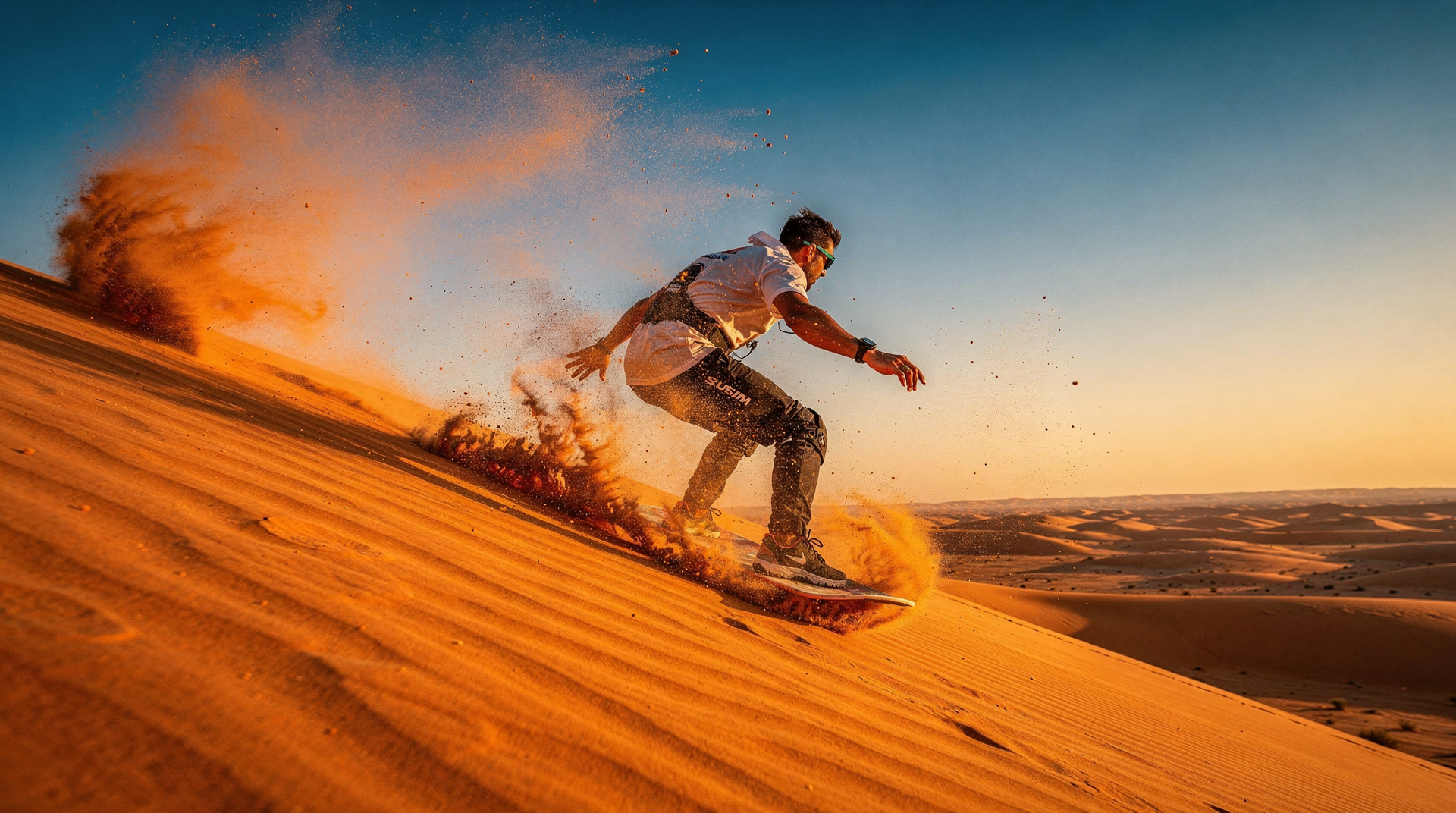
In Wahiba Sands, the combination of a dawn camel ride, a sandboarding session on the high dunes during the cooler morning hours, and a visit to the oasis at Wadi Bani Khaled in the afternoon covers the full range of desert experience in a single long day. The guide to sandboarding in Wahiba Sands covers the dune sport component in detail.
For those staying overnight in the desert — the strongly recommended approach for anyone with the time — the evening camel ride at sunset, followed by dinner around a fire and sleeping under stars, represents the Oman desert experience at its best. The guide to desert camping in Oman covers the full range of camp options from basic Bedouin-style to luxury tented experiences.
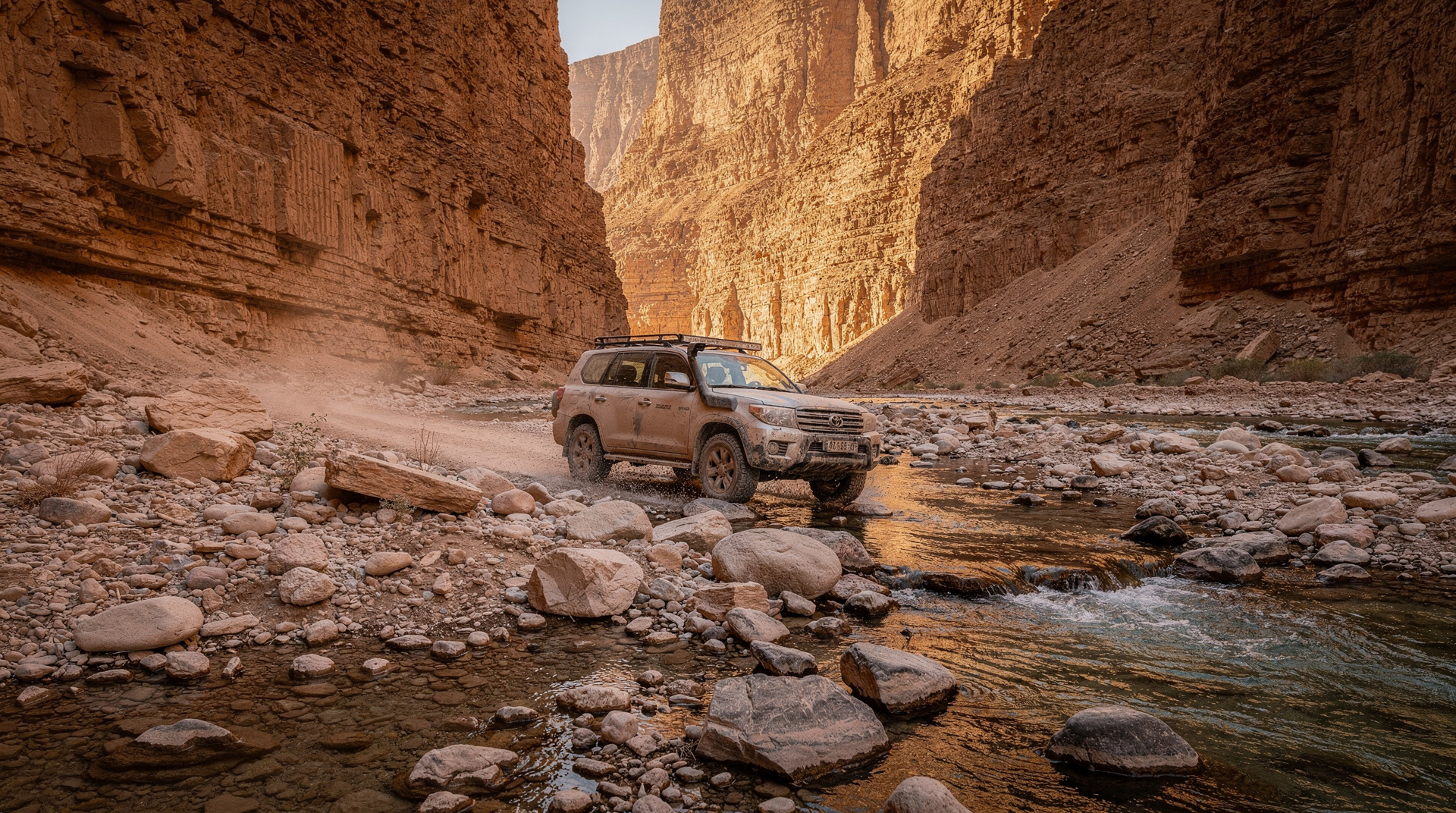
The inland road network connecting Wahiba Sands to the historic towns of the interior adds cultural depth to any desert itinerary. The guide to off-road driving in Wadi Bani Awf covers the spectacular mountain route that connects the desert interior to the Muscat coast through some of Oman’s most dramatic scenery.
Practical Information for Camel Riding
What to Wear
Loose, light clothing that covers legs and arms is ideal — both for sun protection and cultural appropriateness, and because the camel’s coarse fur can chafe exposed skin during longer rides. Closed shoes are strongly preferred over sandals. A hat with a brim and sunscreen are essential regardless of season.
Avoid loose-hanging jewellery or accessories that might catch on saddle hardware. Sunglasses with a retaining strap are useful since the height and occasional movement can dislodge them.
Health Considerations
Camel riding is genuinely accessible to most healthy adults and older children. There are no specific fitness requirements for short rides. Longer treks of two hours or more require reasonable core strength and balance to remain comfortable. Those with existing back problems should consult a physician before undertaking longer rides, as the constant lateral motion can aggravate some conditions.
Pregnant travellers and those with recent joint surgeries or significant mobility limitations should discuss with operators whether their specific situation is appropriate.
Costs
Short camel rides of 20 to 30 minutes at tourist locations near Muscat typically cost between 5 and 10 Omani Rials per person. Longer hour rides at desert camps run between 15 and 25 Rials. Multi-hour or sunset rides with a desert camp package are typically included in camp pricing rather than charged separately.
Bargaining at informal roadside operations is normal. The listed prices at established camps are generally fixed.
Frequently asked questions about Camel Riding in Oman: From Wahiba Sands to the Coast
Is camel riding safe for children?
Yes, for most ages. Children from approximately five years old can ride with an adult on the same camel or on a led camel at walking pace. Most operators have guidance on minimum ages and weight limits. Ensure children wear sun protection and remain hydrated. The height of a camel can feel alarming to young children at first — take time to let them adjust before the camel rises.
Do camels spit?
Camels can and do spit, but this behaviour in domesticated riding camels is far less common than popular culture suggests. A well-treated, calm camel does not typically spit at riders. The animals may make various loud vocal sounds — a sort of grumbling moan — which is entirely normal. Stressed or agitated camels are more likely to display defensive behaviour, which is another reason to observe welfare standards before choosing an operator.
How long can I ride a camel comfortably?
Most first-time riders find thirty to sixty minutes comfortable. Beyond that, the rocking gait can cause muscle fatigue in the hips and thighs of unaccustomed riders. Experienced riders can comfortably manage several hours. Building up duration across multiple rides is the approach of anyone wanting to attempt longer treks.
What is the best time of day for camel riding in the desert?
Sunrise and the hour before sunset are optimal — the light is extraordinary, the temperature is at its lowest point of the day, and the long shadows across the dunes reveal their full topographic complexity. Midday riding in summer should be avoided entirely; in winter months, it is manageable if uncomfortable. Most desert camps schedule camel activities in the morning before 10:00 or in the late afternoon from 16:00 onward.
Can I arrange a private multi-day camel trek in Oman?
Yes, though this requires advance planning. Several operators in Nizwa and the Wahiba Sands area offer customised multi-day treks with camping in the deep desert, following routes that were once Bedouin trading paths. These experiences are expensive relative to single-day rides but represent the most authentic and immersive engagement with the desert landscape. Inquire with Muscat-based adventure tour operators several months in advance for the best options.
Camel Milk, Meat, and Market Traditions
Camels in Oman are not solely tourist attractions. They are productive livestock whose milk, meat, and racing value contribute meaningfully to the economies of Bedouin families. Camel milk is a staple food in the interior — rich, slightly salty, and consumed fresh rather than pasteurised. It is available in some Muscat supermarkets and at roadside stalls near the interior towns, and trying a cup is one of those small cross-cultural experiences that stays in memory.
At the weekly livestock markets in Nizwa and other interior towns, camels are bought and sold alongside goats, cattle, and sheep. The camel section of these markets is the most animated — buyers examining teeth to assess age, walking the animals to check gait, inspecting the hump’s fullness as an indicator of health and condition. Prices for working camels range from a few hundred Rials for ordinary animals to thousands for prime racing stock.
The Nizwa Friday market includes a camel trading section that operates on the perimeter of the main goat market. Arriving by 08:00 gives the best access before the crowds thin out the most interesting animals. Photography of the market is generally welcomed, though asking before pointing a camera at traders or camels being examined is the appropriate approach.
Photography with Camels
Camels are among the most photogenic subjects in the desert landscape, and the Wahiba Sands provides conditions that professional photographers travel specifically to access. The late afternoon light on a camel silhouetted against a dune horizon, the close-up detail of the animal’s extraordinary face and the complexity of its double-layered coat, the scale provided by a rider atop a tall camel against an empty sky — all of these are images that require almost no technical skill to execute well when the light cooperates.
The most interesting camel photography happens in the working world rather than the tourist one. Approaching a Bedouin camel herder at a roadside stop and spending twenty minutes in conversation — using translation apps if necessary — while photographing the animals in their daily context produces images with more authenticity than the posed tourist-ride shots.
Dawn at a desert camp, when the camels used for rides are being loaded and prepared for the morning session, provides documentary opportunities that the organised ride itself does not. The handlers’ relationship with the animals, the practical equipment, and the desert light make this transitional moment worth being present for.