25 Things to Know Before Visiting Oman
What Nobody Tells You Until You Land
First-time visitors to Oman arrive with a bundle of Middle East assumptions that quickly get revised. Oman is not Dubai. It is not Saudi Arabia. It is not even particularly similar to its Gulf neighbours. The country operates on its own terms, with its own culture, pace, and logic — and knowing a few things in advance makes the difference between a confusing trip and a brilliant one.
Here are 25 things worth knowing before you go.
1. Oman Runs on a Friday-Saturday Weekend
The working week in Oman is Sunday to Thursday. Friday is the Islamic day of rest, and Saturday is the second day off. This means attractions, government offices, and many shops will have reduced hours or be closed on Fridays — particularly in the morning, when the Friday prayer takes place. Plan your mosque visits and souq shopping accordingly.
2. The Visa Is Easy
Most nationalities — including citizens of the UK, USA, EU countries, Australia, and many others — can obtain an e-visa online before travelling. The process is straightforward, takes a few minutes, and the visa is usually valid for 30 days. Some nationalities receive a visa on arrival. Check the Royal Oman Police website for your specific passport.
3. You Really Need a Car
Oman is a large country with spectacular scenery spread across vast distances. Public transport exists between major towns but it is not designed for independent travellers trying to reach wadis, mountain villages, or desert camps. Renting a car is the single biggest unlock for seeing the country properly. Roads are excellent, driving is on the right, and the cost of petrol is very low.
4. A 4WD Is Not Always Necessary — But Sometimes It Is
Many of Oman’s attractions are reachable on paved roads in a standard car. However, some wadi tracks, mountain passes, and desert approaches require a 4WD with decent clearance. If you plan to drive off-road into the Wahiba Sands or access remote mountain villages, a 4WD is essential. Research your specific destinations before booking a vehicle.
5. Modest Dress Is Expected (and Appreciated)
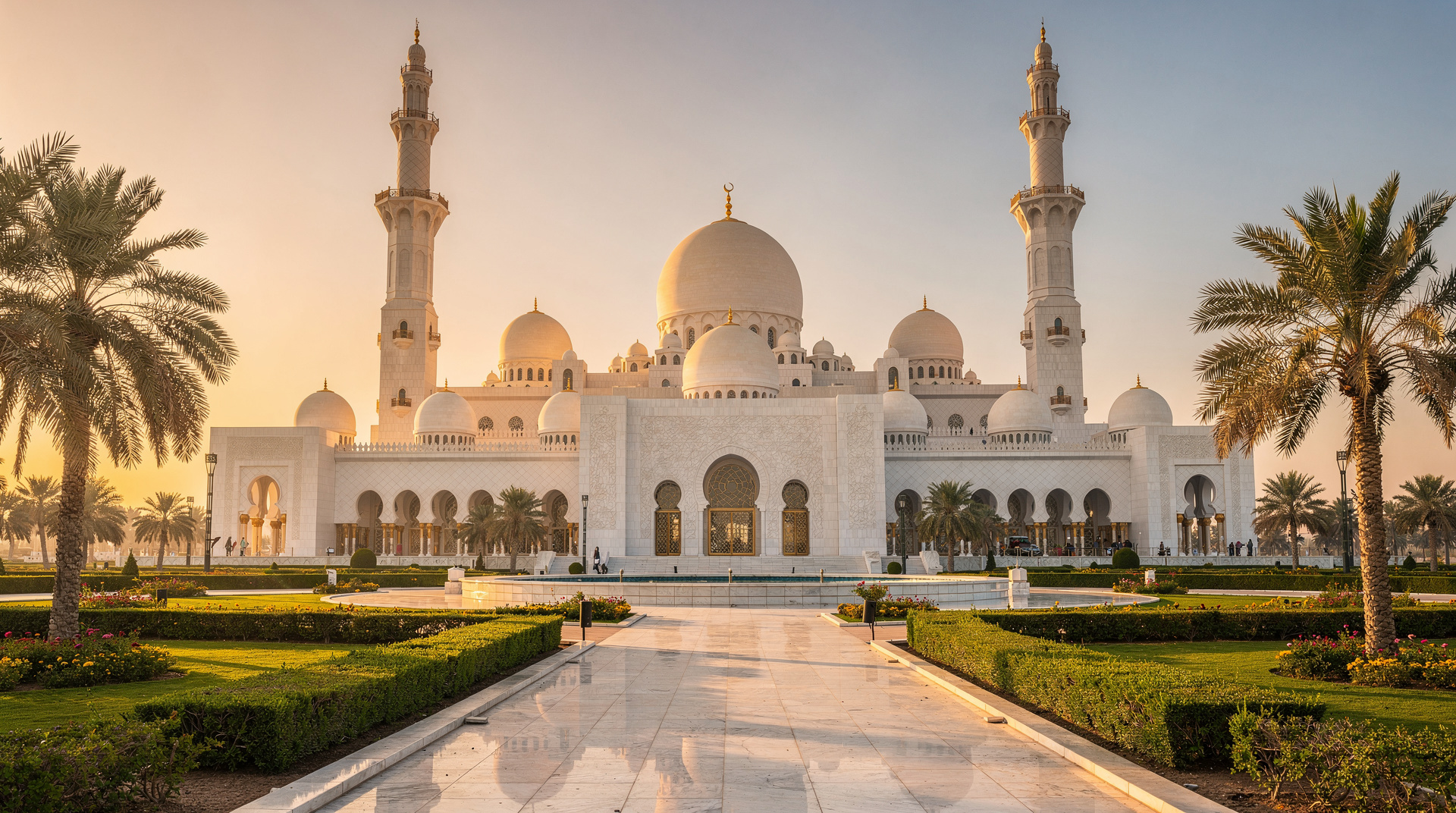
Oman is a conservative Muslim country. Covering your shoulders and knees in public places — souqs, old towns, mosques, government buildings — is not just expected, it is genuinely appreciated and makes a tangible difference to how you are received. Women should carry a scarf for mosque visits. Swimwear is fine at hotel pools and beaches but not appropriate in towns or villages.
6. Alcohol Is Available but Not Central
Unlike Saudi Arabia, Oman permits alcohol, but it is sold through licensed outlets — mainly hotel bars and some restaurants. You will not find alcohol in supermarkets or local restaurants. Drinking openly in public is not appropriate. If you enjoy a drink with dinner, you will find options in any major city — just do not expect it to be front and centre.
7. Omani Coffee Is Not What You Expect
Qahwa — traditional Omani coffee — is pale yellow-green, lightly roasted, flavoured with cardamom and rose water, and served in tiny cups without sugar. It is completely unlike espresso or filter coffee. Accepting a cup when offered is an important social gesture. It will be refilled until you signal you have had enough by tilting the cup slightly from side to side.
8. Frankincense Is Everywhere — in the Best Way
Oman is one of the world’s primary sources of frankincense, and the resin is burned in homes, hotels, mosques, and shops across the country. You will smell it constantly, and it becomes the scent of Oman very quickly. Buying raw frankincense resin at a souq and a small burner is one of the best souvenirs you can take home.
9. The Wadis Can Be Dangerous After Rain
Wadi swimming is one of the great pleasures of Oman. The pools of Wadi Shab or Wadi Bani Khalid are extraordinary. But wadis are flash flood zones. After heavy rain — even rain that fell far away in the mountains — a dry wadi bed can fill with fast-moving water in minutes. Never enter a wadi if there is any sign of rain or dark clouds upstream. Check weather forecasts and ask locally.
10. The Heat Is Real and Seasonal
From October to March, Oman is warm and manageable — perfect travel weather. From April onwards, temperatures climb quickly. June, July, and August in Muscat regularly exceed 40°C with high humidity. Travelling in the northern parts of Oman in summer is unpleasant and potentially dangerous if you are planning outdoor activities. Salalah in the south is the exception — the summer khareef season makes it actually pleasant.
11. Ramadan Changes Everything
Visiting during Ramadan is a fascinating cultural experience, but it requires adjustment. During daylight hours, eating, drinking, and smoking in public is not appropriate and is technically illegal. Many restaurants and cafes open only after sunset. Alcohol is much more restricted. The evenings, by contrast, come alive — families gather for iftar, the streets are busier, and there is a particular festive atmosphere after dark. Check dates before booking.
12. Tipping Is Not Mandatory but Always Welcome
Tipping is not embedded in Omani culture the way it is in the USA, but it is genuinely appreciated in hotels, restaurants, and by tour guides and drivers. A small amount — 10% of a restaurant bill, a few rials for a guide — is a kind gesture. There is no pressure or expectation, but it will be received warmly.
13. The Omani Rial Is Worth More Than You Think
1 Omani Rial equals approximately 2.6 US dollars — making it one of the world’s highest-valued currencies. This means prices that look small can actually be significant. An 8 OMR dinner is around 21 USD. A 15 OMR hotel room is closer to 39 USD. Keep the exchange rate in mind when budgeting and reading price tags.
14. Bargaining Is Expected in Souqs — But Not Aggressively
In traditional markets, particularly Muttrah Souq in Muscat, prices are negotiable. A friendly, relaxed approach works far better than aggressive haggling. Start lower than you are willing to pay, enjoy the back-and-forth, and accept that you probably will not get the same price as a local. Fixed-price shops exist alongside traditional merchants — look for price tags as a clue.
15. The Roads Through the Mountains Are Spectacular
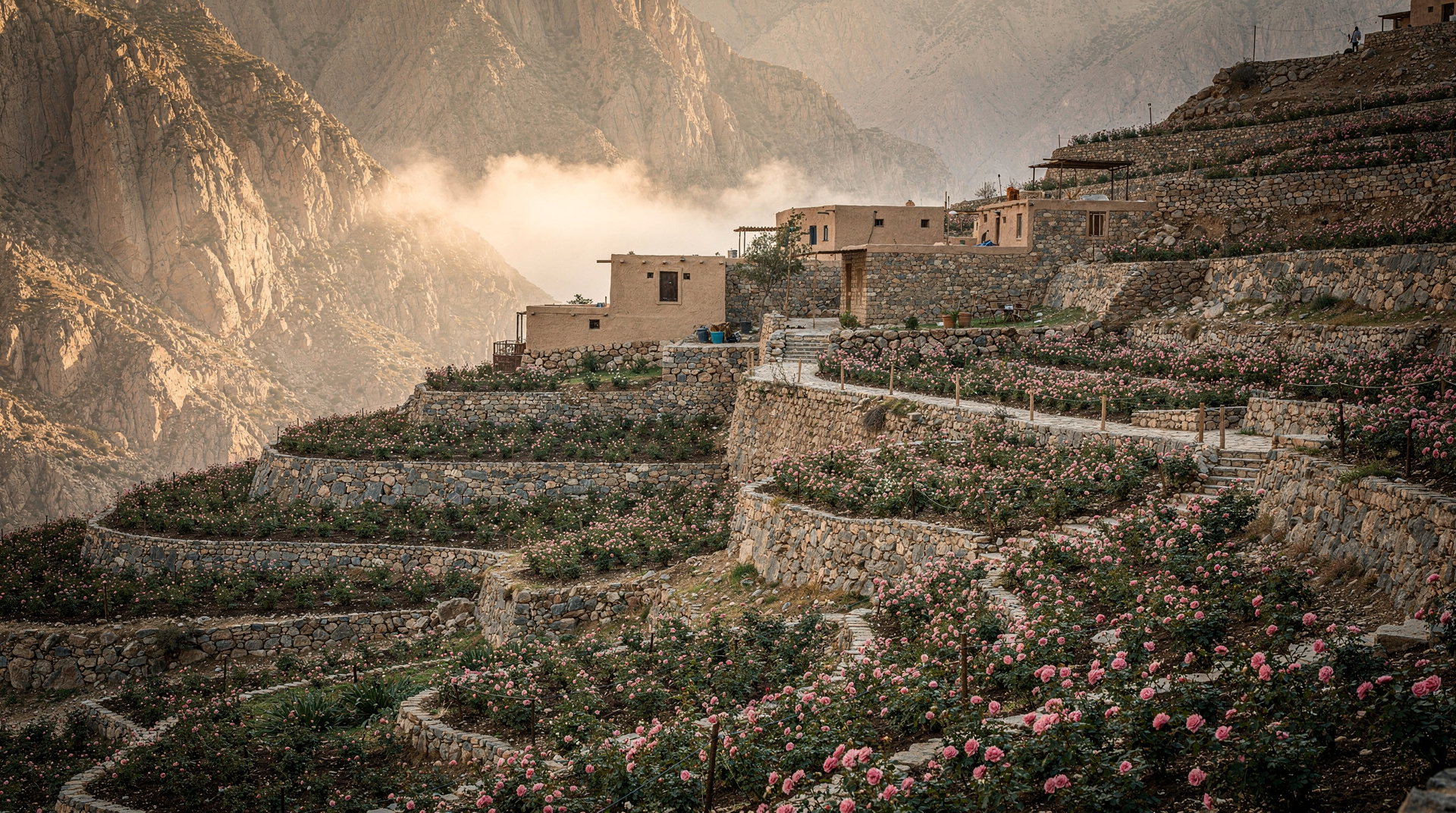
The Al Hajar mountain range cuts through northern Oman and the roads through it are genuinely among the most dramatic drives in the world. The route up to Jebel Akhdar involves hairpin bends and vertiginous drops. The road to Jebel Shams is similar. These drives are safe in a normal car (Jebel Akhdar requires a 4WD by law) but they require focus. Allow more time than you think you need.
16. Wildlife Encounters Are Surprisingly Common
Oman’s natural wealth includes sea turtles (the nesting beach at Ras al Jinz near Sur is extraordinary), dolphins that swim alongside boats in the morning, Arabian oryx in protected reserves, and migratory birds that pass through the country in spring and autumn. Mountain areas have Arabian leopard — extremely rarely seen — and mountain gazelle. Even driving remote roads at dusk, you are likely to spot wildlife.
17. Photography Is Generally Welcomed — With Exceptions
Photographing landscapes, architecture, and historic sites is generally fine. Always ask before photographing people, particularly women. Do not photograph government buildings, military installations, or airports. In traditional souqs, some vendors prefer not to be photographed — a smile and a raised camera to ask permission is always the right approach.
18. Internet and Mobile Coverage Is Good
Oman’s two main networks — Omantel and Ooredoo — provide solid 4G coverage across all major towns, roads, and tourist areas. Remote mountain areas and deep wadis may have limited signal. Buying a local SIM at the airport is inexpensive and gives you an Omani number and data plan for the duration of your trip. E-SIMs are increasingly available.
19. Solo Travel Is Very Safe
Oman consistently ranks as one of the safest countries in the world for travellers. Crime rates are extremely low, harassment of tourists is rare, and the general level of safety — walking alone at night, parking a car with valuables visible, leaving belongings at a beach — is remarkably good by any global standard. Both men and women can travel solo with confidence.
20. Local Food Is Worth Seeking Out
International food options exist across Oman, but local cuisine is where the real interest lies. Shuwa — slow-cooked spiced lamb wrapped in banana leaves and cooked underground — is extraordinary. Grilled fish with saffron rice at a harbour-side restaurant in Sur or Salalah is outstanding. Harees, a simple porridge of wheat and meat, is a staple comfort food. The influence of East African and Indian spice routes is evident in everything.
21. Prayer Times Mean Short Breaks in Service
Five times a day, businesses observe a brief prayer break. In practice, this usually means 15-20 minutes where a shop might close or a restaurant pause service. It is not an inconvenience once you know it is coming. Use the time to sit, look around, and absorb your surroundings.
22. Forts Are Worth More of Your Time Than You Give Them
Oman has hundreds of forts scattered across the country — they are so common that it is easy to start treating them as background. Resist this. The restored forts of Nizwa, Bahla, and Jabrin are extraordinary pieces of architecture and social history, housing armouries, food stores, water systems, and living quarters that tell the story of Omani society across centuries. Give yourself at least two hours at each major fort.
23. Camping Is Easy and Excellent
Free camping is legal on most of Oman’s public land, and the country’s geography — wide open desert, dramatic mountain plateaus, isolated beaches — makes it ideal for it. Bringing a tent and sleeping bag opens up experiences that no hotel can replicate. Desert camps in the Wahiba Sands range from basic to luxurious, but wild camping between the dunes under a completely black sky is something else entirely.
24. Sunsets and Sunrises Deserve to Be Planned For
The light in Oman is spectacular — the combination of dust, sea air, and the particular geography of the Arabian Peninsula creates golden hours of extraordinary quality. Sunset at Jebel Shams, sunrise over the Wahiba Sands, the evening light falling across Muttrah Corniche — these moments are the kind that travel photographs are made of. Build them deliberately into your plans rather than hoping to catch them by accident.
25. Oman Gets Under Your Skin
The last and most important thing to know is that Oman tends to stay with people. Travellers who visit for a week often find themselves researching how to go back for longer. The combination of dramatic landscapes, genuine cultural depth, safety, warmth, and the particular quietness of a country that has not yet been worn smooth by mass tourism creates something that is genuinely hard to find elsewhere. Go with open expectations, and you will almost certainly leave wanting more.