Sur — Oman's Historic Port City & Dhow-Building Capital
Sur is Oman's great maritime city — home to the last working dhow shipyard, a beautiful lagoon, and the gateway to Ras Al Jinz turtle reserve.
Quick facts
- Best time to visit
- October – April
- Days needed
- 1–2 days
- Getting there
- 3 hrs from Muscat on Highway 17
- Budget per day
- OMR 20–40
Oman’s Great Maritime City
Sur has salt in its DNA. For over a thousand years, this city at Oman’s northeastern tip launched wooden ships into the Arabian Sea and Indian Ocean, trading along routes that reached the Swahili coast of East Africa, the ports of the Indian subcontinent, and the islands of Southeast Asia. The Omani maritime empire was built on dhows — those elegantly curved wooden vessels that are still built here by hand — and Sur was the city that built them.
Today Sur is a quiet provincial capital with a population of around 90,000, a gentle corniche that curves around a tidal creek, and a working dhow shipyard that is one of the last places on earth where traditional wooden ocean-going vessels are still constructed using centuries-old techniques. It is not a cosmopolitan city, not a luxury destination, and not heavily touristed outside of Omani families on holiday. That, combined with its role as the eastern coast’s most important town, makes it exactly the kind of place that rewards unhurried travel.
Sur serves as the primary base for visiting Ras Al Jinz Turtle Reserve (45 kilometres to the southeast), and the logical overnight stop on any Muscat-to-Sur-Ras Al Jinz circuit. Wadi Shab and Bimmah Sinkhole, 100 kilometres to the northwest on the same coastal highway, complete the eastern coast’s core experiences.
Getting to Sur
Sur is connected to Muscat by Highway 17, which follows the eastern coastline through a string of fishing villages, mountain passes, and coastal flats. The distance is approximately 330 kilometres and the drive takes around three hours in normal traffic.
The road itself is part of the experience. After Quriyat (60km from Muscat), the highway climbs into a dramatic coastal mountain section where limestone headlands drop directly to the sea and fishing villages cluster in protected coves. This stretch, between Quriyat and Bimah, is some of the finest coastal driving in Oman and should not be rushed.
Public buses run between Muscat (Al Wadha terminal) and Sur with several departures per day. The journey takes three to three and a half hours and costs around OMR 3–4. The Sur bus station is on the western edge of town, a short taxi ride from the corniche.
For those combining Sur with Ras Al Jinz, a guided tour from Muscat covers the logistics efficiently. This adventure tour to Ras Al Jinz from Muscat passes through Sur and includes the turtle reserve visit — a good option for travellers without a rental car.
Sur’s Dhow Shipyard: Al Barakah
The Al Barakah dhow shipyard on Sur’s southern corniche is the city’s defining attraction and one of Oman’s most authentic cultural experiences. Unlike many heritage sites, this is not a reconstruction or a living museum — it is a functioning shipyard where craftsmen build full-sized wooden vessels using techniques passed down across generations, working without power tools for the hull shaping and relying on a deep knowledge of wood grain, hull dynamics, and traditional fastening methods.
The yard operates six days a week (closed Friday mornings) and welcomes visitors, though there is no formal tour structure. You simply walk in and watch. The craftsmen — many of them from a small number of Sur families that have worked in the trade for generations — work at their own rhythm and are accustomed to curious visitors. Photographs are welcomed. A donation to the yard’s small charitable fund (a box near the entrance gate, OMR 1–2) is appreciated but not required.
Dhows at Al Barakah range from small coastal fishing vessels (batil) to large ocean-going vessels (baghla) that can take eighteen months to two years to complete. The yard typically has two to four hulls at various stages of construction at any given time. The smells of fresh-cut timber, linseed oil, and sealant are immediately distinctive.
The best time to visit is mid-morning (9–11am) when the entire workforce is active and the angle of the sun illuminates the curved hull forms at their most dramatic.
Sur Corniche and the Ayjah Watchtower
Sur’s corniche curves around the Al Ayjah creek, a shallow tidal lagoon that separates the main town from the village of Ayjah across the water. The waterfront is Sur at its most relaxed — local families walk here in the early evenings, children fish from the breakwater rocks, and the old watchtower on the Ayjah side reflects in the glassy water at high tide.
The Al Ayjah watchtower, a short walk or 2-riyal taxi ride across the new bridge, is a well-preserved example of the coastal defensive towers that once protected Omani harbours from Portuguese and later East African pirate raids. Climb the interior staircase (watch your head on the low doorways) for a view across the creek and the old town rooftops. Entry is free.
The Maritime Museum, in the centre of the old town on Al Salam Street, traces Sur’s seafaring history with an excellent collection of navigational instruments, historical maps, and models of traditional vessels. The star exhibit is a full-scale replica of the Sohar, the vessel that recreated a legendary Omani voyage to China in 1980. Entry costs OMR 1 in 2026.
Fort Sunaysilah
Sur’s main fort, Sunaysilah, dominates the town from a low hill and is in excellent restoration condition following works completed in 2018. The fort dates primarily from the seventeenth century and served both military and administrative functions through the colonial and post-colonial periods.
The interior contains a museum of local history, weapons, and documents relating to Sur’s maritime role. The ramparts offer the best elevated view of the town and the creek below. Entry is OMR 1; opening hours are 9am–4pm Saturday to Thursday, 8am–11am Friday.
Unlike the famous forts of Nizwa and Bahla, Sunaysilah attracts relatively few foreign visitors, which means you can often have it almost to yourself — a significant advantage for photography and for absorbing the atmosphere without distraction.
Where to Stay in Sur
Sur’s accommodation options have expanded meaningfully in recent years as eastern coast tourism has grown, though the city remains modest compared to Muscat.
The Sur Plaza Hotel is the city’s most established hotel, with a swimming pool, a reasonable restaurant serving Omani and international dishes, and clean comfortable rooms from OMR 35–55 per night in 2026. Its location on the northern edge of town is a ten-minute walk from the corniche.
The Ras Al Jinz Turtle Reserve (45km away) also offers guesthouse rooms and camping within the reserve itself — a compelling option for those prioritising the turtle experience, as it eliminates the 45-minute night transfer that day-trip visitors require. Rates at the reserve guesthouse run OMR 50–80 per room in 2026.
For budget travellers, several small guesthouses in the Sur town centre offer rooms from OMR 15–25. The Al Fanar Hotel on the corniche road is a reliable option with basic but clean facilities and a central location.
Eating in Sur
Sur’s restaurant scene reflects its character — unpretentious, locally focused, and built around the fishing culture that has sustained the city for centuries.
Bin Ateeq restaurant on the corniche road is a local institution, serving traditional Omani rice dishes (harees, kabuli), grilled fresh fish, and the sweetened milk tea that Suriyeen families drink by the litre. Meals cost OMR 2–4 and the dining room is frequented almost exclusively by locals — a reliable sign of quality. No alcohol is served (Sur has no licensed premises).
The fish market at the northern end of the corniche opens daily from around 6am and is at its most active between 7 and 9am as the night’s catch is brought in, auctioned, and cleaned. Even if you are not buying, watching the auction is a vivid introduction to Sur’s identity as a fishing city. Vendors sell fresh fish by the kilo directly to the public from OMR 2 per kilo for smaller species.
Al Maha restaurant (near the Sunaysilah Fort) serves a generous set lunch for OMR 2.5 that typically includes rice, curry, fresh bread, and a salad — popular with construction workers and local government staff, which is the best endorsement possible.
Sur as Eastern Oman’s Gateway City
Sur’s geographical position at the eastern extremity of the Al Hajar range makes it the natural hub for the Ash-Sharqiyah region. Within comfortable driving distance are:
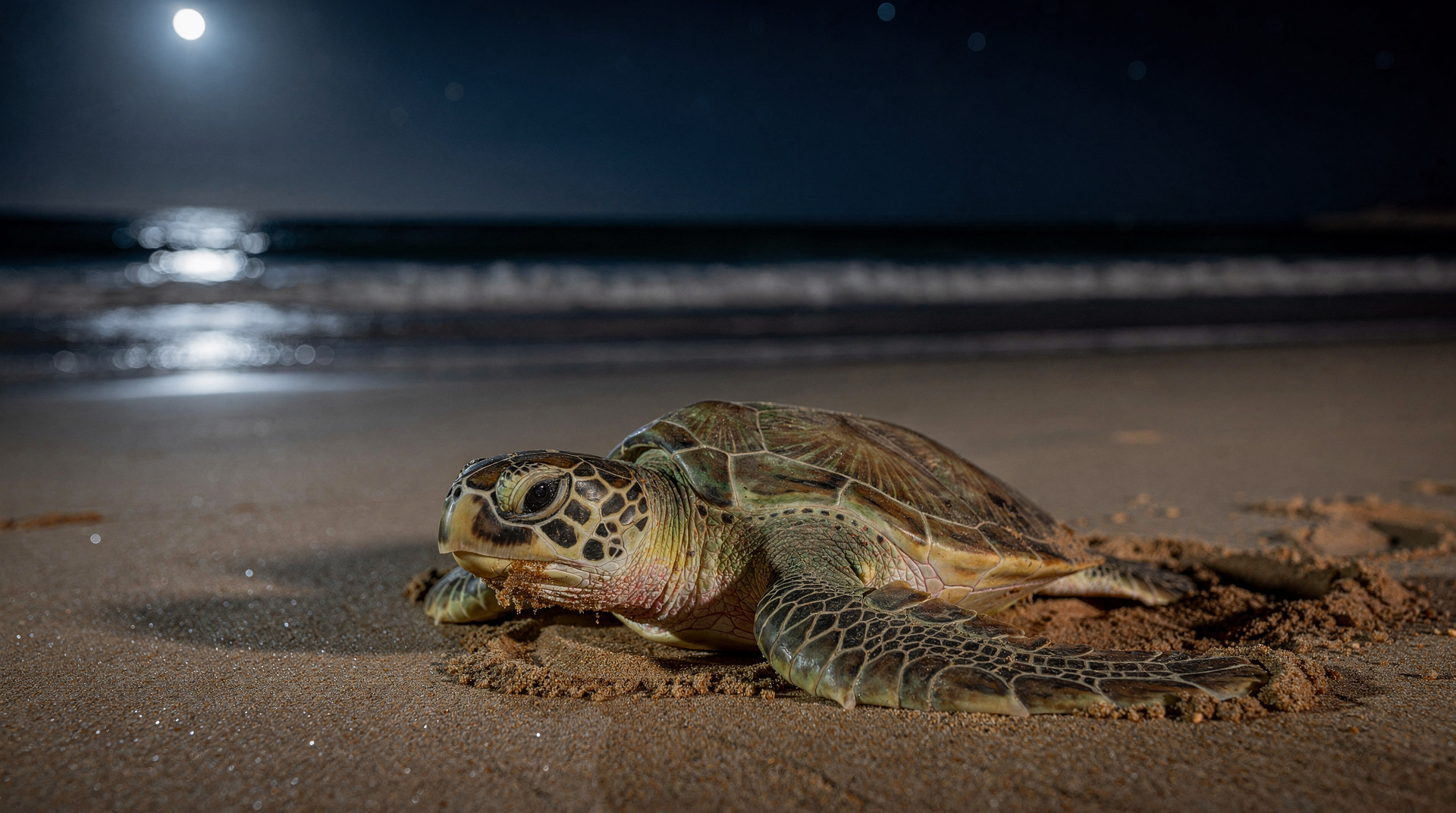
Ras Al Jinz Turtle Reserve (45km south), where green turtles nest year-round and night tours allow visitors to watch females emerge from the sea. See the dedicated Ras Al Jinz guide for full details.
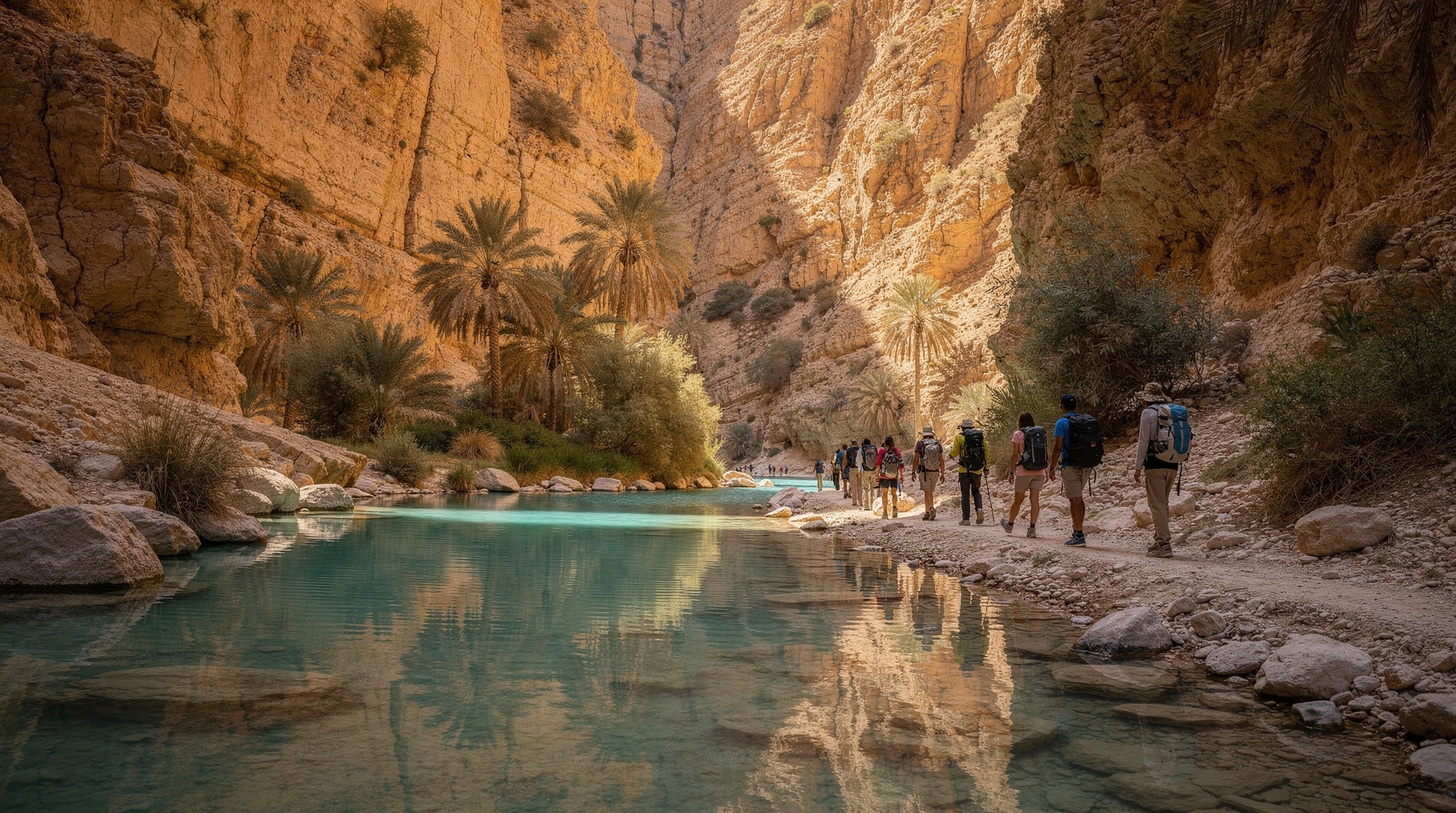
Wadi Shab (100km northwest) and Bimmah Sinkhole (115km northwest) — Oman’s most iconic wadi swimming experience, covered in detail in the Wadi Shab guide.
The Wahiba Sands (Al Sharqiyah Sands), accessible via the inland road from Ibra, offer a classic desert camp experience one to two hours from Sur. The Ash-Sharqiyah region guide covers the full circuit.
The abandoned village of Qalhat, 25 kilometres north of Sur on the coastal highway, contains the ruins of a medieval Omani city and the tomb of Bibi Maryam — a fourteenth-century structure cited by Marco Polo and still standing. Entry is free; the UNESCO nomination process is ongoing as of 2026.
Practical Information for 2026
Fuel: Several petrol stations throughout Sur, including a 24-hour station on the main highway near the bus station.
ATM: Multiple banks with ATMs on Al Salam Street in the town centre. Bank Muscat and Bank Dhofar both have branches here.
Hospital: Sur Hospital on the northern edge of town provides emergency services.
Mobile signal: Excellent throughout Sur and along the main coastal highway.
Modest dress: Sur is a conservative community. Beachwear is not appropriate in town. Shoulders and knees should be covered in the markets, fort, and restaurants.
Frequently asked questions about Sur — Oman’s Historic Port City & Dhow-Building Capital
Is Sur worth visiting for more than one night?
Yes, for travellers who are not rushing. One full day covers the dhow yard, the fort, the corniche, and a sunset walk — but spending a second night allows you to make the 45-minute drive to Ras Al Jinz for the night turtle tour without breaking the eastern coast circuit. Combining Sur with Wadi Shab (morning arrival from Muscat), Sur (afternoon and evening), and Ras Al Jinz (next morning’s turtle tour before returning to Muscat) makes a superb two-night eastern Oman circuit.
Can I visit the Al Barakah dhow shipyard without a guide?
Yes — the yard is open to independent visitors and no guide is required. Simply walk in through the main gate during working hours (Saturday to Thursday, approximately 8am–5pm, closed Friday mornings). The craftsmen work continuously and are accustomed to visitors. A basic Arabic greeting (marhaba, or as-salamu alaykum) goes a long way. Photography is permitted. A small donation to the yard’s charitable collection box is a respectful gesture.
How far is Sur from Ras Al Jinz Turtle Reserve?
Ras Al Jinz is approximately 45 kilometres southeast of Sur, a forty-five-minute drive on a good paved road. Most travellers staying in Sur make this journey in the late evening (around 9–10pm) for the night turtle nesting tour, which begins at 9pm at the reserve. The drive back to Sur takes the same time. Alternatively, stay at the reserve’s guesthouse and avoid the night driving altogether.
What is the best thing to do in Sur?
The Al Barakah dhow shipyard is Sur’s most unique attraction — the only working traditional dhow yard of its kind in Oman. After the yard, walk the corniche to the Al Ayjah watchtower in the late afternoon, when the light turns the water golden and the fort reflects in the creek. Finish with dinner at Bin Ateeq restaurant and a walk along the lit corniche after dark. This sequence captures Sur at its most characteristic.
Is Sur suitable as a base for exploring eastern Oman?
Sur is an excellent base for a two-to-three day eastern Oman circuit. Its central location on the eastern coast places it within easy reach of Wadi Shab and Bimmah Sinkhole (ninety minutes northwest), Ras Al Jinz (forty-five minutes southeast), and the Wahiba Sands (two hours inland). The town has sufficient accommodation, restaurants, fuel, and services to support independent travel without needing to carry large supplies.
Are there beaches near Sur?
Yes — Sur’s own beach on the eastern side of the headland is a long crescent of pale sand where local families picnic on weekends. It is not developed for tourism and has no facilities, but is clean and appealing. More impressive is Ras Al Hadd beach (20km from Sur), a wild stretch of coast adjacent to the turtle reserve where beachcombing and swimming are possible outside turtle nesting areas. The water on this part of the Arabian Sea coast is cleaner and calmer than the Muscat coast.